


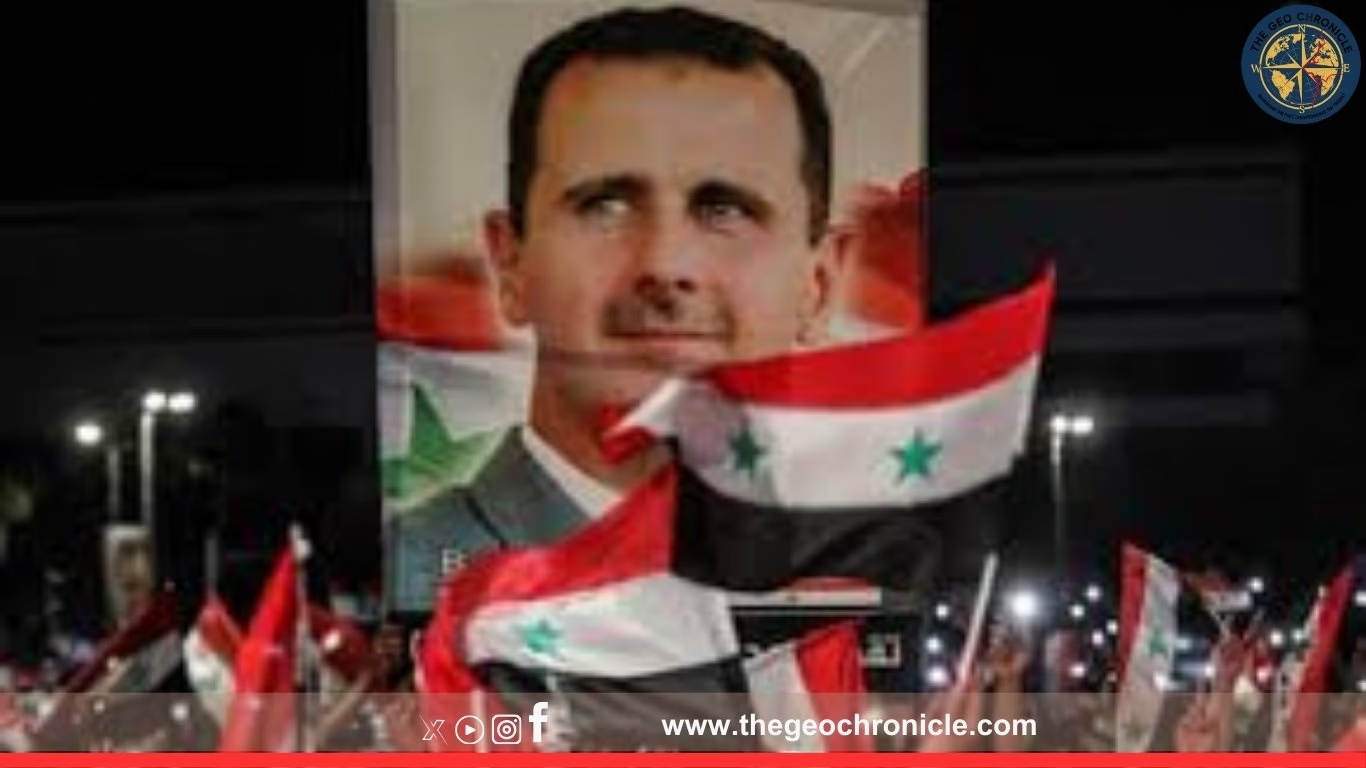
The Rise and Fall of a Dynasty
For over five decades, the Assad family ruled Syria with an iron grip. Beginning with Hafez al-Assad’s coup in 1971 and continuing under his son Bashar al-Assad from 2000, the regime promised modernization but delivered authoritarianism, repression, and ultimately, civil war. Bashar al-Assad’s leadership, once hailed as a new era of reform, devolved into one of the most brutal chapters in Middle Eastern history. The final collapse of his regime in December 2024 marked the end of a dynasty and the beginning of a new, uncertain chapter for Syria.
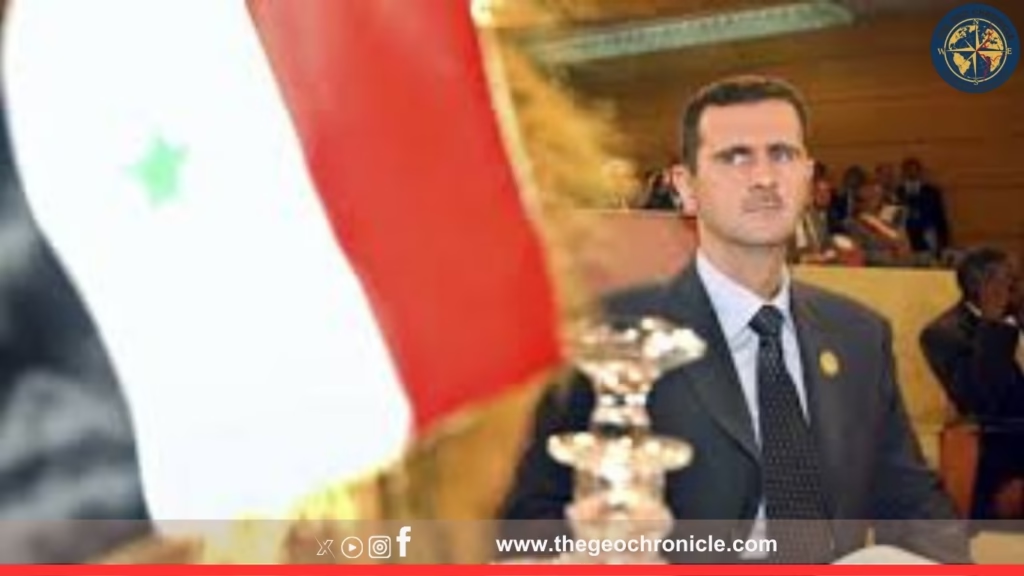
The Early Years: Reform Promises and Authoritarian Continuity
When Bashar al-Assad assumed power in 2000 following the death of his father, many Syrians hoped for change. Educated in London and trained as an ophthalmologist, Bashar was seen as a modernizer. His early reforms included limited internet access, economic liberalization, and promises of political openness.
However, these reforms were short-lived. By 2001, dissent was crushed, opposition figures jailed, and media censored. The regime maintained tight control through the Ba’ath Party, secret police, and a vast surveillance apparatus. The illusion of reform faded, replaced by the familiar tactics of repression.
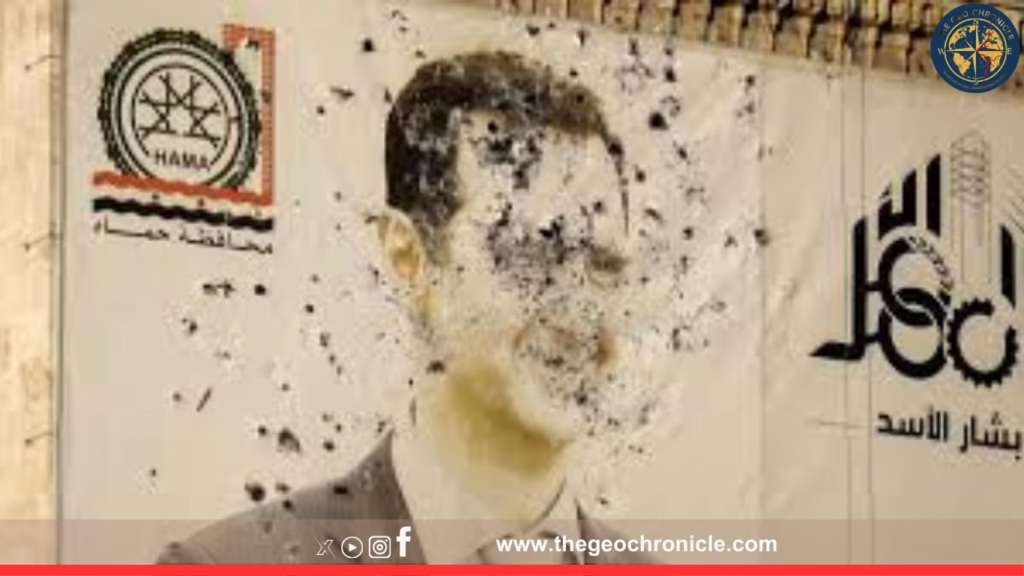
2011: The Spark of Revolution
The Arab Spring reached Syria in March 2011, when peaceful protests erupted in Daraa demanding democratic reforms. Assad’s response was swift and brutal—security forces opened fire on demonstrators, triggering nationwide unrest. The regime deployed tanks, snipers, and mass arrests to suppress dissent.
This crackdown ignited a full-scale civil war. Rebel factions, including the Free Syrian Army and later Hay’at Tahrir al-Sham (HTS), emerged to challenge Assad’s rule. The conflict quickly escalated into a multi-sided war involving jihadist groups, Kurdish militias, and foreign powers.
The Syrian Civil War: A Nation in Ruins
Over the next 13 years, Syria became a battlefield of global and regional interests. Assad’s forces, backed by Russia, Iran, and Hezbollah, used scorched-earth tactics, including barrel bombs and chemical weapons, to retake rebel-held areas. Cities like Aleppo, Homs, and Eastern Ghouta were reduced to rubble.
| City | Major Events | Impact |
|---|---|---|
| Aleppo | Siege and bombing (2012–2016) | Tens of thousands killed, historic city destroyed |
| Homs | Rebel stronghold, retaken by regime (2014) | Widespread displacement and infrastructure collapse |
| Daraa | Birthplace of uprising (2011) | Symbol of resistance, later recaptured |
| Eastern Ghouta | Chemical attacks (2013, 2018) | Hundreds killed, global condemnation |
| Damascus | Final battleground (2024) | Captured by rebels, regime collapse |
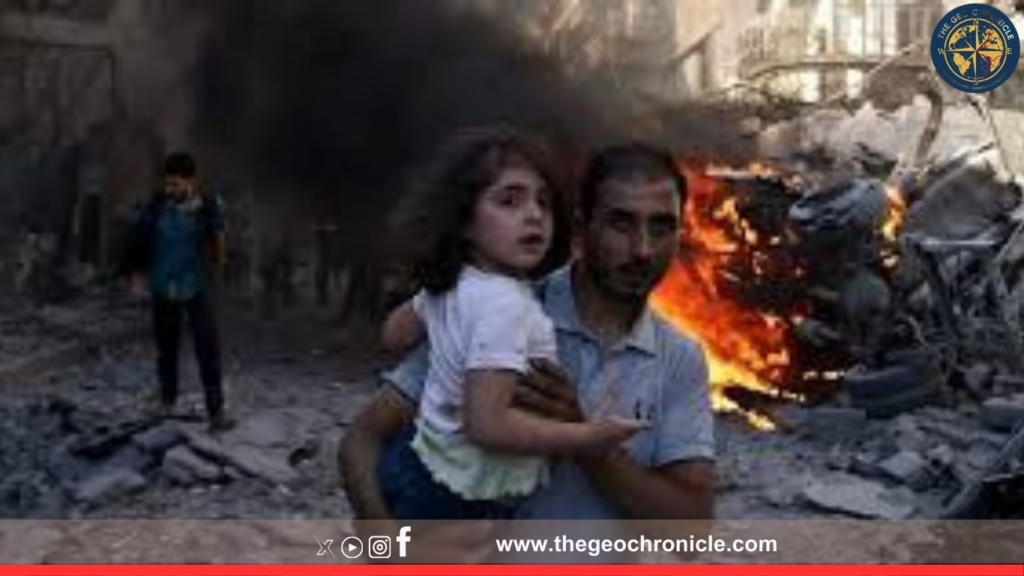
The war displaced over 12 million Syrians—half the pre-war population—and killed more than 500,000 people. The economy collapsed, healthcare systems disintegrated, and education was disrupted for an entire generation.
Assad’s Allies: Russia, Iran, and Hezbollah
Assad’s survival for over a decade was largely due to foreign support:
- Russia: Provided airpower, military advisors, and diplomatic cover at the UN.
- Iran: Supplied ground troops, weapons, and strategic guidance.
- Hezbollah: Deployed fighters from Lebanon to bolster regime forces.
This alliance, known as the “Axis of Resistance,” used Syria as a corridor to support Hezbollah and project influence across the region. However, by late 2024, these allies were distracted by internal crises and regional conflicts, leaving Assad vulnerable.
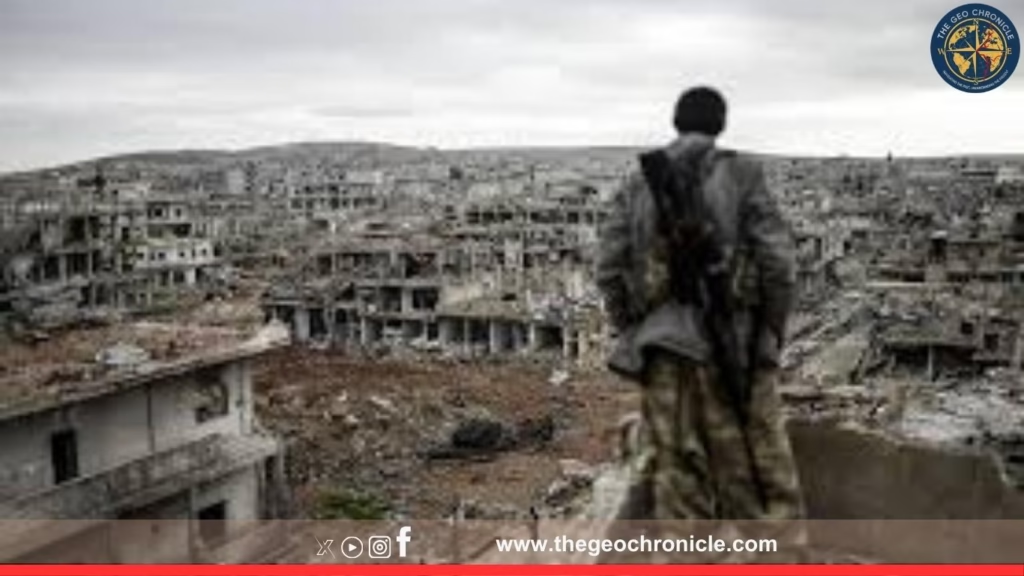
December 2024: The Final Offensive and Assad’s Flight
On November 27, 2024, opposition forces led by Hay’at Tahrir al-Sham launched a surprise offensive from Idlib. Within 12 days, they captured key cities including Aleppo, Homs, and Daraa. The Syrian National Army, backed by Turkey, joined the assault, overwhelming regime defenses.
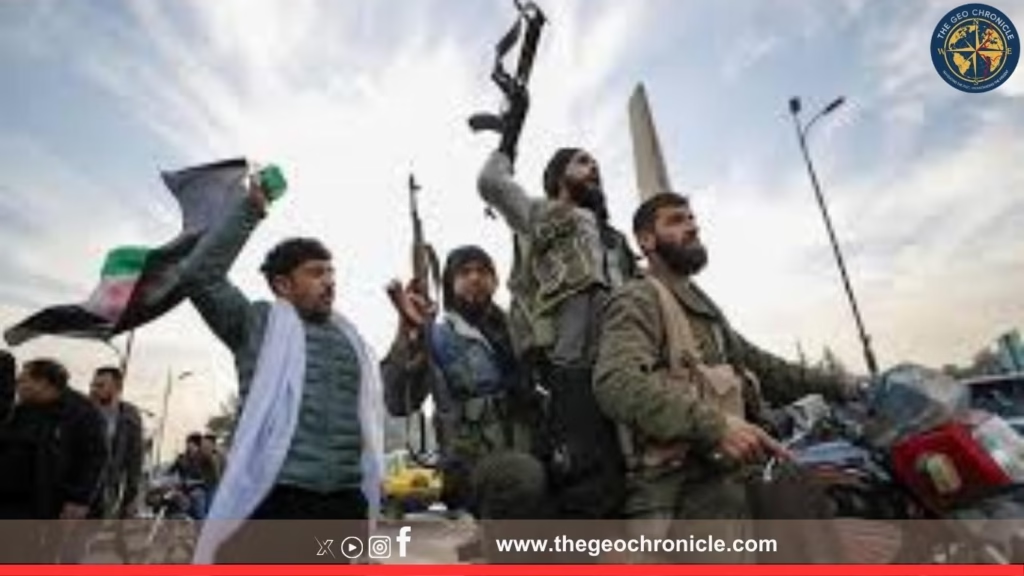
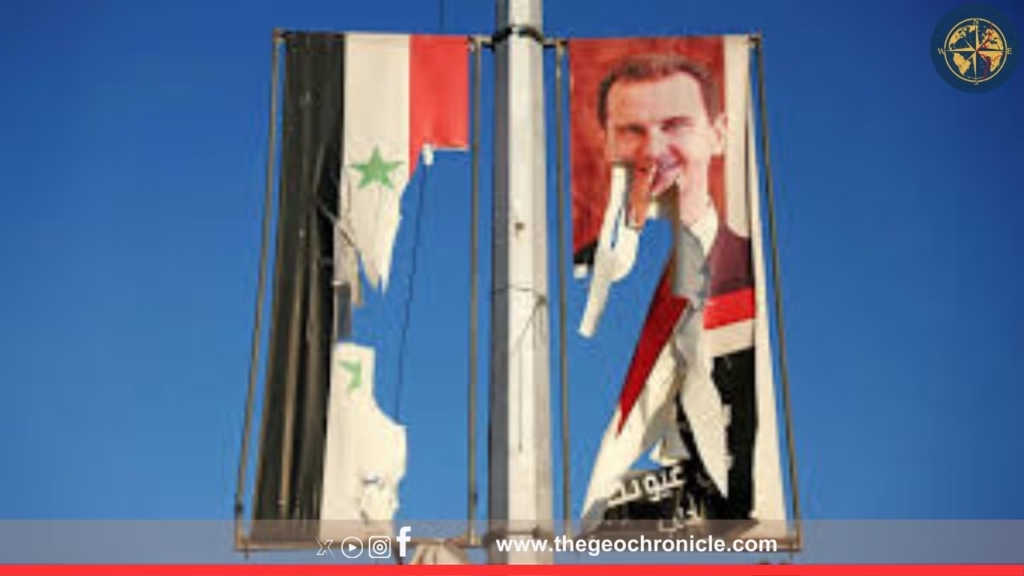
By December 8, Damascus fell with minimal resistance. Assad’s forces, demoralized and hollowed out by years of attrition, abandoned their posts. Protesters tore down regime symbols, and rebel flags flew over government buildings.
Facing imminent defeat, Bashar al-Assad fled Syria aboard a Russian military aircraft. He joined his family in exile in Russia, where he was granted asylum. The Russian Ministry of Foreign Affairs confirmed his resignation, marking the official end of the Assad regime.
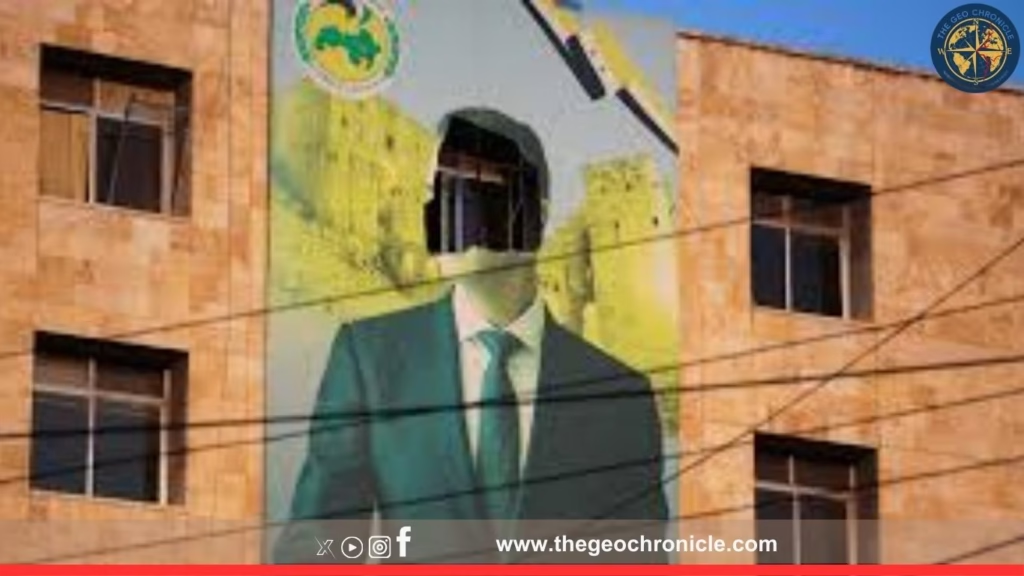
The Collapse of a Dynasty: Historical Significance
The Assad family ruled Syria for 53 years. Their fall was likened by analysts to the collapse of the Berlin Wall—a seismic shift in Middle Eastern geopolitics. The Ba’athist regime, once feared and entrenched, crumbled in days.
| Assad Family Timeline | Event |
|---|---|
| 1971 | Hafez al-Assad seizes power |
| 2000 | Bashar al-Assad becomes president |
| 2011 | Arab Spring protests begin |
| 2013–2018 | Chemical attacks and sieges |
| December 2024 | Bashar al-Assad flees Syria |
Sources: Wikipedia
The fall of Assad also disrupted Iran’s regional strategy, cutting off a key supply route to Hezbollah. It opened the door for a transitional government in Syria, though challenges remain in rebuilding institutions and ensuring stability.
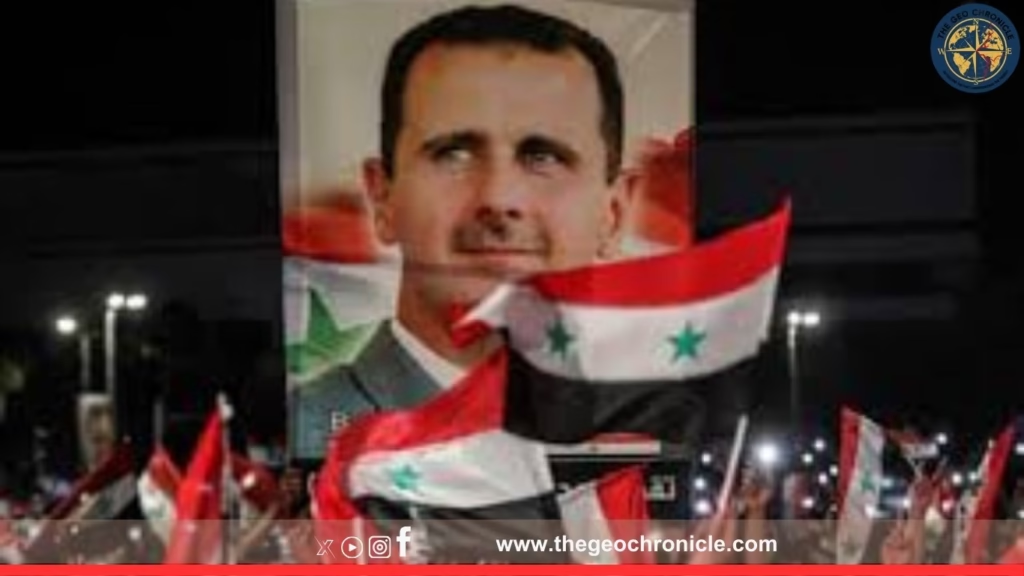
The Human Cost: Trauma and Displacement
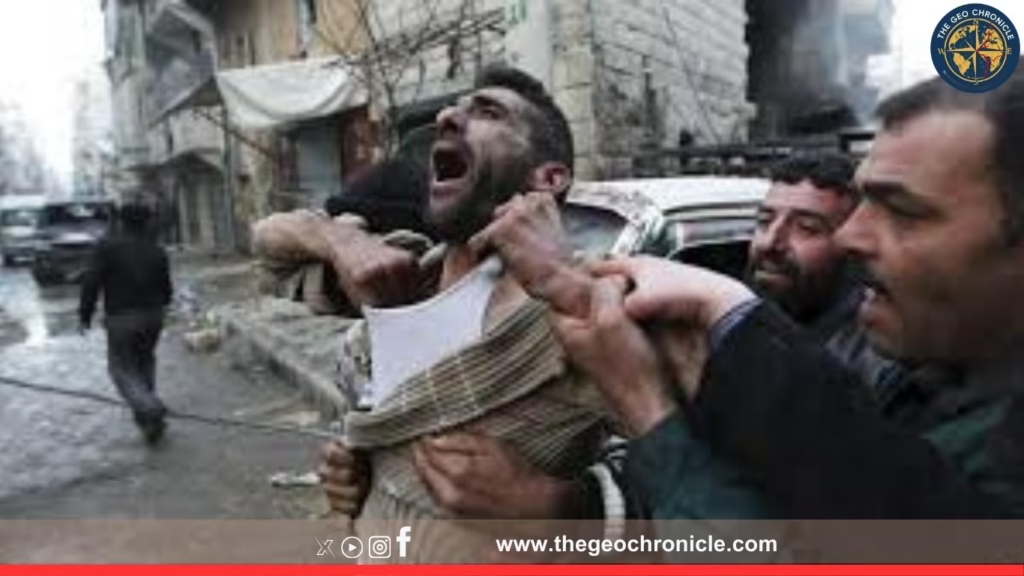
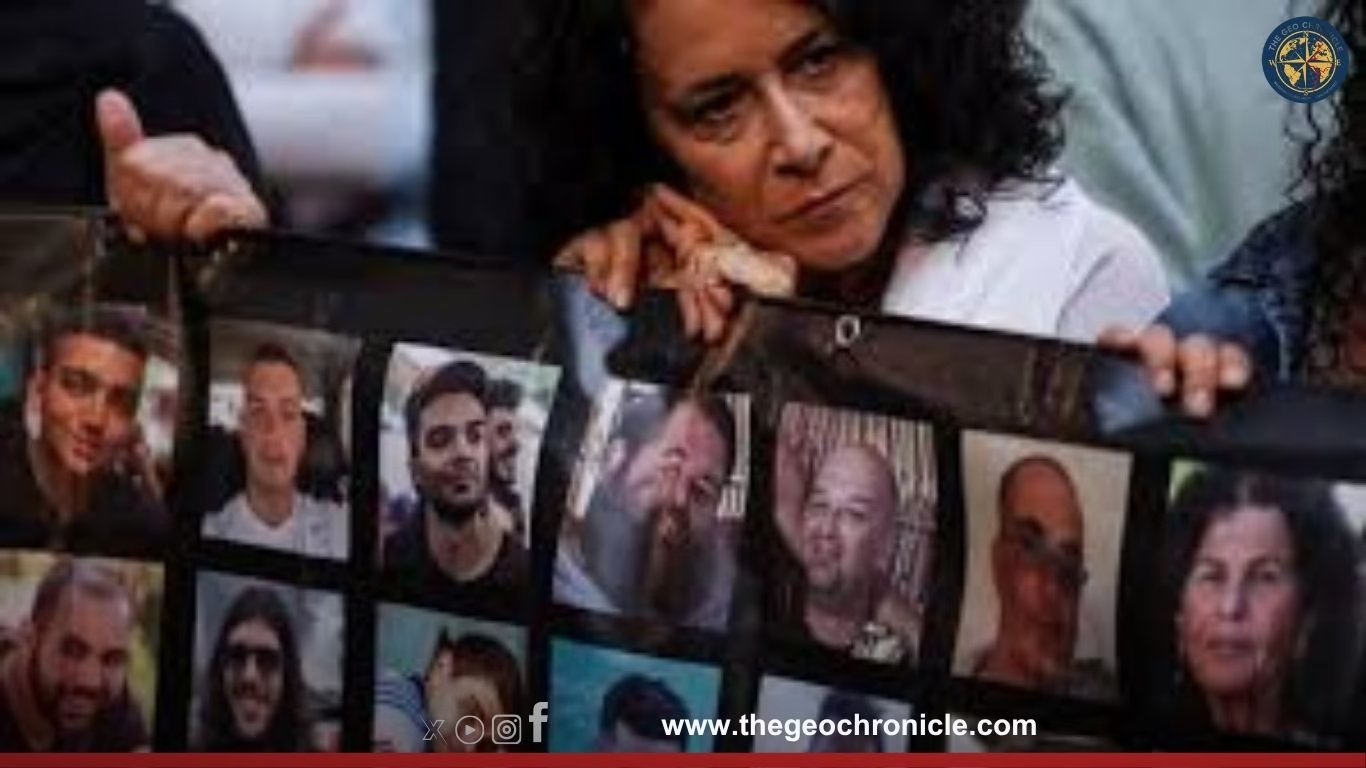
The end of Assad’s rule brought relief to many Syrians, but the scars of war remain. Families were torn apart, cities destroyed, and trust in governance shattered. Refugees across Europe and the Middle East watched the news with cautious hope.
Human rights organizations have called for accountability, demanding investigations into war crimes, including the use of chemical weapons and torture in regime prisons.
Conclusion: A New Dawn or Another Struggle?
Bashar al-Assad’s departure marked the end of one of the most repressive regimes in modern history. For Syrians, it was a moment of catharsis—but also a reminder of the immense cost of dictatorship. The road ahead is uncertain. Rebuilding Syria will require reconciliation, justice, and international support.
The fall of Assad is not just a Syrian story—it is a global lesson in the limits of authoritarianism and the resilience of people who refuse to be silenced.
Disclaimer
This article is based on publicly available information and verified reports from credible sources including Wikipedia, Al Jazeera, and France24 as of September 2025. The views expressed in quoted material are those of the respective authors and do not represent the views of this publication. All data and references are cited for informational purposes only.

















Leave a Reply