


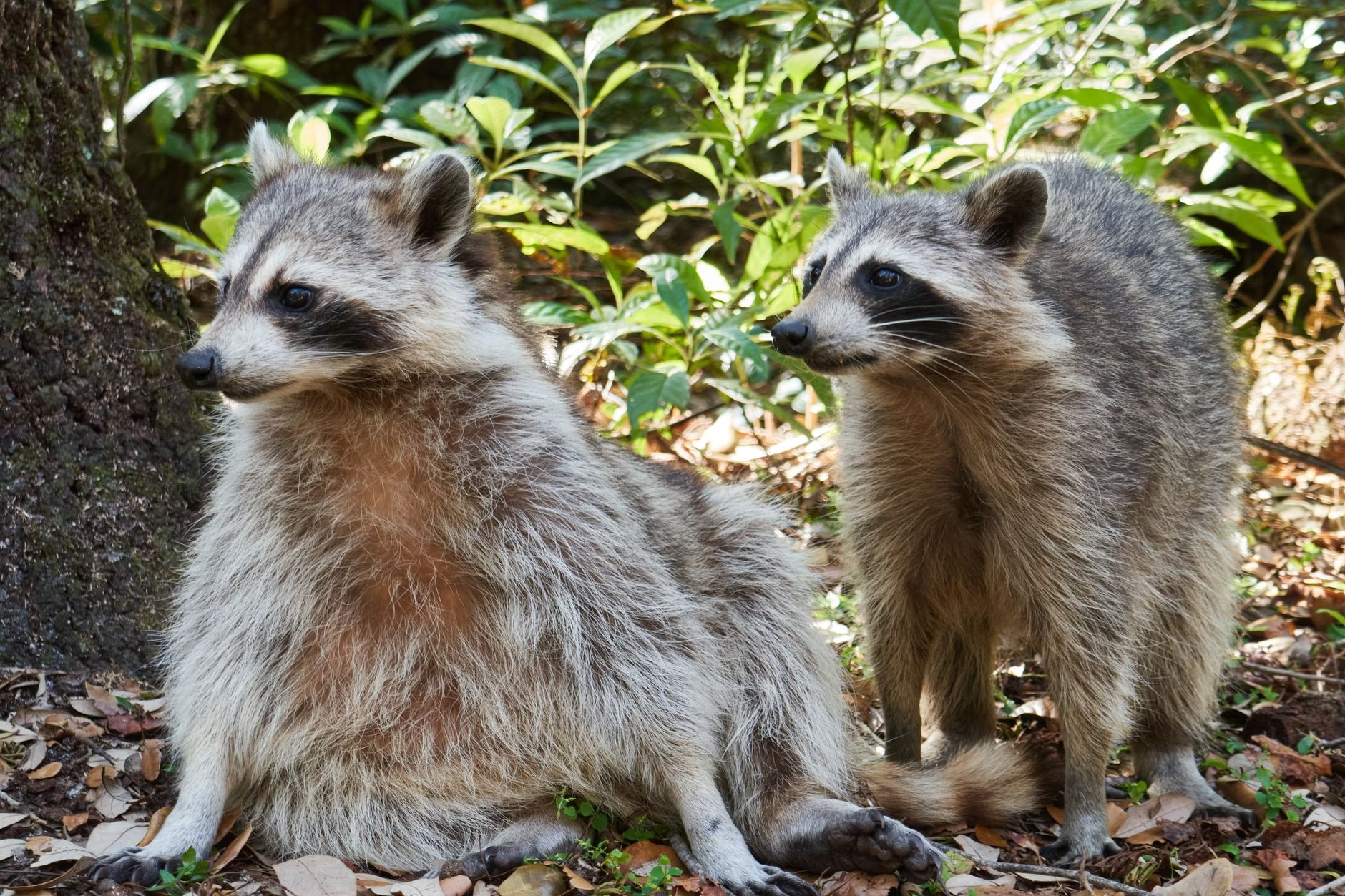
Introduction to Wildlife Rehabilitation
Wildlife conservation requires dedication, specialized knowledge, and innovative approaches to animal care. Across the United States, rehabilitation centers often face the challenge of preparing young animals for independent survival without human habituation. In Mississippi, one particular wildlife rescue has gained attention for addressing this challenge through a structured and intensive program affectionately known as raccoon boot camp.
The Vulnerable Stage of Abandoned Kits
Baby raccoons, commonly referred to as kits, frequently arrive at rescue facilities due to various unfortunate circumstances. Mothers may be displaced, injured, or killed, leaving helpless infants behind. During their early weeks of life, these kits depend entirely on maternal care for nourishment, warmth, and protection. When human intervention becomes necessary, wildlife rehabilitators step in to provide immediate medical attention, feeding support, and safe housing.
However, simply raising a baby raccoon safely indoors creates significant long-term risks. Animals that grow too accustomed to human presence often lose their natural fear of people, making them vulnerable to future dangers once released. To combat this issue, specialized programs are designed to mimic natural maternal upbringing while minimizing human contact, ensuring the young animals develop wild instincts.
The Concept of Raccoon Boot Camp
To bridge the gap between indoor care and outdoor independence, the Mississippi rescue facility developed a phased rehabilitation strategy. Often termed raccoon boot camp by staff and volunteers, this initiative focuses on teaching essential foraging, climbing, and social behaviors in a controlled outdoor environment.
During the initial stages, kits are grouped together to encourage natural socialization. Raccoons are highly intelligent and social mammals, and interacting with peers helps them establish social hierarchies and communication skills. As they grow stronger, they are transitioned to larger enclosures that simulate their natural habitat, complete with trees, water sources, and native vegetation.
Developing Essential Survival Skills
Survival in the wild demands a specific set of physical and behavioral competencies. The boot camp curriculum is tailored to instill these traits effectively before release day arrives.
Foraging and Hunting Instincts
Instead of relying solely on prepared diets fed by humans, maturing kits are introduced to natural food sources. Staff members hide various insects, fruits, and nuts within the enclosure, encouraging the raccoons to use their acute sense of touch and smell to find sustenance. This activity stimulates their natural foraging instincts and teaches them what items are safe to consume in the wild.
Climbing and Agility
Physical fitness is equally critical for raccoon survival. The training enclosures feature diverse vertical structures that encourage daily climbing and leaping exercises. Developing strong limbs and claws allows the young animals to escape potential predators and secure safe sleeping spots high above the ground once they return to nature.
Cautious Behavior Around Humans
Perhaps the most crucial aspect of the training program is maintaining a healthy wariness of people. Throughout the boot camp phase, human interaction is kept to an absolute absolute minimum. Feeding and cleaning duties are often performed without direct contact, ensuring the raccoons associate humans with danger rather than a source of food.
The Importance of Ethical Wildlife Management
Programs like the one in Mississippi highlight the dedication required by modern wildlife rehabilitators. Successful rehabilitation is not merely about keeping an animal alive, but about granting it the ability to thrive independently in its natural ecosystem. By investing time and resources into structured behavioral training, these facilities ensure that rescued kits get a genuine second chance at a wild, natural life.
Looking Ahead for Rehabilitated Wildlife
As human development continues to overlap with natural animal habitats, the need for professional wildlife rescue services remains high. Facilities that implement rigorous conditioning programs set a high standard for animal welfare and conservation. Through continued community support and expert care, initiatives like raccoon boot camp will continue to protect and preserve local wildlife populations for generations to come.




















Leave a Reply