


International Security Concerns and Economic Stability
Global threats are increasingly casting a shadow over the domestic financial landscape in the United States. As the nation prepares for the upcoming midterm elections, voters and policymakers alike are confronting a complex web of international challenges that directly influence domestic prosperity. Economic analysts note that instability abroad can quickly translate into supply chain disruptions, fluctuating markets, and heightened uncertainty for American businesses.
The interconnected nature of modern trade means that geopolitical tensions rarely remain isolated. When international conflicts or supply bottlenecks occur, the ripple effects are felt across various sectors within the United States. These external pressures complicate the financial outlook for households and enterprises, adding another layer of urgency to the political discourse surrounding the midterms.
Agricultural Pressures From Historic Fuel Costs
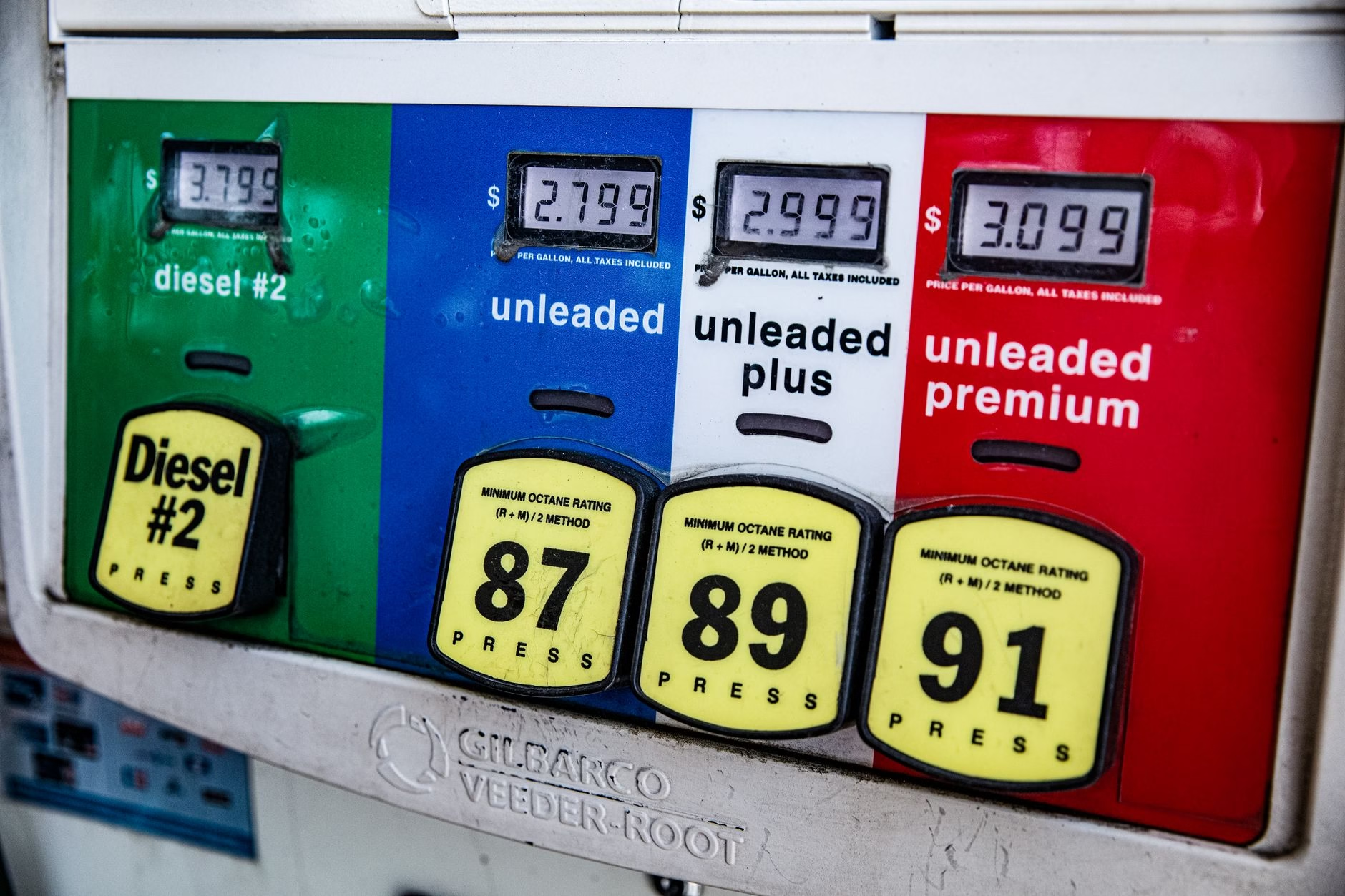
At the same time, domestic industries face severe cost burdens that threaten daily operations. Agricultural producers across the country are currently grappling with record-high diesel prices. Because farming relies heavily on heavy machinery, transportation, and continuous logistics support, soaring fuel costs severely squeeze profit margins for growers and livestock producers.
Operating a modern farm requires immense energy consumption. From tilling fields and planting crops to harvesting and delivering produce to market, diesel fuel is an indispensable input. When fuel prices reach historic highs, the cost of food production escalates rapidly. Farmers find themselves absorbing these expenses or passing them along, creating broader inflationary pressures throughout the food supply chain.
Political Implications As Midterms Approach
Economic hardships often serve as a central theme during election cycles. With the midterms fast approaching, candidates are under intense scrutiny regarding their strategies to address economic security, energy costs, and international stability. Voters are prioritizing practical solutions to the financial strains they experience in their daily lives, from filling up tractor tanks to managing household expenses.
Both political parties are presenting contrasting visions for how to stabilize the economy and support hard-hit industries like agriculture. The intersection of global instability and high domestic production costs creates a challenging environment for leadership. Addressing these multifaceted concerns will require careful policy coordination to ensure long-term resilience for the American economy.




















Leave a Reply