


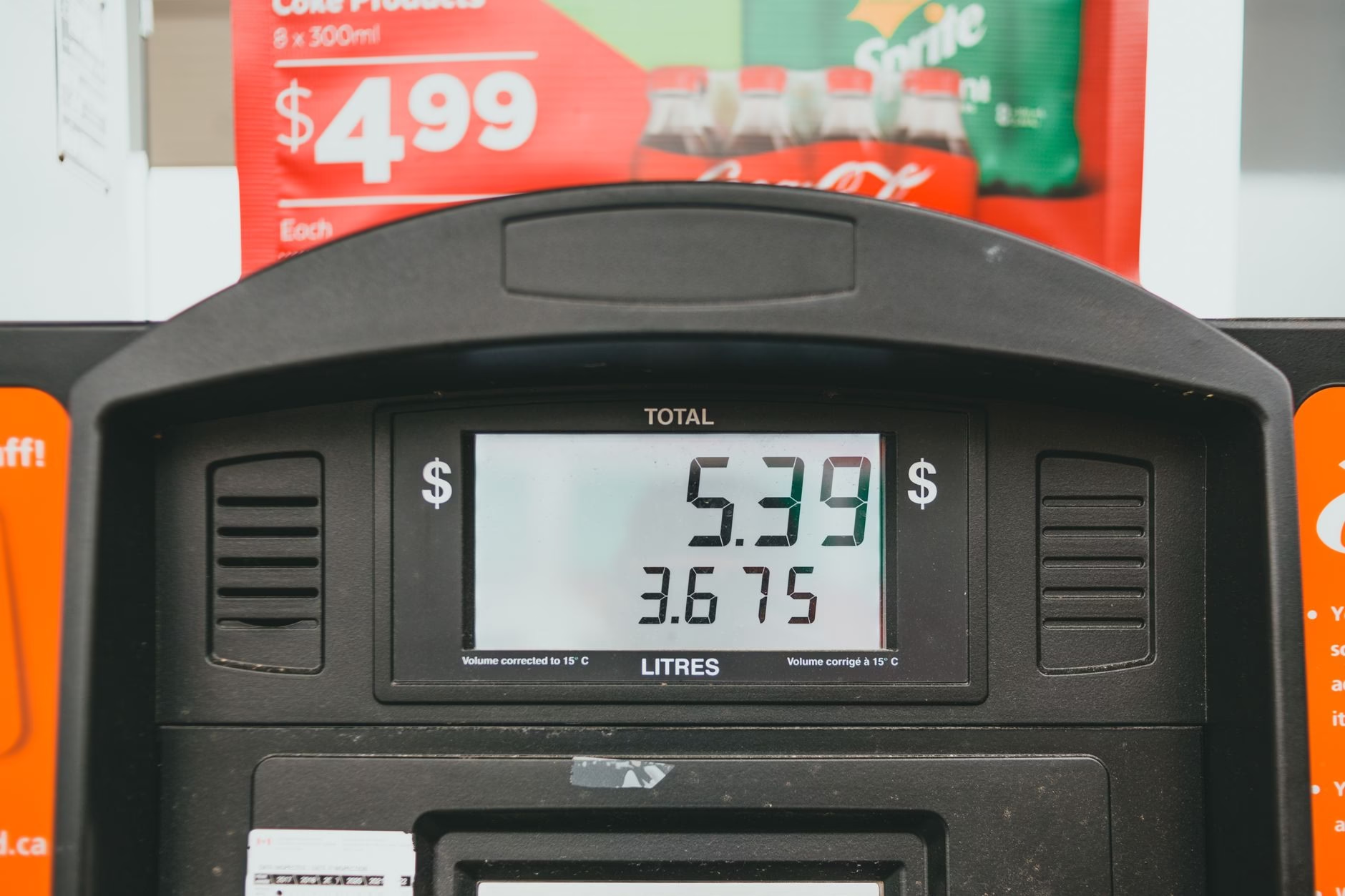
The Financial Burden on American Families
Citizens across the country are expressing deep frustration as mounting fuel costs continue to strain household budgets. For months, individuals and families have watched numbers at the pump climb steadily higher, creating significant economic pressure on everyday life. Commuters, transport operators, and average consumers alike report that these elevated expenses are forcing them to cut back on discretionary spending just to cover basic transportation needs.
The economic ripple effect of expensive petroleum is extensive. When transit costs increase, the price of shipping goods inevitably follows suit, leading to broader inflation across grocery store shelves and retail outlets. Households find themselves juggling multiple financial pressures, with fuel remaining an unavoidable daily expense that demands a larger share of disposable income.
Political Reactions and Strategic Justifications
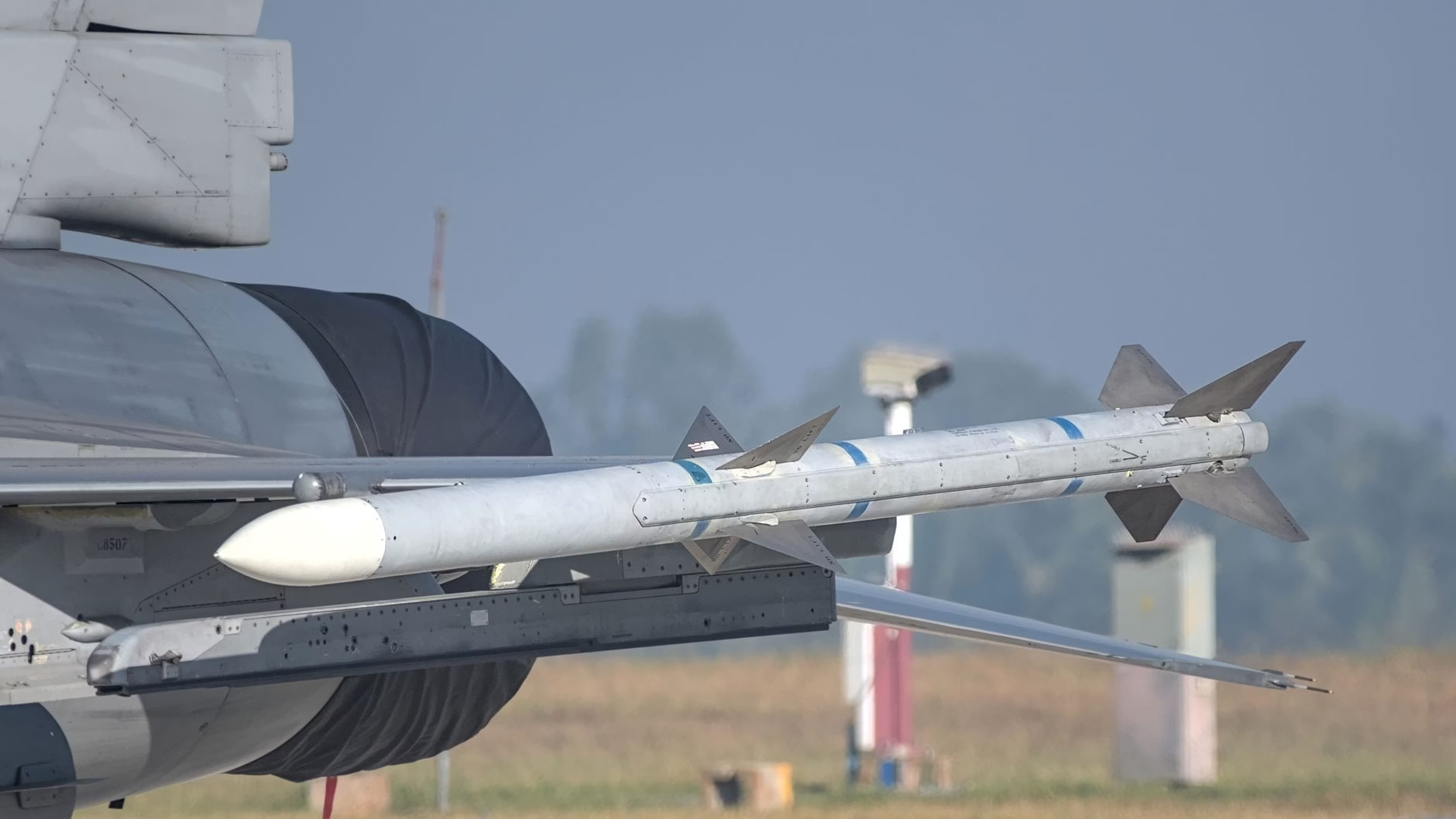
Against the backdrop of widespread public discontent, political leaders have offered varying perspectives on the root causes of the economic squeeze. Administration officials have openly defended the current strategic trajectory involving military actions against Iran, characterizing the financial strain experienced by citizens as a necessary sacrifice for broader geopolitical objectives.
During recent public commentary, former President Donald Trump addressed the mounting cost of living by describing the spike in fuel expenses as a manageable burden. He argued that the price increases at the station represent a relatively minor cost to bear in the context of confronting a strategic adversary in the Middle East. This stance has sparked intense debate among economists, lawmakers, and voters who weigh national security goals against immediate domestic economic hardships.
Voter Sentiment and Future Outlook
Public opinion remains divided regarding whether the strategic benefits of the foreign conflict outweigh the domestic economic pain. While supporters of the administration’s foreign policy emphasize the importance of decisive action abroad, everyday consumers are primarily focused on the immediate reality of their monthly expenses.
As the military campaign continues, the trajectory of petroleum markets will likely remain a central issue for the electorate. Economic analysts suggest that until stability returns to the region, relief at the pump may be limited. Consequently, the balance between national security imperatives and the financial wellbeing of citizens is expected to remain a prominent topic of discussion in households and political arenas alike.




















Leave a Reply