


International Human Rights Investigation
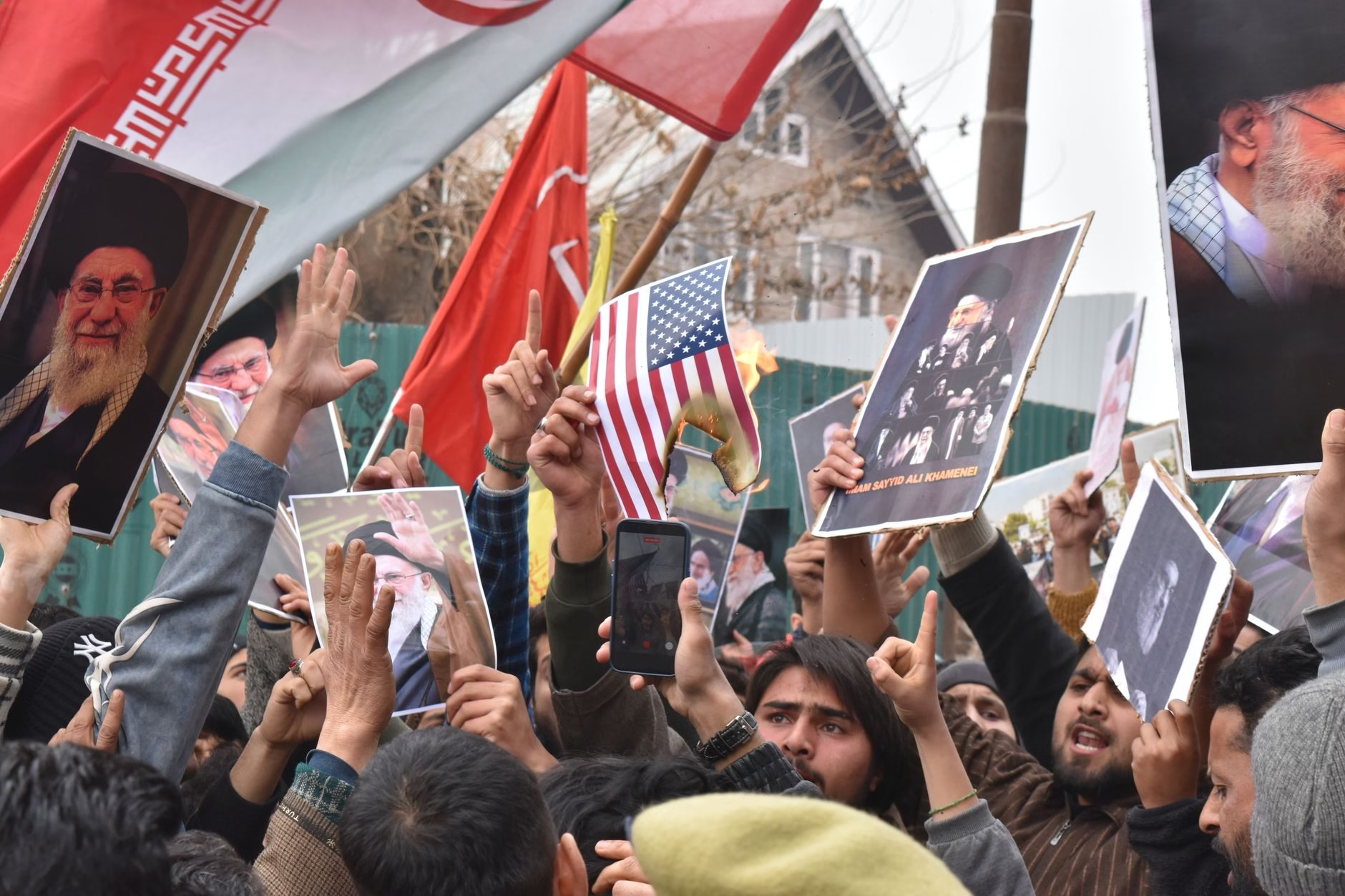
Independent investigators commissioned by the United Nations have released a significant assessment regarding recent military actions in the Middle East. According to the findings, there are reasonable grounds to believe that military strikes conducted by the United States resulted in the tragic loss of numerous civilian lives. This development brings renewed international scrutiny to the rules of engagement and the legal frameworks governing modern armed conflict.
Evaluating the Evidence of Civilian Casualties
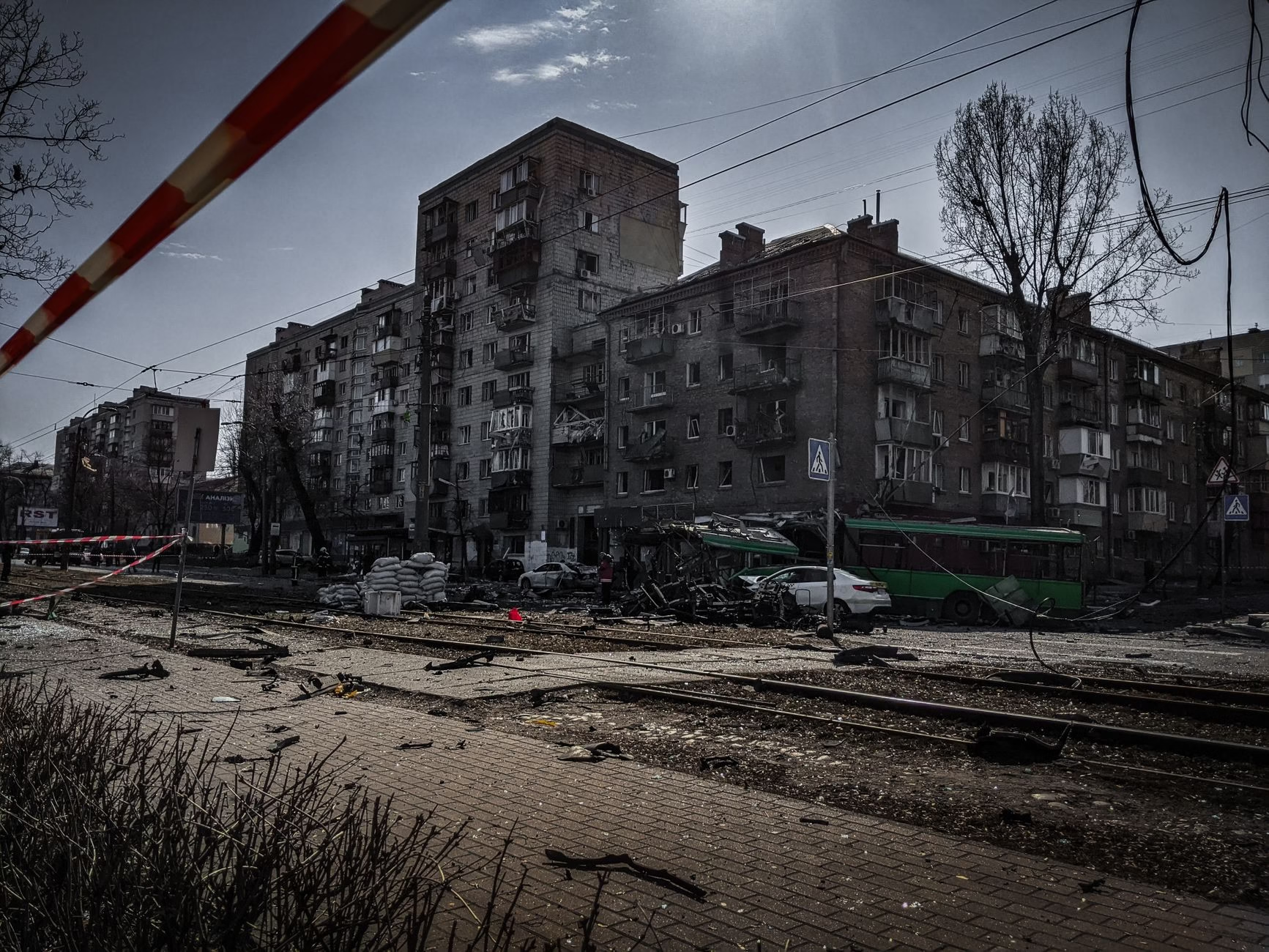
The panel of experts meticulously reviewed available data, witness accounts, and military reports concerning the specific operations in question. The strikes, which targeted locations within Iran, reportedly led to scores of civilian fatalities. Investigators are tasked with determining whether the military actions adhered to international humanitarian law, particularly concerning proportionality, distinction, and the protection of non-combatants during active hostilities.
Legal Implications and International Law
Under international law, military operations that disproportionately harm civilians or fail to adequately distinguish between military objectives and protected populations can be classified as violations of the laws of war. The conclusion reached by the United Nations experts highlights the threshold required to categorize such incidents as potential war crimes. While these findings do not constitute a formal judicial verdict, they serve as a critical official acknowledgment that demands further independent inquiry and accountability.
Global Reactions and Diplomatic Repercussions
The announcement from the human rights panel has triggered significant diplomatic discussions across the global community. Governments and international organizations are currently assessing the broader implications of the findings on ongoing regional stability and bilateral relations. Observers note that such expert reports often serve as foundational documents for future international tribunals, diplomatic pressure, or formal investigations by international legal bodies.
Next Steps for Accountability
As the international community digests the details of the report, attention turns toward potential pathways for formal accountability. Human rights advocates and legal scholars emphasize the necessity of transparent investigations into all allegations of civilian harm resulting from military interventions. The findings underscore the enduring challenge of protecting civilian populations in conflict zones and enforcing adherence to international legal standards by global superpowers.



















Leave a Reply