


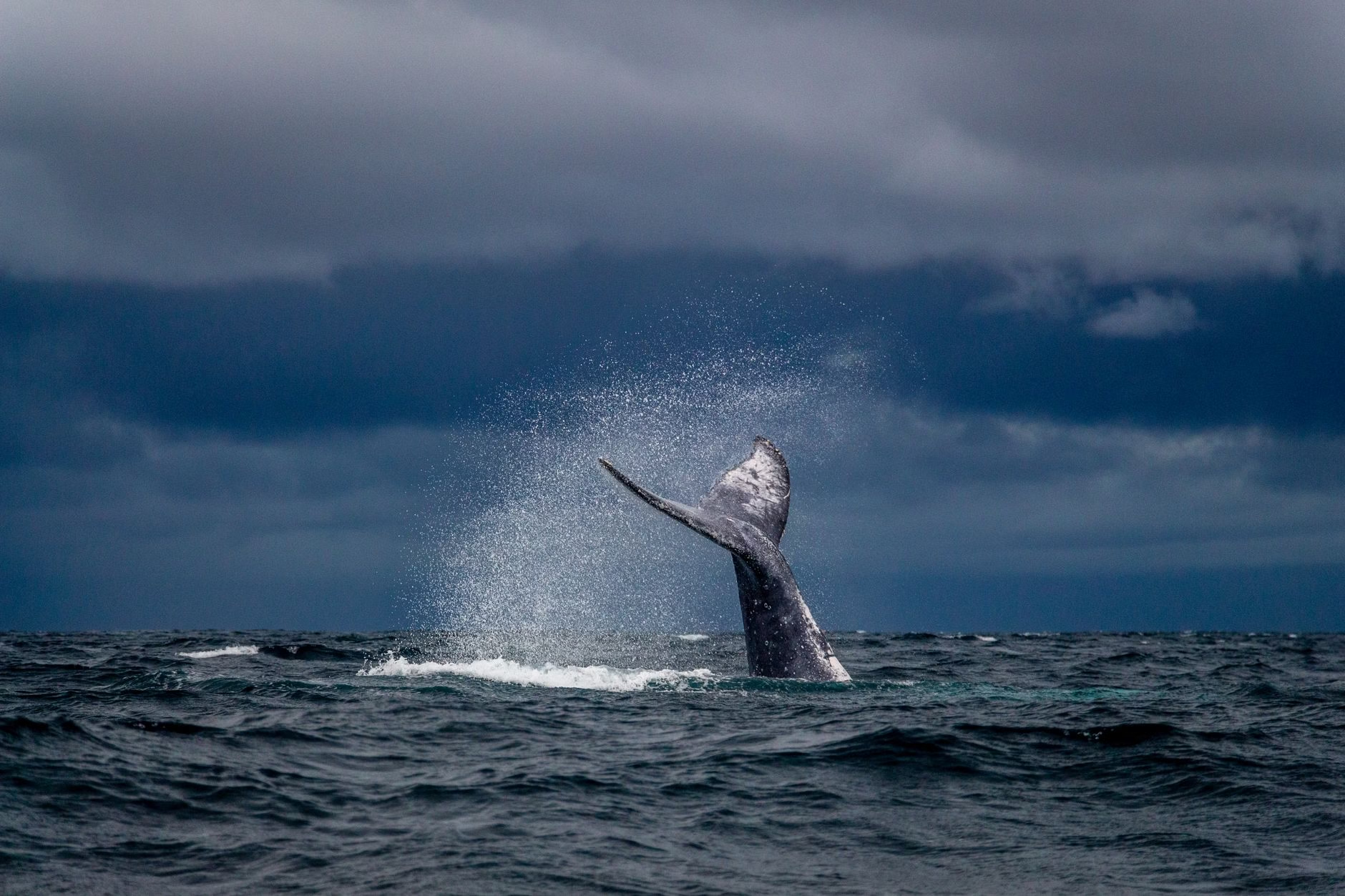
Understanding Cetacean Emotion
The emotional lives of marine mammals have long fascinated researchers, marine biologists, and ocean enthusiasts across the globe. While scientists have documented various complex behaviors in cetaceans over the decades, witnessing profound grief remains exceptionally rare. Recent video recordings have offered a poignant look into the emotional depth of these massive ocean dwellers, providing scientists with valuable material to study how large marine species process loss.
The Discovery
Marine researchers recently captured remarkable video evidence showcasing a female humpback whale demonstrating clear signs of mourning. In the visual records, the mother can be observed remaining closely by the side of her deceased offspring. The young calf lies completely motionless on the ocean floor, unable to swim or surface, while the adult female maintains a continuous physical presence nearby.
Behaviors Observed in the Footage
Throughout the recorded sequence, the female humpback whale interacts gently with the body of her young. She uses both her head and her large pectoral fin to touch the motionless calf repeatedly. These deliberate movements emphasize a strong maternal bond that persists even after the tragic loss of the newborn. Observers note that such attentive and tender gestures mirror the kinds of caregiving actions seen while the calf was still alive.
Significance for Marine Research
Incidents of cetacean mothers guarding or carrying deceased offspring have occasionally been reported by sailors and researchers, but capturing high-quality visual documentation is uncommon. This new footage adds to the growing body of knowledge regarding marine mammal psychology and social structures. Researchers continue to analyze the recordings to better understand the frequency and nature of grief responses among baleen whales.
Broader Implications for Ocean Conservation
Observing such deep emotional responses in humpback whales highlights the sentience and complexity of these animals. As marine habitats face mounting pressures from human activity, pollution, and climate change, understanding the inner lives of whales underscores the urgent need for robust conservation efforts. Protecting these intelligent creatures ensures that future generations can continue to study and appreciate the profound complexities of marine life.






















Leave a Reply