


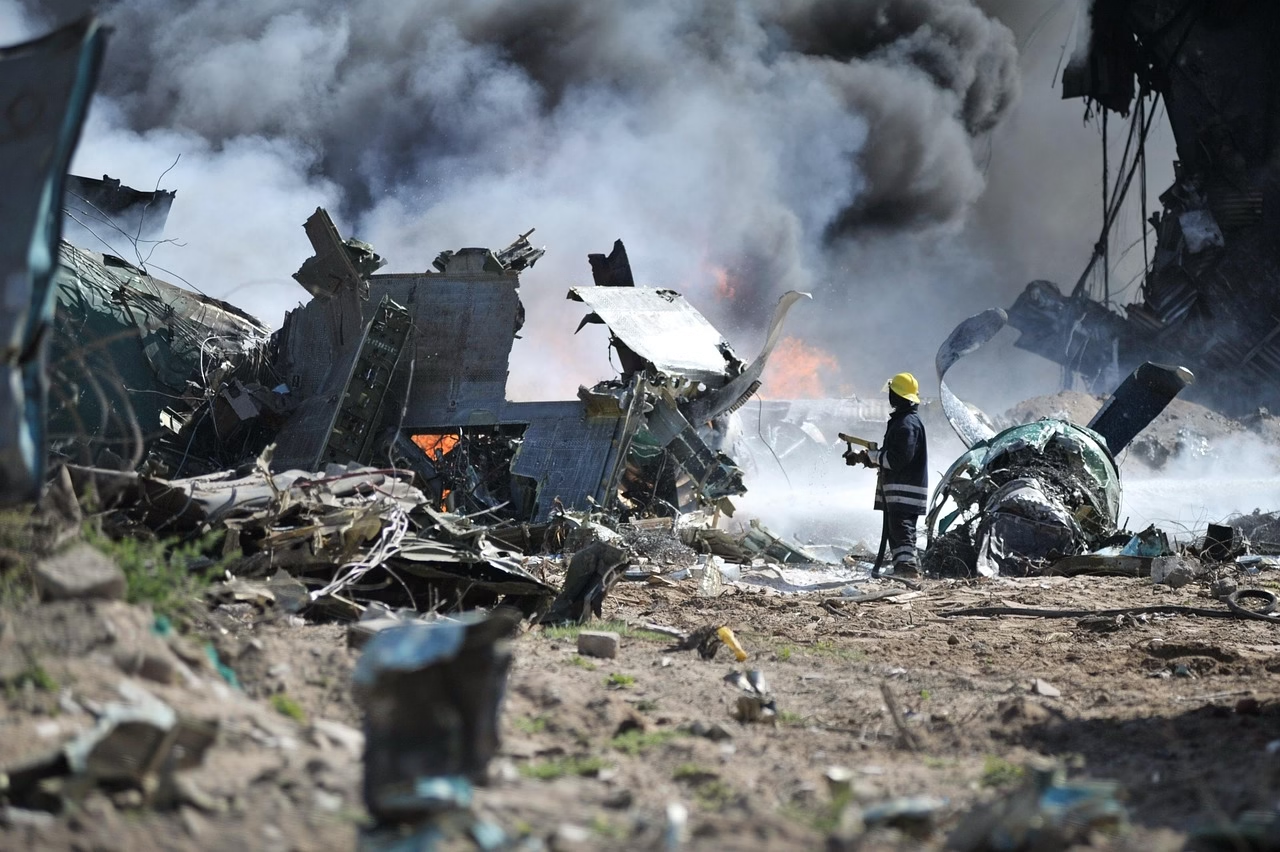
A catastrophic plane crash involving a skydiving excursion claimed the lives of 12 people on Saturday in a rural field in Missouri. Local authorities confirmed that the aircraft, which was transporting a pilot and 11 passengers, ignited upon impact, leaving no survivors at the scene.
Context and Incident Overview
The tragedy occurred during a routine outing, a common weekend activity for aviation and extreme sports enthusiasts in the region. Emergency responders arrived at the crash site shortly after the incident, where they discovered the wreckage fully engulfed in flames, complicating initial rescue and recovery efforts.
Federal aviation officials have been dispatched to the site to initiate a comprehensive investigation into the cause of the disaster. Such investigations typically involve analyzing flight data recorders, examining maintenance logs, and assessing environmental conditions at the time of the flight.
Investigative Focus and Safety Protocols
The National Transportation Safety Board (NTSB) has taken the lead in determining why the aircraft descended unexpectedly. Investigators are currently surveying the debris field to identify potential mechanical failures or pilot error, which remain the primary areas of scrutiny in aviation accidents.
Skydiving operations are subject to rigorous safety standards, including regular inspections of aircraft and strict adherence to weight and balance requirements. Aviation analysts note that while general aviation accidents have seen a downward trend over the last decade, incidents involving modified transport aircraft for skydiving remain a specific area of regulatory focus.
Industry Implications
For the broader aviation and skydiving industry, this event prompts a renewed discussion regarding aging aircraft fleets often repurposed for recreational jumping. Operators frequently utilize older models, which, while robust, require heightened maintenance schedules to ensure continued airworthiness.
The loss of 12 lives represents one of the most significant aviation tragedies in the state’s recent history. Stakeholders in the skydiving community are now bracing for potential increases in oversight and stricter operational requirements from the Federal Aviation Administration (FAA) as the investigation progresses.
Looking Ahead
In the coming weeks, the focus will shift toward the preliminary report from the NTSB, which is expected to provide initial findings on the aircraft’s final moments. Observers will be watching for specific data points regarding engine performance and communication logs between the pilot and ground control. The industry will also look for guidance on whether current safety mandates for skydiving transport flights require immediate updates to prevent future occurrences of this magnitude.





















Leave a Reply