
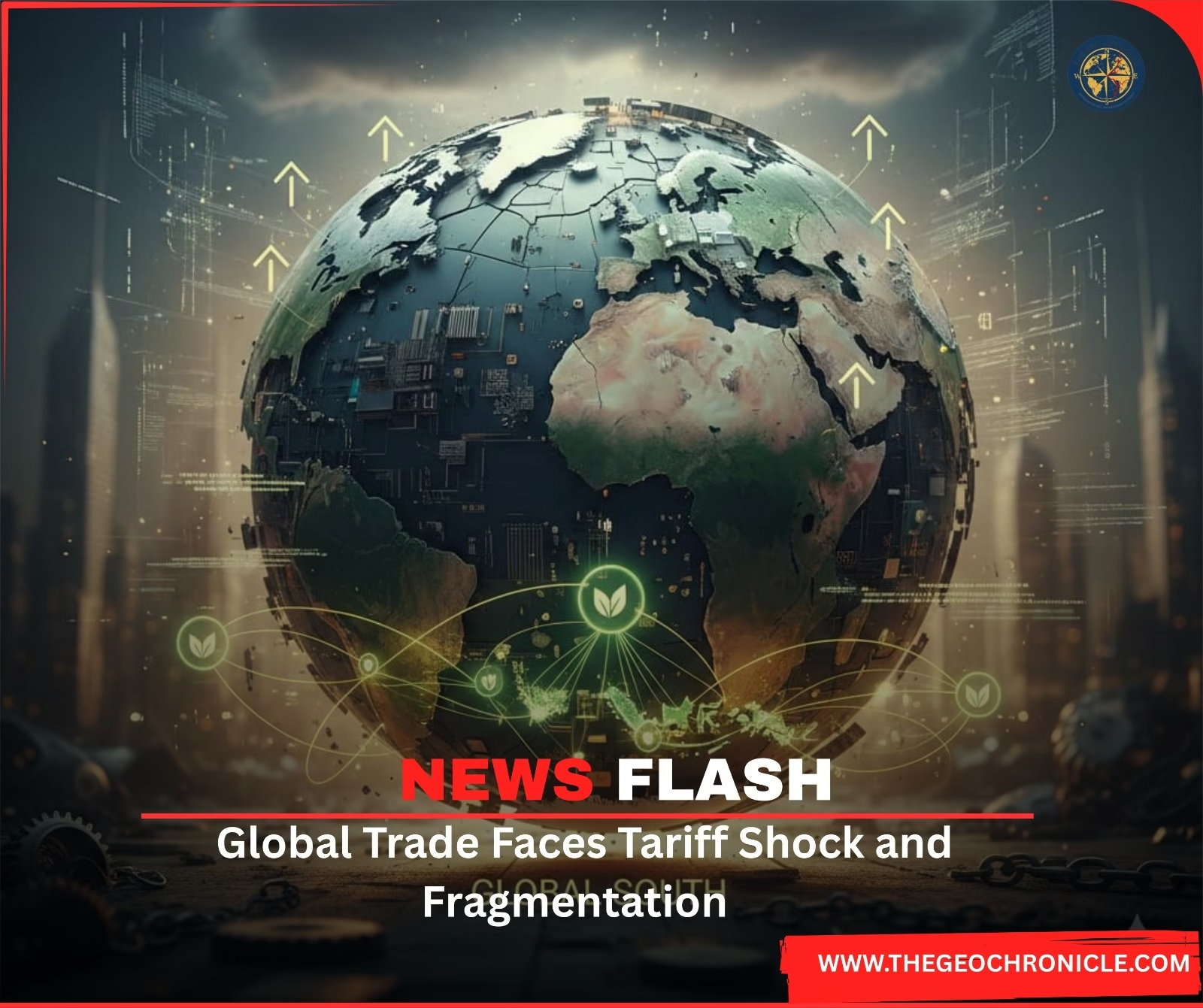
The year 2025 has seen global trade undergo profound changes, with tariff shocks and rising protectionism dominating headlines. Following the 2024 US elections, aggressive trade policies have reshaped supply chains and created new challenges for multinational corporations. The World Economic Forum highlighted that South-South trade gains and climate-linked supply chain shifts are emerging as counterbalances to Western protectionism.
Major economies are increasingly pursuing localization strategies, aiming to reduce dependence on foreign imports while boosting domestic industries. This has led to both opportunities and risks, as businesses must adapt to shifting regulations and fragmented markets. Analysts warn that while some regions benefit from new trade alignments, others face economic instability.
The rise of the Global South as a trade bloc has been particularly notable, with countries in Asia, Africa, and Latin America strengthening ties to offset Western tariffs. This trend reflects a broader geopolitical shift where emerging economies are asserting greater influence in global trade governance.
Observers believe that 2025 marks a turning point in the global trading system, with protectionism and climate-linked policies redefining the rules of engagement. The coming year will test whether these shifts lead to sustainable growth or deeper divisions.
Disclaimer: This article is based on reports from the World Economic Forum and industry analysis. Readers should consult official trade publications for detailed updates.
#GlobalTrade #TariffShock #Protectionism #GlobalSouth #SupplyChains
Global Trade Faces Tariff Shock and Fragmentation









Leave a Reply