
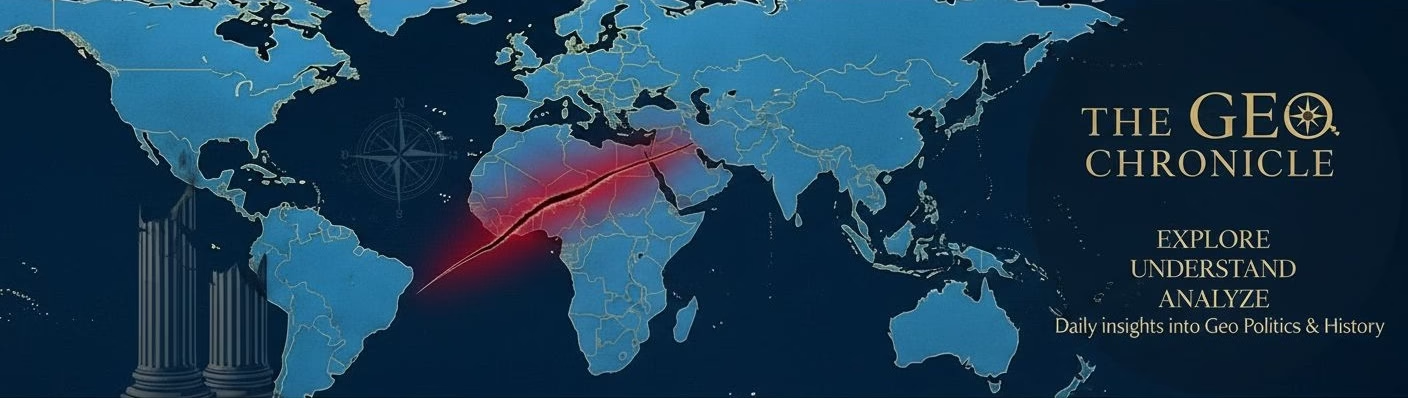


Understanding Global Longevity Patterns
Global health disparities remain a defining characteristic of our modern world. When examining the demographic data across different continents, the stark contrast in how long people live becomes evident. Public health researchers continuously study these variations to identify the underlying social, economic, and medical factors that contribute to a longer lifespan or, conversely, a premature end.
Demographic studies consistently show that access to quality healthcare, nutritional security, and stable living conditions serve as the primary pillars of human longevity. Nations that invest heavily in preventative medicine and universal healthcare coverage typically witness their citizens living well into their eighth and ninth decades. On the other hand, countries plagued by ongoing conflict, severe poverty, and weak infrastructure see dramatically reduced average lifespans.
Nations Leading the World in Longevity
At the top of the global health spectrum, several nations stand out for exceptional longevity. Countries in East Asia and Western Europe frequently dominate the upper echelons of life expectancy rankings. These regions often benefit from robust healthcare systems, diets rich in fresh produce and lean proteins, and environments that promote active daily lifestyles.
Japan and various smaller European territories routinely report average life expectancies surpassing eighty years. Citizens in these areas experience lower rates of chronic cardiovascular issues, largely due to proactive public health campaigns and dietary habits that emphasize moderation and nutritional balance. Furthermore, strong social support networks for aging populations help mitigate isolation, contributing positively to mental and physical health.
Regions Facing Severe Longevity Challenges
Conversely, the nations with the lowest life expectancies face monumental hurdles. Many of these countries are situated in sub-Saharan Africa, where systemic challenges severely impact public health outcomes. Infectious diseases, limited access to clean drinking water, and inadequate medical facilities create an environment where life expectancy often falls significantly short of global averages.
In these regions, preventable and treatable conditions frequently become fatal due to a lack of infrastructure and medical supplies. Political instability and economic hardship further exacerbate these issues, disrupting healthcare delivery and preventing the establishment of long-term public health strategies. Addressing these disparities requires coordinated international efforts and sustained investment in basic human needs.
Socioeconomic and Environmental Determinants
Life expectancy is not merely a reflection of medical intervention; it is deeply intertwined with socioeconomic status. Income inequality, educational attainment, and occupational hazards all play a profound role in determining how long an individual can expect to live. Communities with higher average incomes generally have better access to health literacy resources and healthier living environments.
Environmental factors also demand attention. Air quality, sanitation standards, and vulnerability to climate-related disruptions heavily influence public health. Urban planning that incorporates green spaces and reduces pollution correlates strongly with improved health outcomes and extended life spans for urban residents.
The Future of Global Health Equity
Analyzing the gap between the nations with the highest and lowest life expectancies highlights the urgent need for global health equity. While wealthy nations continue to see incremental gains in longevity through advanced medical technologies, many developing countries struggle to secure basic healthcare necessities for their populations.
Bridging this divide demands targeted interventions, from improving maternal and child health services to expanding vaccine distribution and strengthening healthcare workforces in underserved areas. Only through sustained global cooperation can the international community hope to narrow the vast disparities in human longevity that persist today.



















Leave a Reply