


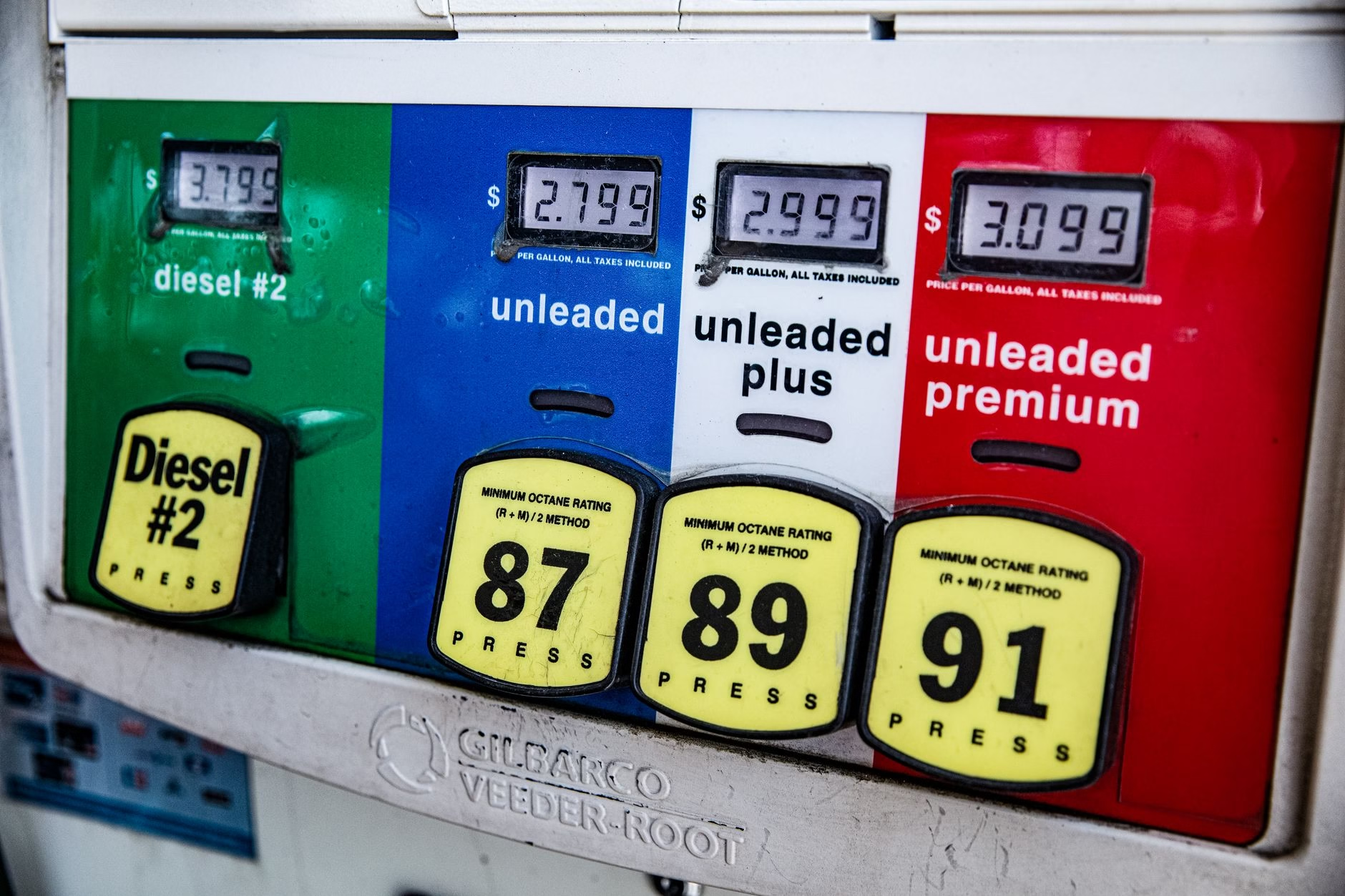
The global energy market has faced significant volatility over recent years, impacting households and industries alike. Market observers constantly analyze the primary drivers behind fluctuating fuel costs, particularly diesel, which serves as a vital component for global logistics, transportation, and agriculture.
Energy Market Dynamics And Diesel Prices
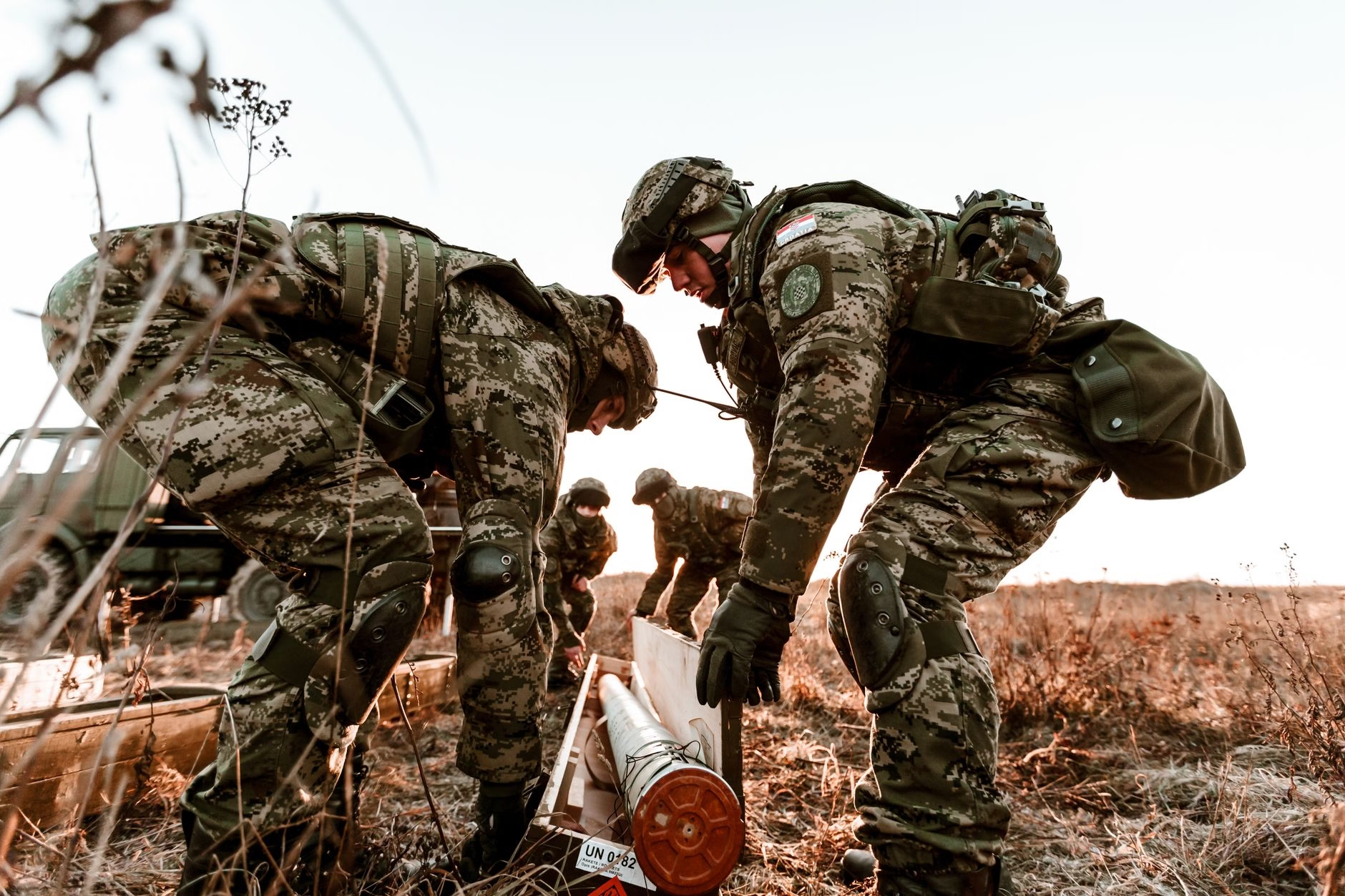
Recent commentary from political figures has shed light on the primary catalysts behind the upward pressure on diesel costs worldwide. According to public statements, the ongoing military conflict between Russia and regional neighbors remains the dominant force pushing fuel prices higher, rather than developments involving other oil-producing nations such as Iran.
Diesel pricing heavily influences the broader economy because commercial transport relies completely on this specific refined product. When supply chains face disruptions due to geopolitical tensions in Eastern Europe, refinery outputs and distribution networks feel the immediate impact. This dynamic keeps operational costs elevated for shipping companies, agricultural producers, and manufacturers globally.
Agreements On Energy Infrastructure
Amidst the ongoing hostilities, discussions regarding the protection of critical infrastructure have occasionally emerged. Reports indicate that diplomatic channels have sometimes explored understandings between the warring nations to avoid targeting vital energy facilities. Protecting power grids, refineries, and pipelines prevents catastrophic environmental disasters and helps stabilize regional energy supplies.
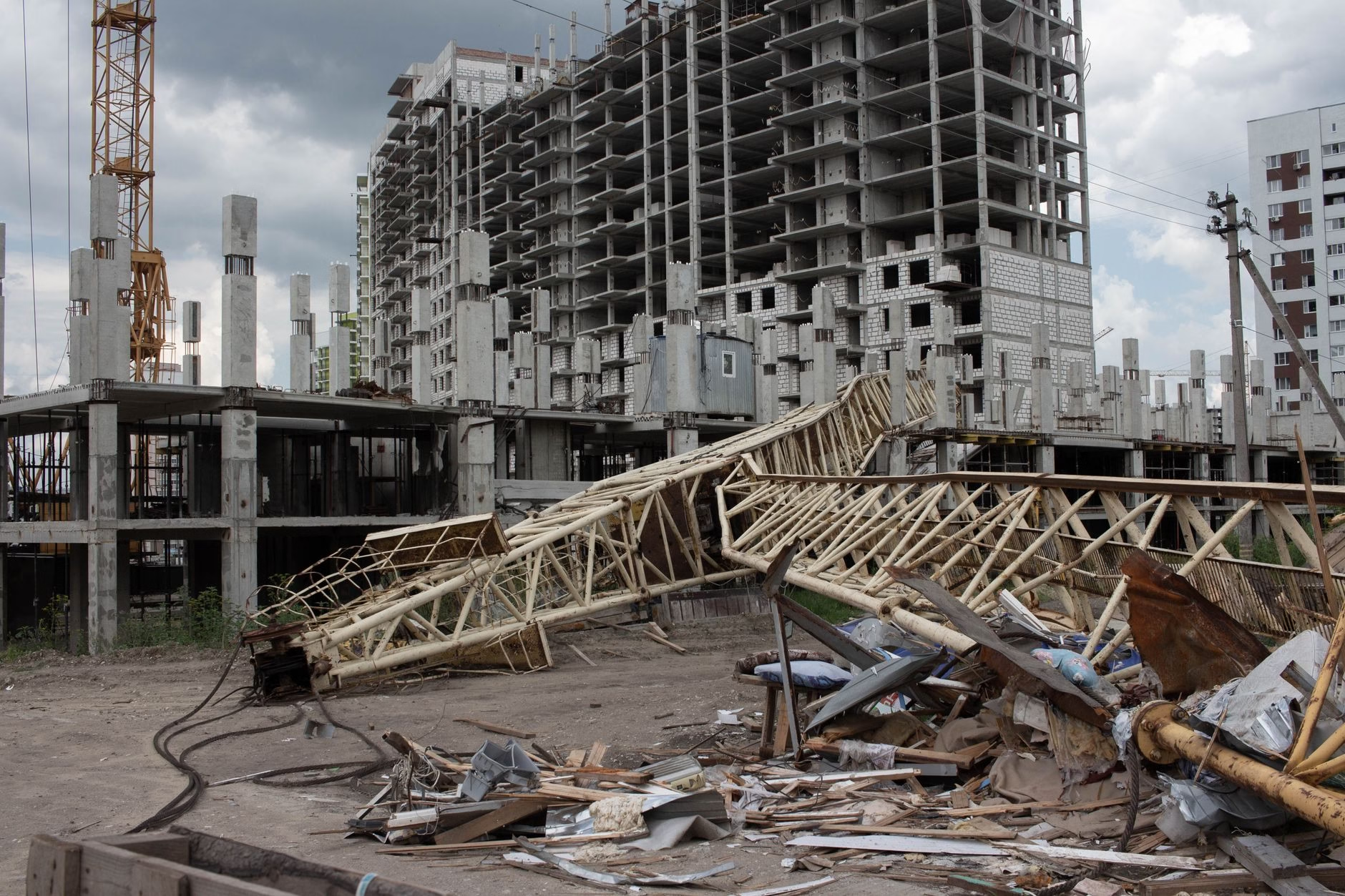
However, maintaining such informal or formal understandings proves challenging during intense military campaigns. Energy targets remain strategically valuable, and shifts on the battlefield frequently threaten the fragile truces that protect commercial and industrial assets. Analysts continue to monitor these developments closely to gauge potential risks to international commodity markets.
Broader Economic Implications
Consumers ultimately bear the brunt of sustained high diesel prices through increased costs for goods and services. As long as the conflict persists, shipping expenses will likely remain elevated, passing down the financial burden to everyday purchasers.
Policymakers and industry leaders continue to seek alternative supply routes and energy diversification strategies to cushion their economies from Eastern European shocks. By reducing reliance on volatile regions, nations hope to insulate their domestic markets from sudden spikes in diesel and crude oil quotations.
Conclusion
Understanding the root causes of global inflation in fuel costs requires looking past secondary geopolitical flashpoints. As expert analysis confirms, the confrontation in Eastern Europe remains the central factor dictating current diesel price trends, overshadowing other international tensions.



















Leave a Reply