


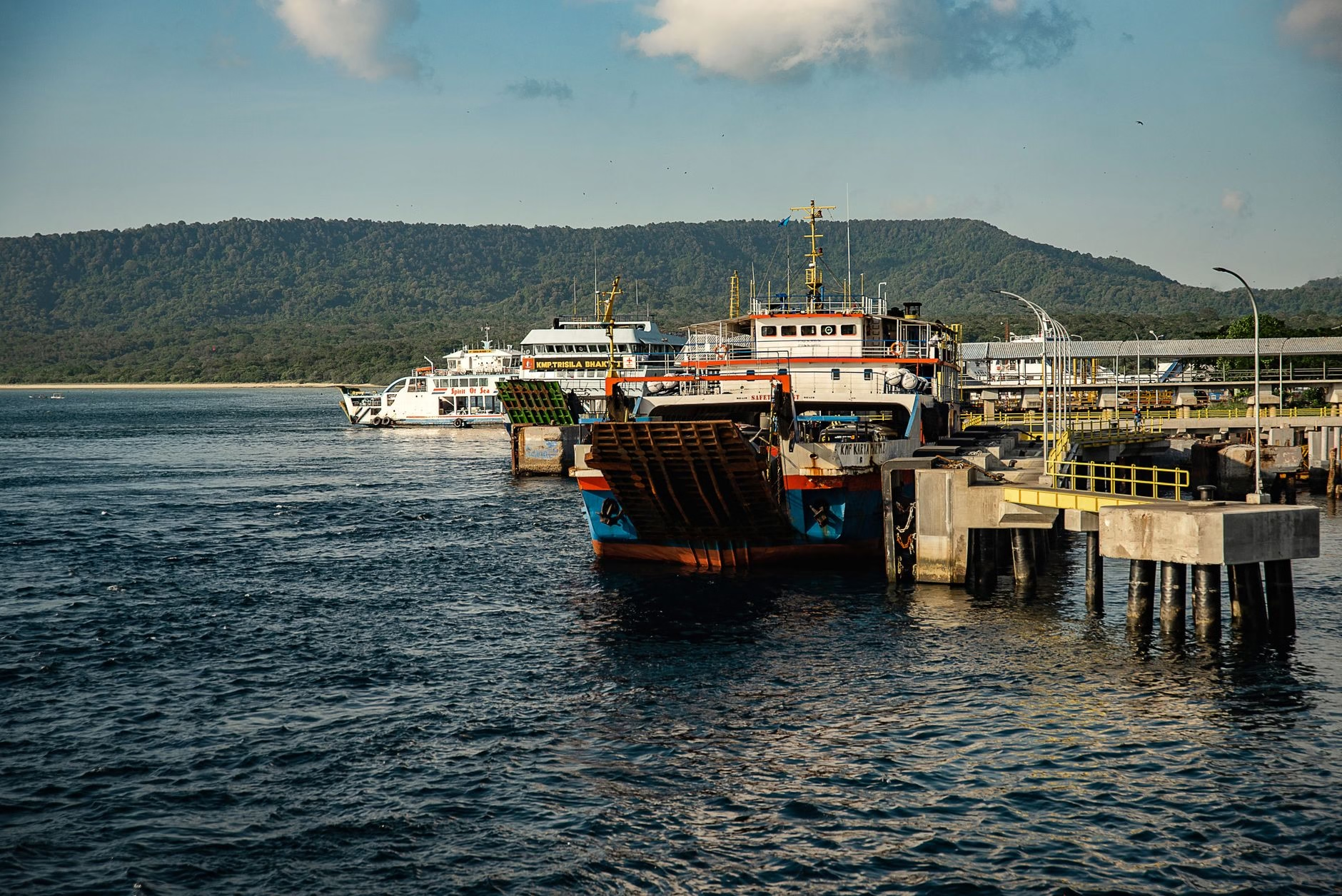
Tragedy struck maritime travel in Southeast Asia as a passenger vessel capsized in the Java Sea, leaving authorities scrambling to rescue dozens of unaccounted-for individuals. The devastating incident highlights ongoing concerns regarding water transport safety in the region.
Incident Overview and Voyage Details
The maritime disaster involved a commercial ferry that had departed from the port city of Surabaya, located in East Java. Officials confirmed that the vessel was navigating toward its scheduled destination of Banjarmasin, situated in the South Kalimantan province on Borneo Island.
Passenger Manifest and Casualty Reports
At the time the vessel overturned, the ferry was carrying a total of more than 240 people on board. Search and rescue operations were launched immediately following the distress signals. According to the latest official reports, at least six individuals have been confirmed dead.
Ongoing Search and Rescue Efforts
Compounding the tragedy, at least 129 people remain officially missing as emergency response teams comb the waters of the Java Sea. Rescue authorities continue to deploy ships and aircraft to locate survivors amidst challenging maritime conditions. Local agencies are coordinating relief efforts and gathering information from families waiting anxiously at ports for news of their loved ones.
Maritime Safety Context
Water transport remains a vital method of connectivity across the vast Indonesian archipelago, which comprises thousands of islands. However, accidents involving passenger ferries occur periodically, drawing renewed scrutiny to adherence to safety regulations, passenger manifests, and weather monitoring systems. As the current investigation unfolds, authorities remain focused primarily on locating the remaining missing passengers.























Leave a Reply