


Introduction
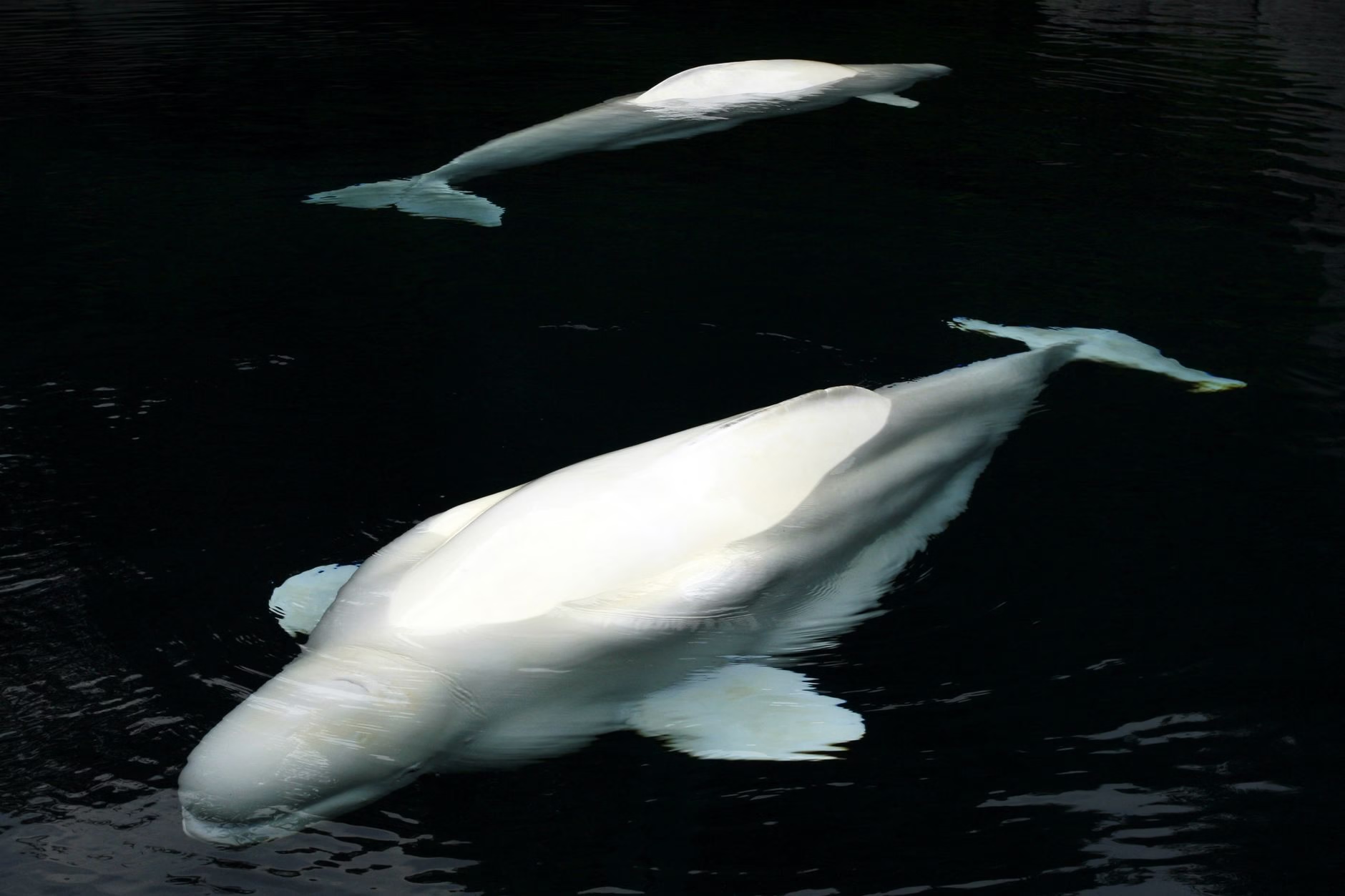
Canada’s history with marine mammals in captivity has undergone significant transformation in recent years. Public sentiment, shifting legal landscapes, and a growing emphasis on animal welfare have reshaped how marine life is housed and protected across the nation. A central focus of this conversation involves the relocation and final destinations of the last six captive beluga whales that resided within the country.
Legal Shifts and Animal Welfare
Legislative changes have played a profound role in altering the landscape of marine mammal captivity in Canada. Federal laws were enacted to phase out the keeping of cetaceans in captivity, except for rescue, rehabilitation, or authorized research purposes. These regulatory milestones forced facilities holding whales and dolphins to reevaluate their operational models and prioritize the long-term well-being of the animals currently in their care.
Preparing for the Move
Transferring large marine mammals is a complex logistical challenge requiring months of meticulous planning. Veterinary teams, animal trainers, and transport specialists must coordinate every detail to ensure the safety and comfort of the belugas. Specialized transport cradles, temperature-controlled environments, and continuous monitoring are essential components of safely moving these sensitive creatures from one facility to another.
New Homes for the Belugas
The final six captive belugas in Canada were eventually moved to specialized habitats designed to meet their specific social and environmental needs. Facilities outside of Canada with proven track records in cetacean care welcomed the animals, integrating them into carefully managed pods. These new environments aim to provide expansive aquatic spaces, enriched daily routines, and expert veterinary oversight tailored to the advanced needs of aging or transferred marine mammals.
Assessing the Transition
Monitoring the health and behavioral adaptation of the belugas following their relocation has been a priority for the caretakers involved. Marine biologists and animal behaviorists track indicators such as socialization, appetite, and stress levels to ensure the whales settle successfully into their new surroundings. Reports indicate that the transition has allowed these animals to live out their lives in environments suited to their specific biological requirements.
Looking Ahead
The relocation of Canada’s final captive belugas marks a definitive chapter in the nation’s relationship with marine mammals. As public expectations continue to evolve alongside stricter legislative protections, the focus remains firmly on conservation, rehabilitation, and respecting the natural behaviors of cetaceans in the wild rather than display settings.























Leave a Reply