


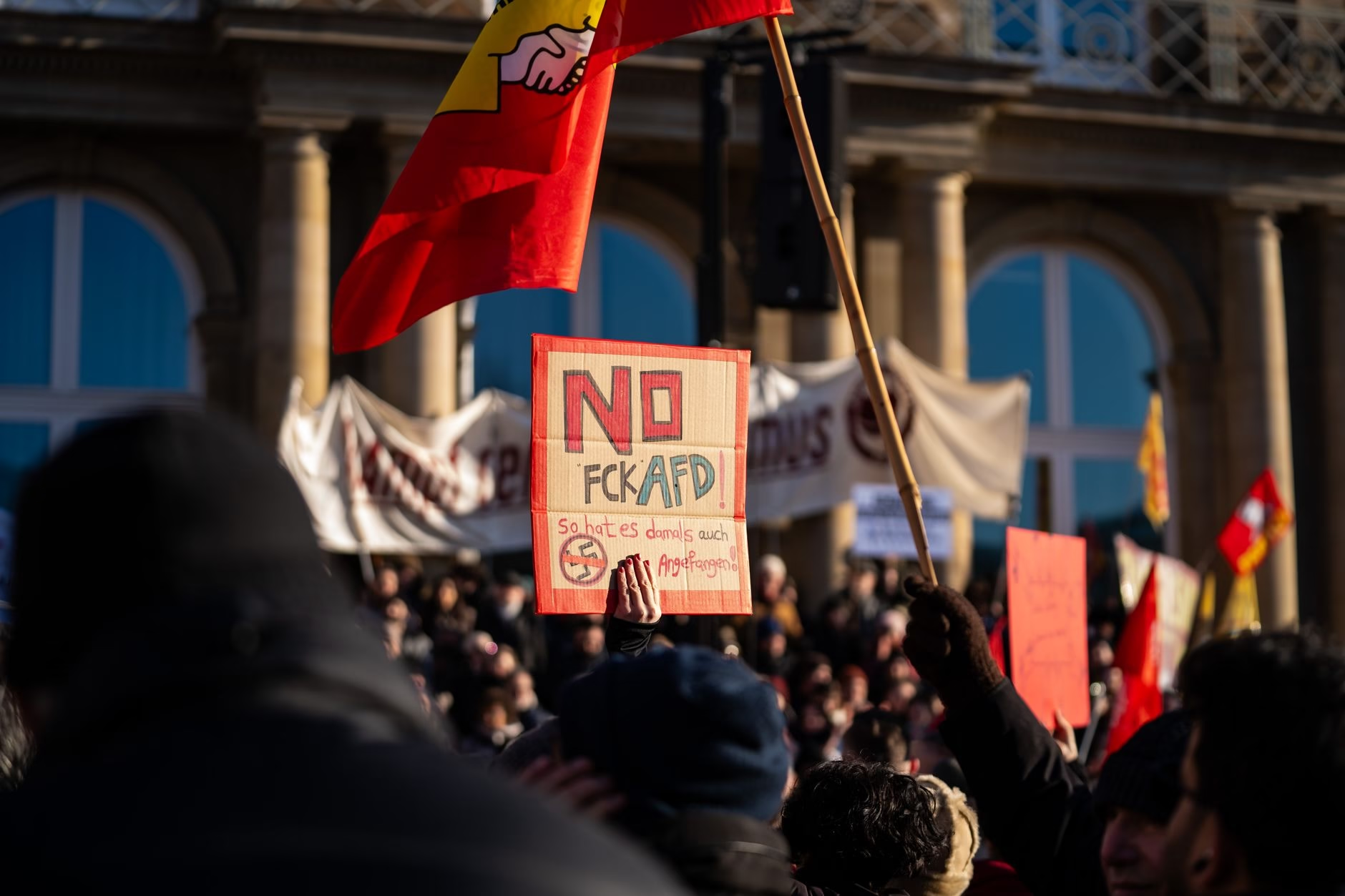
Political Controversy in Germany
Germany is currently experiencing a wave of severe political backlash following controversial remarks made by a prominent politician from the far-right Alternative for Germany party. The backlash erupted after the official suggested that personal firearms could play a critical role in enforcing large-scale deportations across the nation.
Context of the Remarks
The statements were made during a public gathering where immigration policy and border security took center stage. The politician addressed the ongoing debate regarding foreign nationals residing in the country without valid legal status. While outlining extreme measures to accelerate removal processes, the speaker introduced the contentious notion of arming citizens or relying on armed enforcement to ensure compliance with deportation orders.
Immediate National Reaction
Mainstream political figures, civil rights organizations, and community leaders swiftly condemned the rhetoric. Critics argued that the statements crossed a dangerous line by promoting vigilantism and inciting potential violence against minority communities and immigrants. Opposition leaders called for an immediate investigation by legal authorities to determine whether the comments violated laws prohibiting incitement to hatred and public endangerment.
Implications for the Political Landscape
The Alternative for Germany party has steadily gained traction in various regional polls, largely driven by public anxiety over immigration and integration. However, extreme proposals of this nature often deepen social polarization. Analysts suggest that while the rhetoric may appeal to the party’s hardline base, it risks further isolating the organization from mainstream coalition partners, cementing its status as a pariah in federal politics.
Broader Debate on Immigration Enforcement
Germany has struggled for years to balance humanitarian obligations with the practical challenges of deporting individuals whose asylum claims have been legally rejected. Existing laws strictly regulate law enforcement procedures and the monopoly on violence held by the state. Introducing the concept of weapons in connection with civil enforcement challenges the core constitutional principles of the German republic, prompting renewed calls for vigilance among defenders of democratic institutions.





















Leave a Reply