


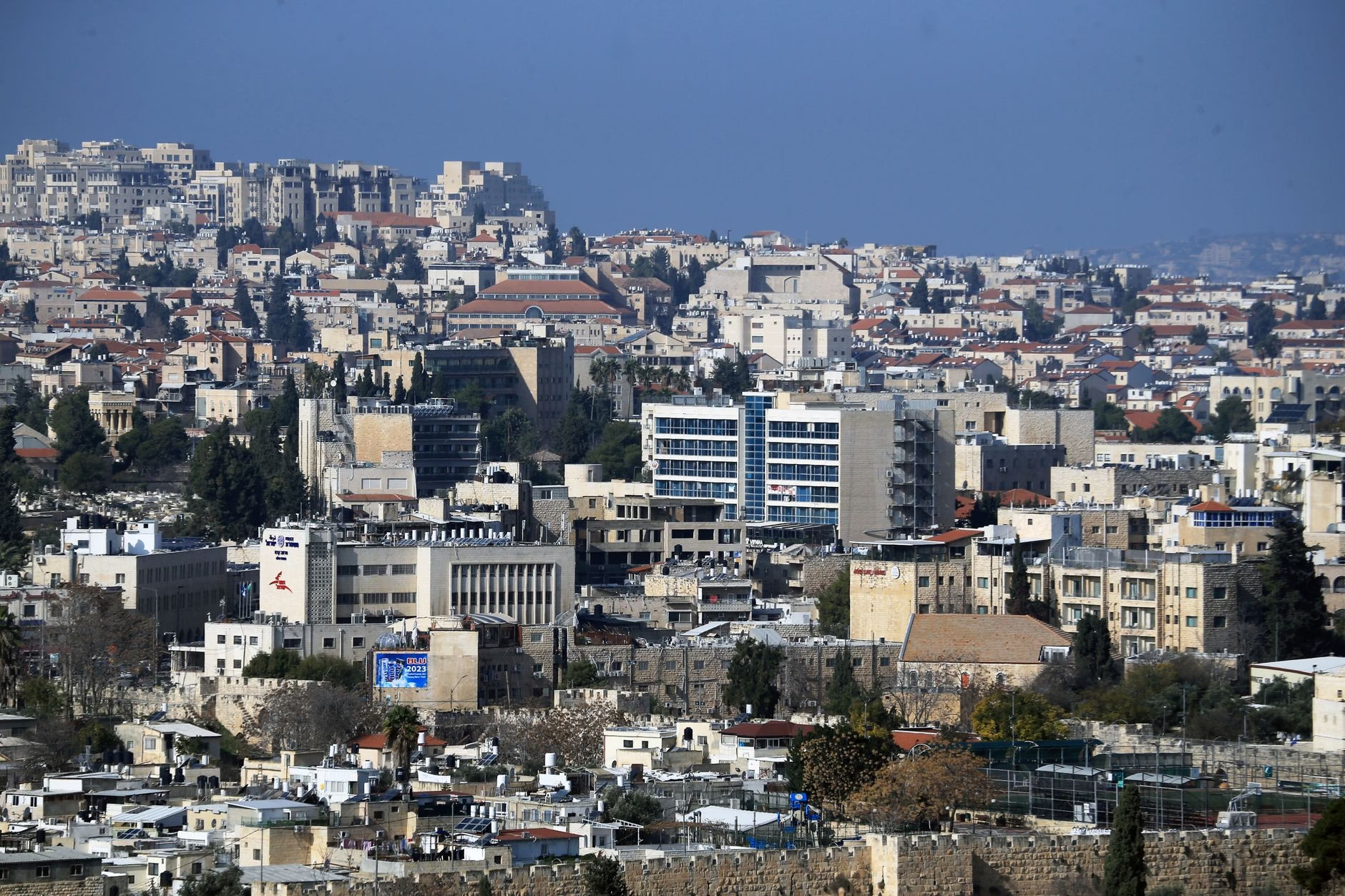
Diplomatic tensions between international allies have escalated significantly following a decisive policy directive issued by the Israeli government regarding foreign diplomatic missions operating within disputed territories.
Background of the Diplomatic Dispute
The government in Tel Aviv has formally instructed the United Kingdom to shutter its diplomatic consulate located in East Jerusalem within a strict thirty-day window. This unexpected mandate marks a sharp escalation in regional diplomacy and directly challenges the traditional operating procedures of foreign embassies and consulates maintaining independent channels within the contested municipal boundaries.
East Jerusalem remains a core area of geopolitical sensitivity. The international community largely views the territory as occupied land, while the Israeli government considers the entire city its undivided capital. Foreign missions often navigate this complex environment by maintaining separate diplomatic representations that deal specifically with the Palestinian territories, operating independently from embassies accredited to the Israeli state.
Implications for UK Foreign Policy
British foreign office officials are currently reviewing the directive and assessing the potential ramifications for bilateral relations and regional diplomatic engagement. The UK consulate in East Jerusalem has historically served as a vital hub for diplomatic communication, humanitarian oversight, and consular services directed toward the Palestinian population.
Complying with the thirty-day deadline would require a major restructuring of British diplomatic presence in the region. Alternatively, refusing the demand risks severe diplomatic repercussions and potential retaliatory measures from the host government, which could impact broader cooperation between the two nations.
Broader Regional Reactions
Regional stakeholders are closely monitoring the unfolding situation as other nations with similar consular setups evaluate whether they might face comparable ultimatums. The European Union and various international bodies have consistently maintained that the status of Jerusalem must be resolved through direct negotiations between Israelis and Palestinians rather than unilateral administrative actions.
As the thirty-day countdown begins, diplomats from both London and Tel Aviv are engaged in urgent behind-the-scenes discussions to determine a viable path forward. The outcome of this standoff could set a crucial precedent for how foreign nations conduct diplomatic relations within disputed urban centers moving into the future.



















Leave a Reply