


Introduction to the Botanical Discovery
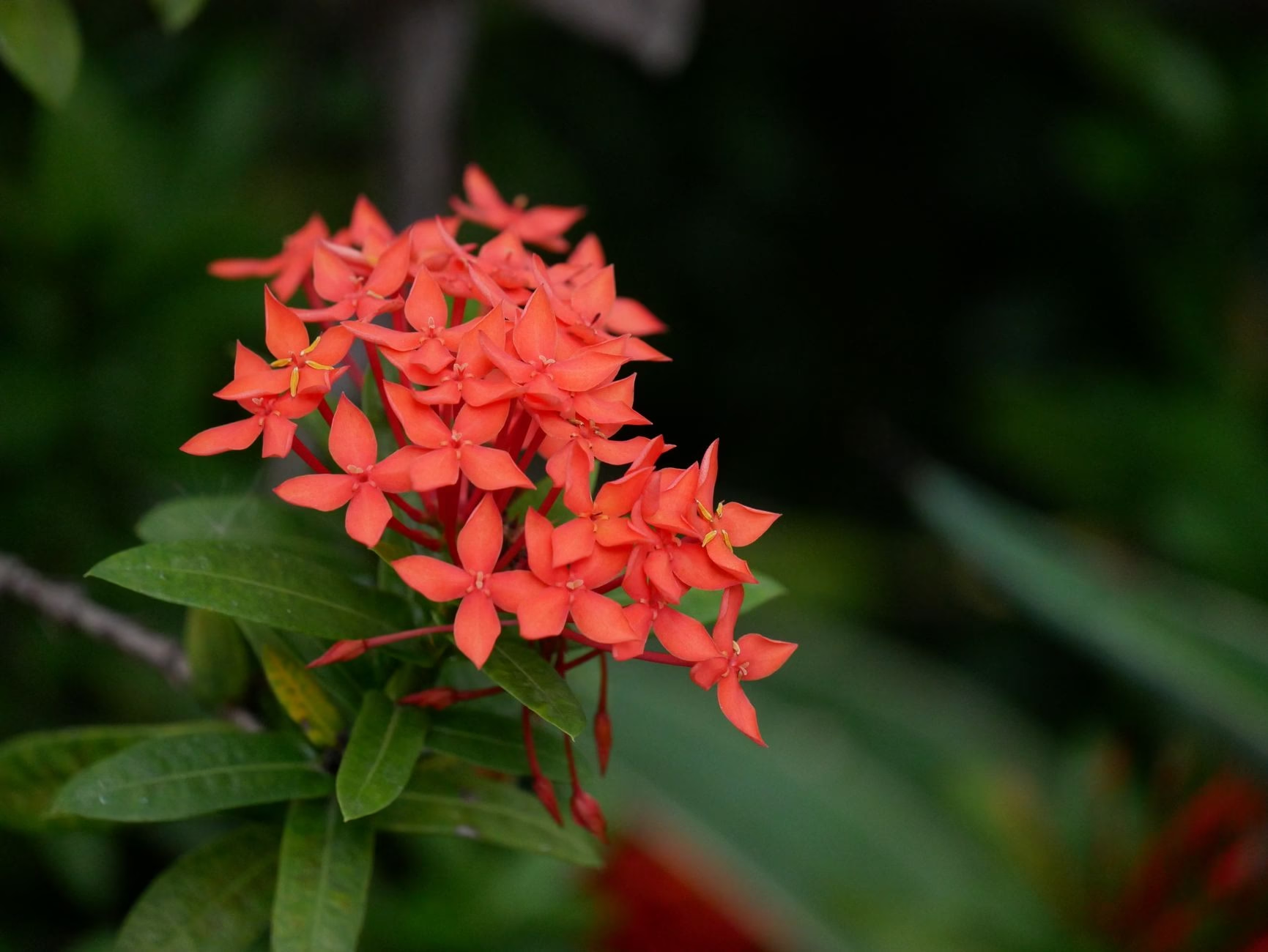
Researchers and nature enthusiasts have been captivated by a remarkable botanical find in Thailand. Often referred to as the devil flower due to its striking resemblance to mythical creatures, this unique plant has sparked widespread interest within the scientific community. The discovery highlights the incredible diversity of plant life in Southeast Asian ecosystems and offers new avenues for ecological study.
Physical Characteristics of the Devil Flower
What sets this specimen apart is its distinct morphology. The plant features dark, brooding petals and prominent protrusions that strongly resemble demonic horns. These unusual structures are not merely for aesthetic intrigue; botanists believe they serve specific evolutionary purposes. Such adaptations typically aid in defense against herbivores or assist in specialized pollination processes within the dense forest habitats where the plant thrives.
Habitat and Ecological Significance
Native to the humid, shaded regions of Thailand, the devil flower flourishes in environments that receive limited direct sunlight. This preference for understory conditions has kept the species hidden from casual observers for generations. Understanding the ecological role of this peculiar plant helps conservationists map out the complex biodiversity networks of the region, ensuring that rare species receive adequate protection against habitat loss.
Scientific Curiosity and Future Research
As botanists continue to analyze the genetic makeup and physical traits of the devil flower, more secrets are expected to come to light. Researchers plan to study its growth cycles, reproductive habits, and chemical defenses. This ongoing research will provide deeper insights into how unique flora adapt to challenging tropical climates, cementing the significance of this fascinating Thai discovery in modern botanical history.






















Leave a Reply