


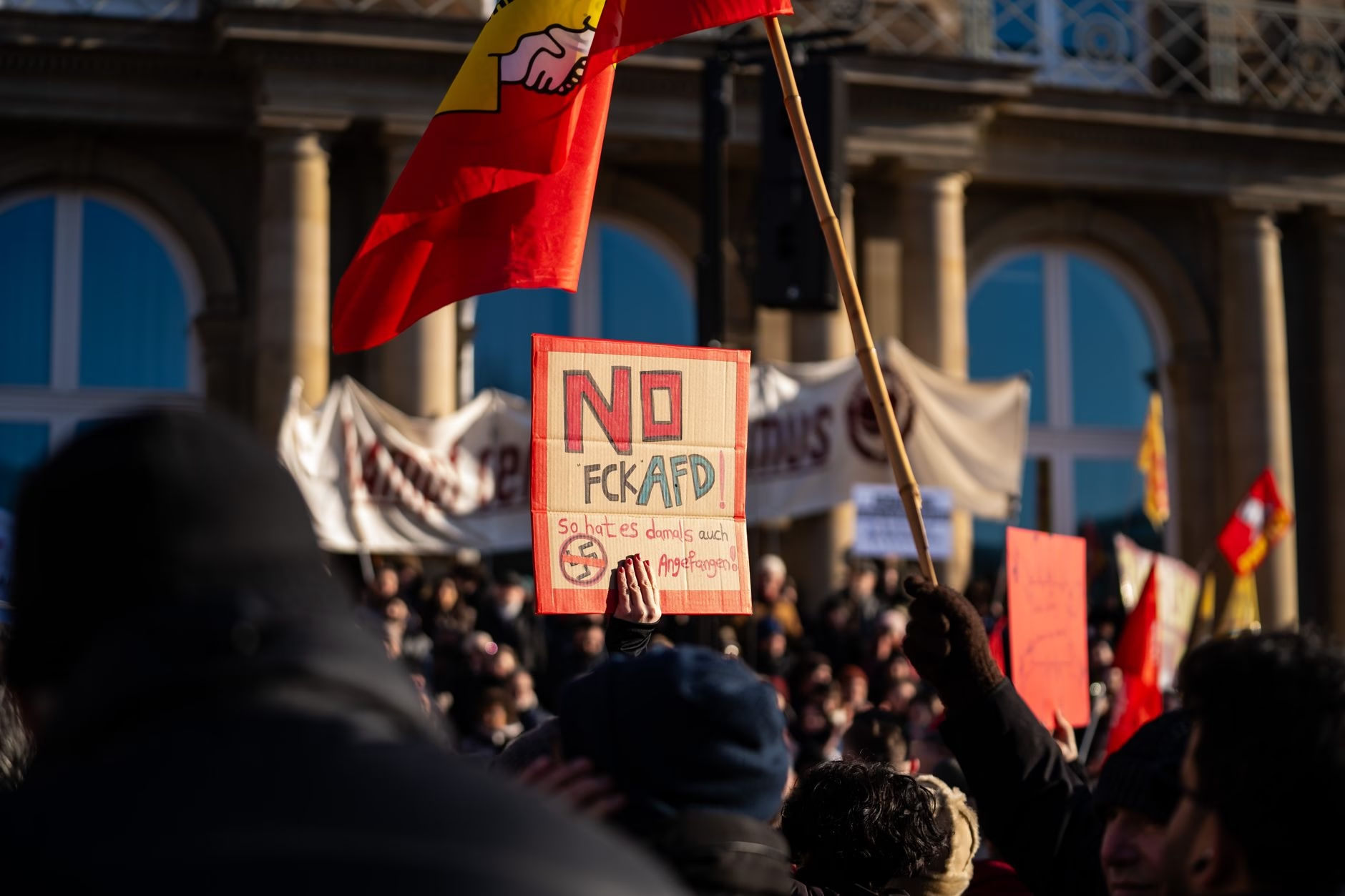
The Political Landscape of Modern Germany
Modern European politics is undergoing significant shifts, and Germany is no exception. For decades, the nation maintained a stable political equilibrium anchored by centrist parties that forged predictable coalitions. Today, that traditional model faces persistent challenges from emerging political movements. The shifting sentiments of the electorate are creating new dynamics that compel established leaders to rethink their strategies.
Understanding the Alternative for Germany
At the center of this electoral evolution is the Alternative for Germany, commonly known as the AfD. Founded a little over a decade ago, the party has steadily expanded its influence across various federal states. Its platform emphasizes strict immigration controls, skepticism toward European integration, and a critical view of conventional economic and energy policies. By voicing the concerns of citizens who feel alienated by mainstream governance, the party has secured a dedicated voter base.
Electoral Breakthroughs and Regional Gains
The most notable indicator of this political shift is the party’s performance in regional parliaments. In several eastern states, the movement has achieved substantial vote shares, disrupting traditional coalition math. These victories have transformed the party from a marginal political actor into a formidable force that mainstream parties can no longer easily isolate. Regional election outcomes increasingly signal a broader national discontent that resonates far beyond local boundaries.
Reactions from Established Political Parties
Mainstream political organizations in Berlin are grappling with how to respond to the growing popularity of the nationalist movement. Traditionally, established parties maintained a strict firewall, refusing any form of cooperation or coalition building with the insurgent party. While this cordon sanitaire remains the official policy for national leadership, local and regional debates occasionally test these boundaries as governance becomes increasingly complex.
Policy Shifts and Public Discourse
The growing electoral weight of the AfD has inevitably influenced the broader political discourse in Germany. Mainstream parties have adjusted their own policy proposals, particularly concerning border security, integration, and national identity, to address voter concerns that the insurgent party brought to the forefront. This reactive positioning demonstrates how the presence of a strong alternative party can pull the entire political spectrum toward its key issues.
Economic and Social Implications
Beyond electoral politics, the rise of the nationalist movement carries implications for Germany’s economic stability and social cohesion. Business leaders have expressed concern that polarized political debates and anti-immigration stances could deter international talent and investment, which are crucial for the country’s industrial sector. At the same time, societal debates regarding cultural identity and national values have intensified, reflecting deep divisions among the populace.
Looking Ahead at Future Elections
As Germany prepares for upcoming electoral cycles, the trajectory of the political system remains uncertain. The ability of traditional parties to address economic anxieties and governance challenges will largely determine whether the alternative movement continues its upward path. What is clear is that the old political certainty has given way to a new era of fragmentation, forever altering how power is contested and exercised in Europe’s largest economy.





















Leave a Reply