


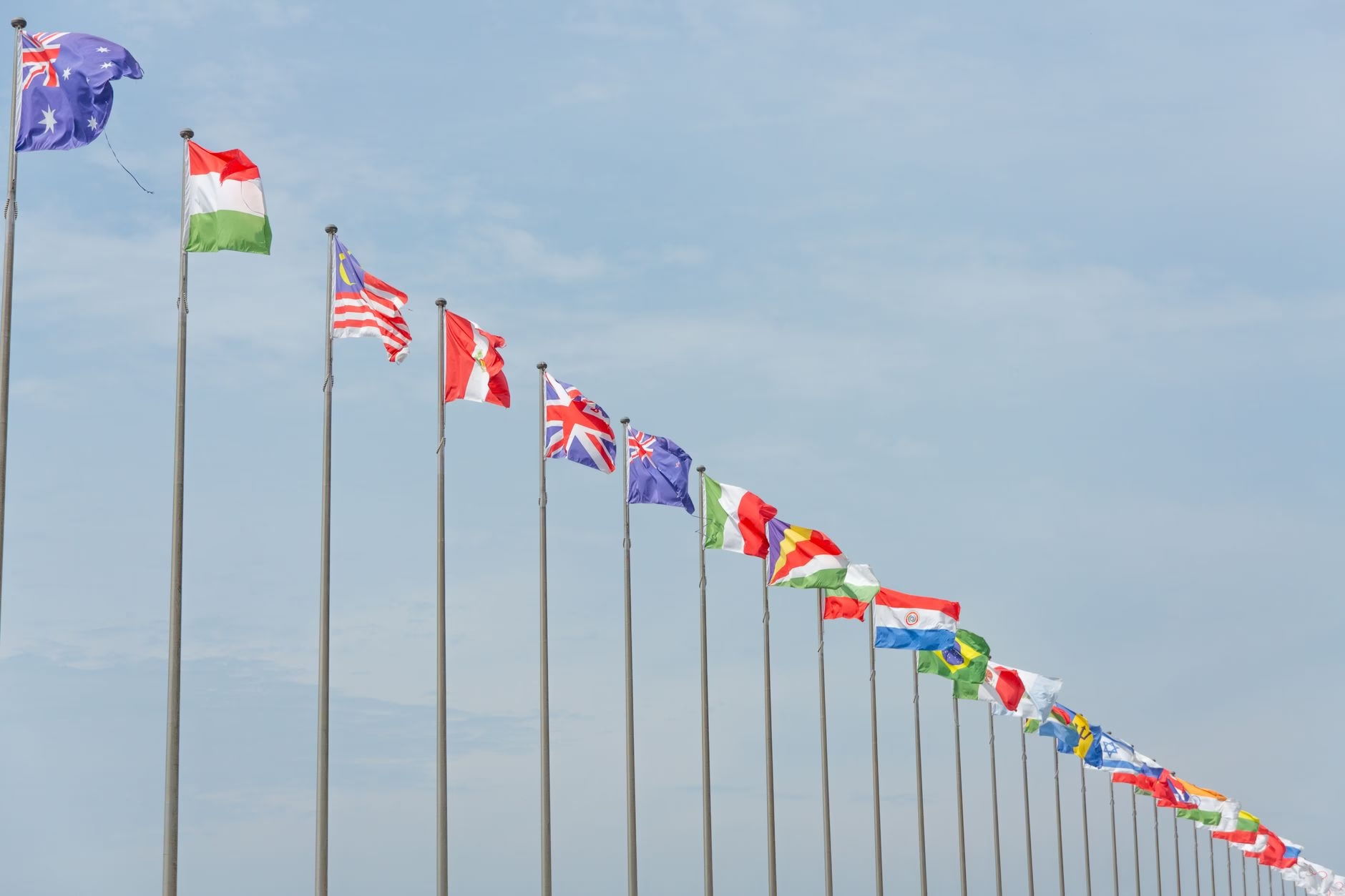
International Relations and Strategic Shifts
Global diplomacy is currently entering a transformative phase as leaders from the Gulf region engage in high-level state visits to key world capitals including Berlin and Beijing. These diplomatic missions underline a deliberate strategy to diversify political alliances, secure robust economic partnerships, and navigate an increasingly complex geopolitical landscape. Rather than relying on traditional bilateral frameworks, regional leaders are actively forging new pathways for cooperation that extend far beyond energy exports.
The Strategic Importance of Berlin
European capitals, particularly Berlin, hold immense value for Gulf states seeking technological advancement, sustainable energy solutions, and diversified trade. Germany remains an industrial powerhouse in Europe, making it an ideal partner for long-term investments in green technology, infrastructure, and advanced manufacturing. Discussions during these European visits frequently center on renewable energy transitions, hydrogen fuel development, and vocational training programs aimed at supporting economic diversification goals back home.
Expanding Influence in Beijing
Simultaneously, diplomatic engagements in Beijing highlight the rising importance of Asian markets in the global economic architecture. China is a major trading partner for the Gulf, absorbing significant volumes of energy resources while exporting a wide array of manufactured goods, technology, and consumer products. Beyond commerce, these high-level meetings in China focus on infrastructure projects, telecommunications, and digital economy initiatives. By strengthening ties with Beijing, Gulf nations are positioning themselves as central hubs in global supply chains and trade networks.
Balancing Partnerships in a Multipolar World
As the international order shifts toward a multipolar framework, Gulf diplomacy is characterized by strategic autonomy. Leaders in the region are adept at maintaining balanced relationships with multiple global powers simultaneously. This approach allows them to safeguard national interests, attract foreign direct investment, and mediate complex regional issues. By engaging robustly with both Western democracies and Eastern economic giants, Gulf nations are demonstrating a sophisticated understanding of modern international relations.
Economic Diversification and Domestic Impact
At the core of these diplomatic overtures is a profound domestic transformation. Governments across the region are implementing ambitious economic reform agendas aimed at reducing reliance on hydrocarbon revenues. Partnerships forged in Berlin and Beijing directly support these national visions by facilitating knowledge transfer, research and development collaboration, and foreign capital inflows. Whether through acquiring advanced medical technology from Germany or expanding digital infrastructure cooperation with China, these international visits serve as vital catalysts for domestic growth.
Outlook for Future Global Engagement
Looking ahead, the active diplomatic posture of Gulf leaders is expected to remain a defining feature of international affairs. As new global challenges emerge, from climate change to technological disruption, the ability to build flexible and resilient partnerships will be paramount. The recent visits to Berlin and Beijing are not isolated events but rather part of a broader, sustained effort to chart an independent and prosperous course in a rapidly changing world.


















Leave a Reply