


Rising Tensions in the Middle East
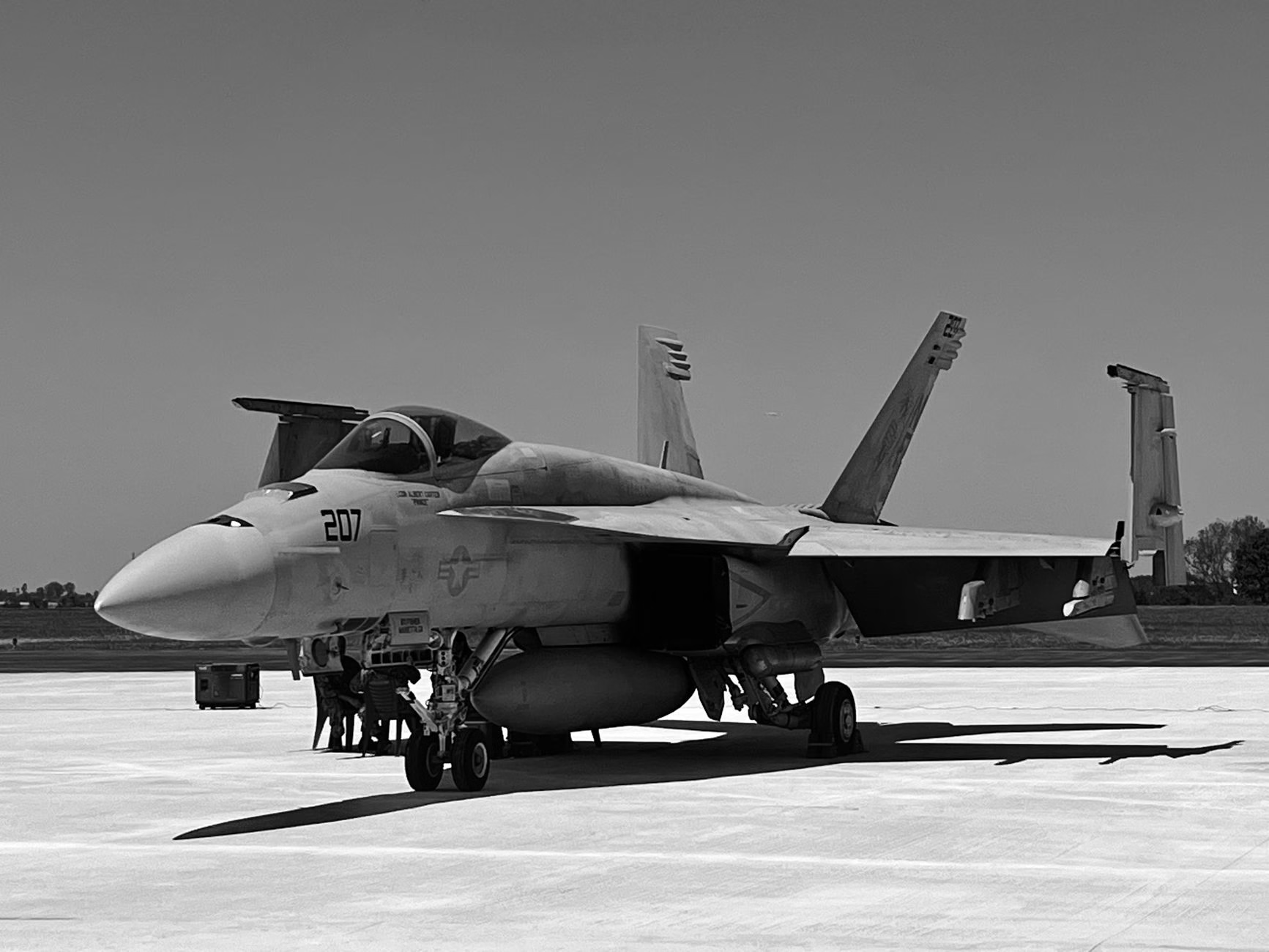
Geopolitical tensions in the Middle East have escalated significantly following recent military actions involving the United States and Iran. The situation has entered a volatile phase, with leadership in Tehran publicly committing to a strong response against recent American operations.
Threats to Regional Energy Infrastructure
In the wake of the military engagement, officials in Iran have pointed directly at American energy interests in the region. According to statements released by Iranian authorities, energy corporations and associated assets linked to the United States are now considered vulnerable. The rhetoric suggests a broader strategic shift aimed at targeting economic and industrial nodes rather than solely military positions.
Disruption of Gulf Shipping Lanes
Beyond direct threats to corporate infrastructure, the ongoing conflict is actively impacting maritime logistics. Reports indicate that restrictions are being placed on commercial shipping routes throughout the Persian Gulf. This vital waterway, essential for global petroleum transport, is experiencing increased operational hurdles and security precautions.
Pressure on Gulf Arab Nations
Neighboring oil-producing countries in the Gulf Arab region find themselves in a difficult position as the conflict intensifies. These nations rely heavily on the stability of local shipping corridors and energy markets for their economic well-being. The current hostilities have introduced substantial uncertainty into regional commerce, forcing local governments to navigate delicate diplomatic and security challenges.
Outlook for Global Markets
The convergence of military retaliation threats, constrained maritime traffic, and targeted energy infrastructure places considerable strain on international markets. Observers continue to monitor the situation closely as the potential for extended disruption threatens broader economic stability across the globe.





















Leave a Reply