


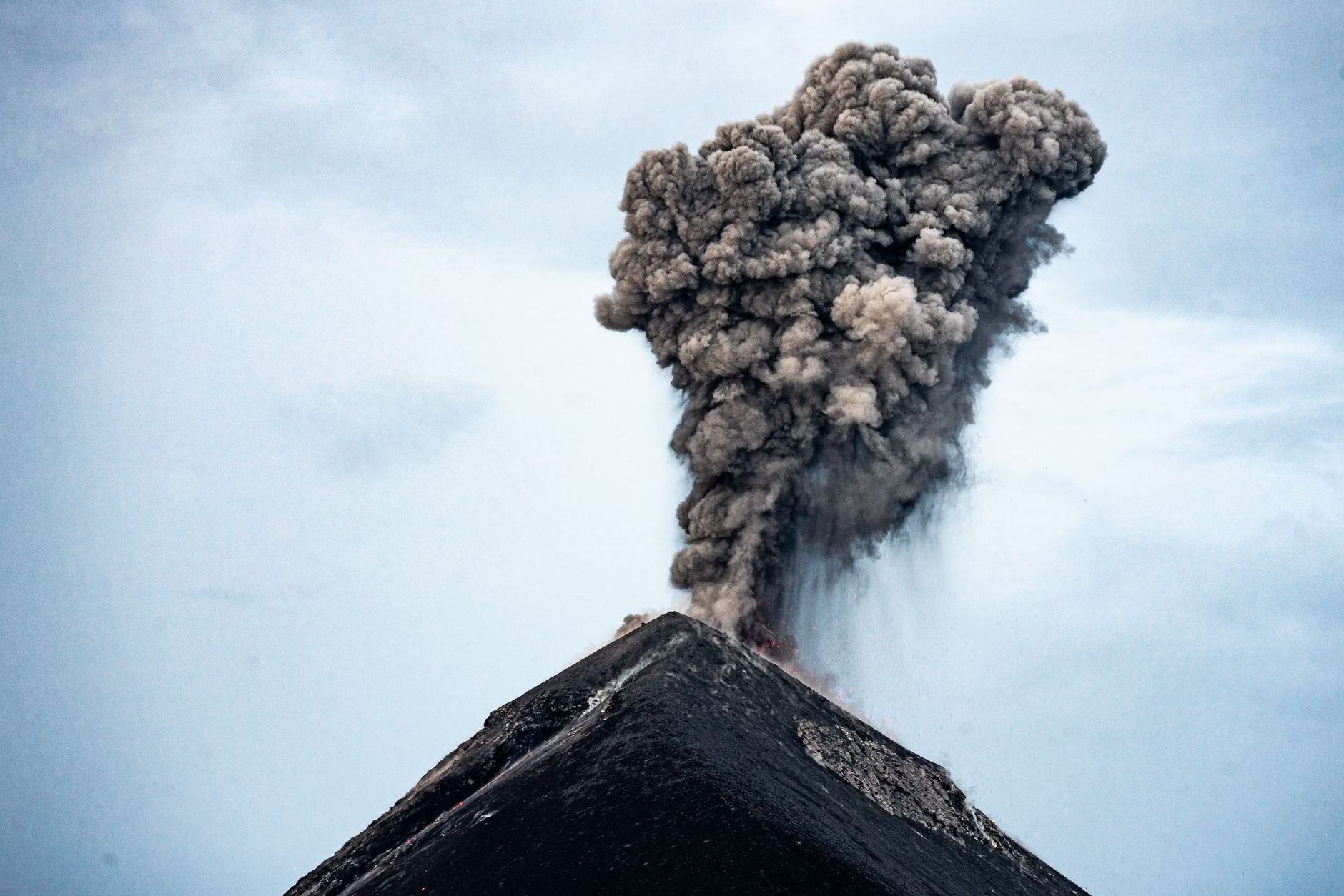
Aviation authorities in Indonesia have chosen to keep multiple airports closed even as the recent explosive activity from the Anak Krakatau volcano begins to subside. The decision reflects ongoing caution regarding microscopic ash particles lingering in the atmosphere, which pose severe risks to jet engines and visibility. Thousands of travelers continue to experience cancellations and delays as safety checks remain ongoing across the affected regions. Officials stress that reopening schedules depend entirely on comprehensive environmental assessments and favorable wind patterns. Understanding the Volcanic Threat Anak Krakatau has long been one of the most closely monitored geological formations in the region due to its history of sudden eruptions. When volcanic peaks expel ash high into the atmosphere, the resulting plumes drift across vital flight paths. Even when surface eruptions appear to calm down, suspended ash particles can remain airborne for extended periods. These abrasive materials can severely damage aircraft turbines, leading to catastrophic failures if ingested during flight. Consequently, aviation regulators maintain strict protocols that prioritize passenger safety over immediate commercial convenience. Regional Impact on Transportation Networks The closures have affected several domestic and international flight corridors, stranding passengers at major hubs and regional terminals alike. Local transport agencies have mobilized alternative transit options, including ferry services and long-distance buses, to help displaced travelers reach their destinations. Airlines are offering refunds and rescheduling options, though the sheer volume of affected routes has strained customer service centers. Tourism operators in nearby coastal areas are also feeling the economic pinch as visitors cancel or postpone their travel itineraries until normal operations resume. Government Response and Safety Measures Emergency response teams and disaster management agencies continue to maintain a high level of alertness around the Sunda Strait. Scientific teams are utilizing advanced radar and satellite monitoring to track the dispersion of volcanic debris in real time. Officials hold regular briefings with airline executives and airport operators to coordinate reopening phases safely. While pressure mounts to restore full commercial traffic, the government remains steadfast in its position that airspace will only clear when empirical data confirms zero risk to aviation. Outlook for Travelers Passengers holding tickets for flights to or through Indonesia over the coming days should check directly with their respective airlines before heading to the terminal. Travel insurance providers recommend reviewing policy details regarding natural disasters and volcanic disruptions. While the easing of the Anak Krakatau eruption offers a positive signal, the timeline for full recovery of the regional aviation network remains fluid. Authorities urge patience and compliance with official advisories as the situation normalizes.
Indonesia Aviation Disruptions Continue as Anak Krakatau Volcano Settles




















Leave a Reply