


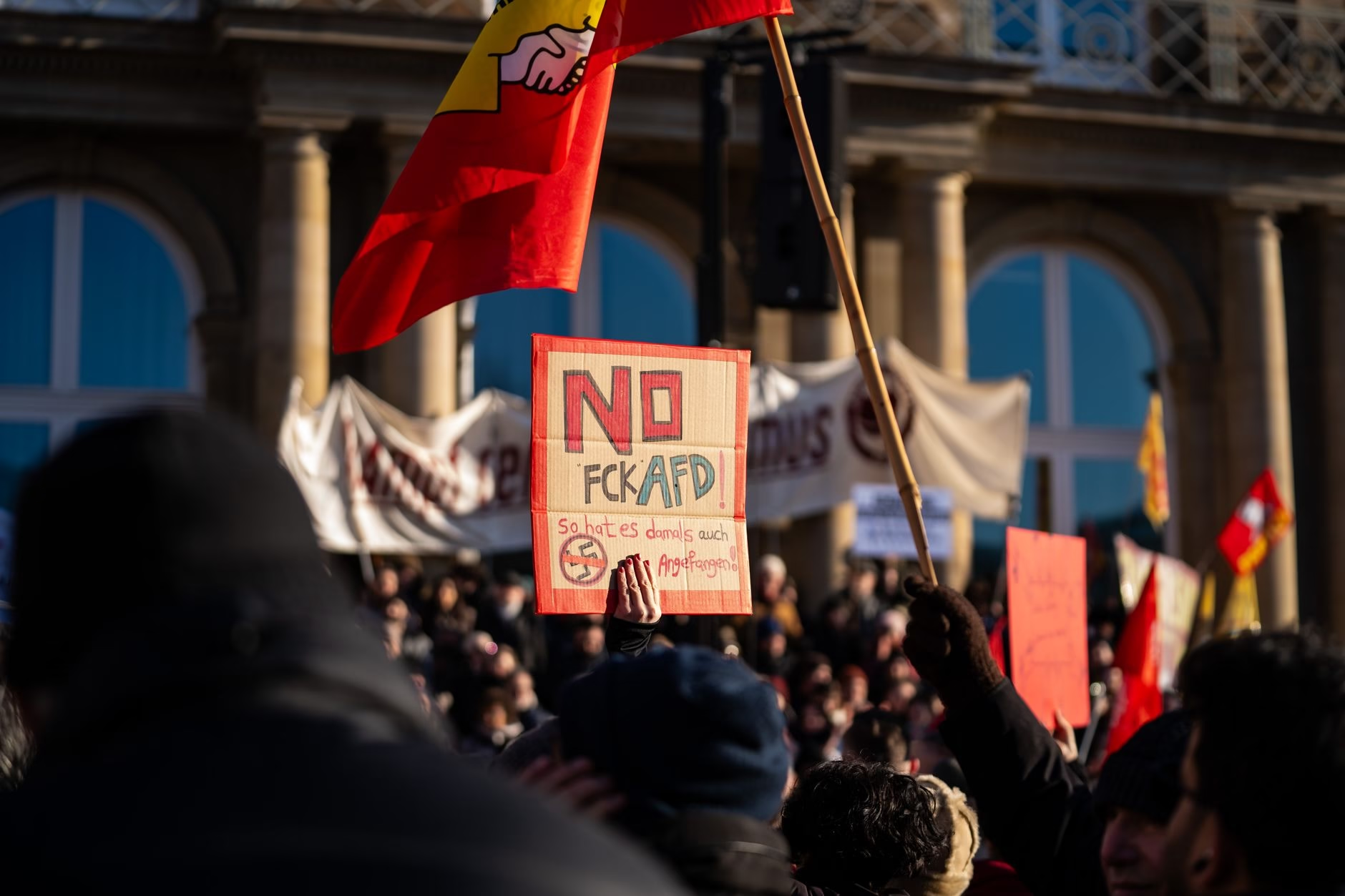
Political Landscape Shifts in Central Europe
The political landscape of Central Europe is experiencing a profound transformation. Recent electoral outcomes have brought significant changes to the legislative framework of the region’s largest economy. Voters headed to the polls in high numbers, reflecting a deep engagement with contemporary political debates and economic anxieties.
Understanding the AfD Triumph
The Alternative for Germany party has achieved a historic milestone in the latest legislative contest. Securing a leading position at the ballot box, the organization has surpassed traditional centrist rivals. This development marks a turning point in the nation’s post-war history, raising important questions about the direction of future governance and policy formulation.
Economic Anxieties and Voter Sentiment
Analysts point to several key drivers behind the shift in voter behavior. Economic stagnation, persistent inflation, and concerns regarding energy security weighed heavily on the electorate. Many citizens expressed frustration with the status quo, signaling a desire for alternative approaches to fiscal management and industrial strategy.
Immigration and National Identity
Immigration policy remained a central theme throughout the campaign cycle. The winning political faction capitalized on public debates surrounding border security, integration challenges, and national sovereignty. These themes resonated strongly with voters seeking stricter controls and a reevaluation of current administrative protocols.
Reactions from Established Political Forces
Mainstream political organizations are currently assessing the impact of the election results. Coalition negotiations are expected to be complex and protracted, as traditional parties grapple with how to respond to the surge in support for anti-establishment movements. The formation of a stable administration will require careful diplomacy and potential compromises among ideological opponents.
International Implications for the European Union
Neighboring states and international partners are monitoring the situation closely. As a founding member and economic powerhouse within the European Union, political shifts in this nation carry significant weight for broader regional cooperation. Observers are evaluating how a new governing alignment might influence continental policies, trade agreements, and security frameworks.
Looking Ahead to Future Governance
The coming weeks will be critical as political leaders navigate the aftermath of the vote. Whether the winning party can translate its electoral success into tangible governing power remains to be seen. The unfolding political scenario will undoubtedly shape the trajectory of domestic policy and international relations for years to come.




















Leave a Reply