


International Diplomacy and Nuclear Oversight
Recent developments on the global diplomatic stage indicate a coordinated effort by several major world powers to address ongoing concerns regarding nuclear programs. Officials from multiple Western nations have signaled a firm stance on compliance matters, emphasizing the importance of adherence to international treaties and established monitoring frameworks.
Escalating Tensions Over Nonproliferation
Reports emerging from diplomatic circles reveal that key governments are actively discussing stronger measures to address outstanding issues. Specifically, representatives from the United States, Britain, France, and Germany are aligning their strategies. The central focus of these discussions involves addressing what these nations characterize as a persistent failure by Tehran to meet its obligations under the nuclear nonproliferation framework.
Potential Actions at the United Nations
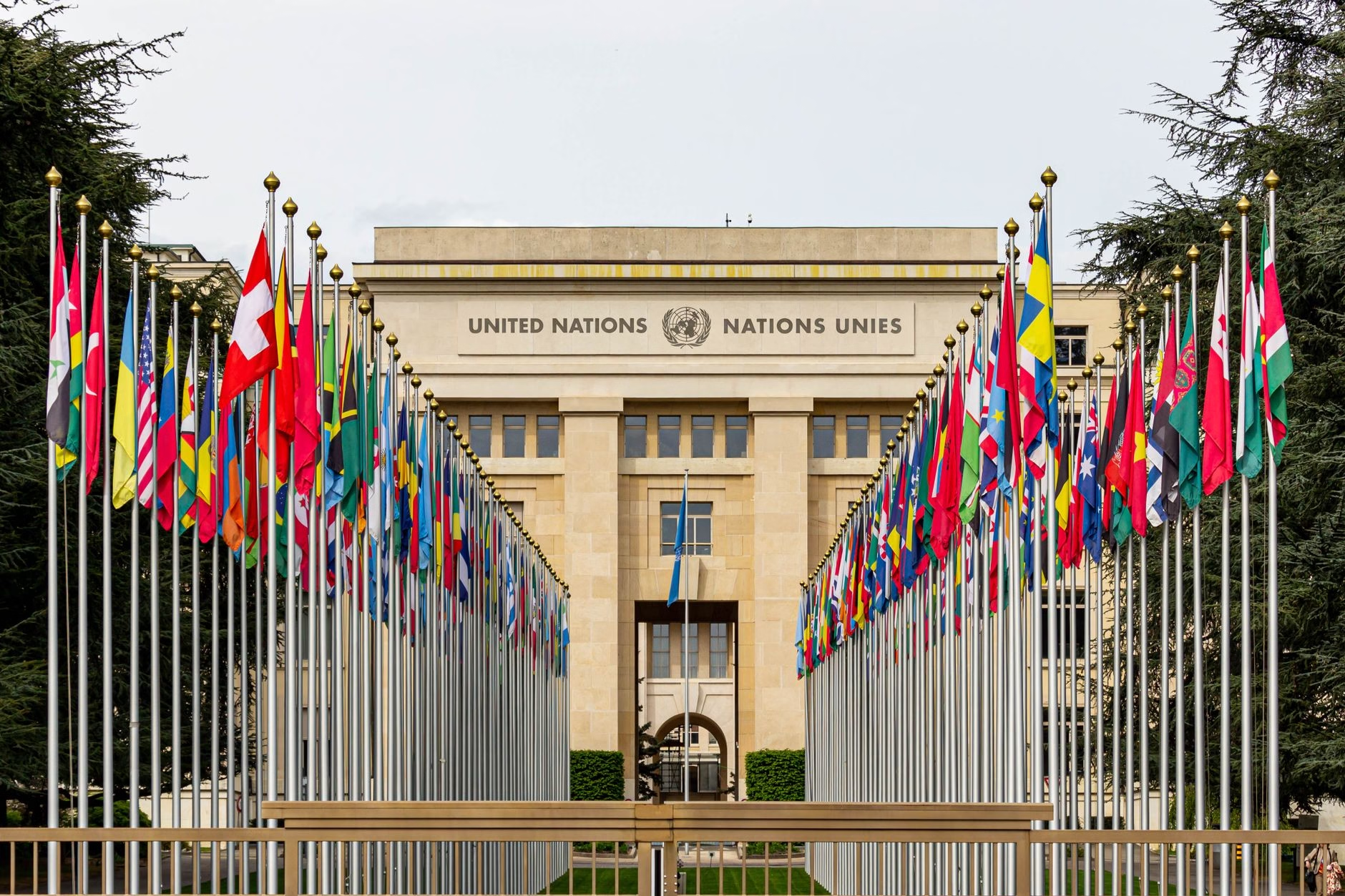
The coordinated diplomatic push points toward a formal escalation. Participating governments are now actively seeking to refer the matter directly to the United Nations Security Council. Such a move would elevate the issue to the highest international body responsible for maintaining global peace and security, potentially leading to broader international deliberations and policy responses.
Implications for Global Stability
The potential referral underscores the gravity with which Western allies view the situation. Compliance with international oversight mechanisms remains a cornerstone of global nonproliferation efforts. As diplomatic discussions continue to evolve, the international community watches closely to see how these coordinated measures will unfold at the United Nations.

























Leave a Reply