


Understanding Structural Vulnerabilities During Monsoons
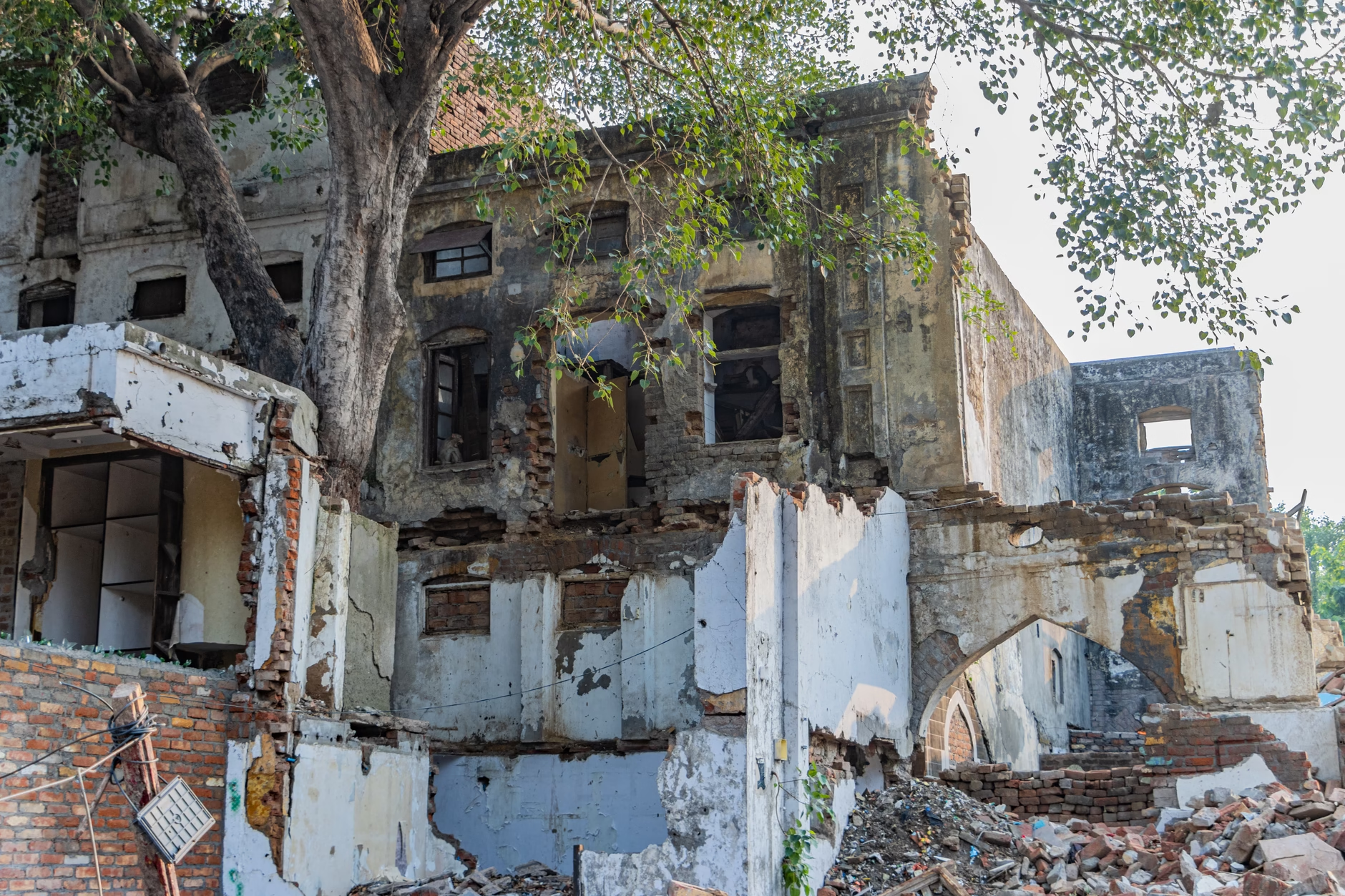
Building collapses remain a persistent and severe hazard in various regions across India, particularly during the monsoon season. Spanning from June through September, this period brings heavy and prolonged rainfall that continuously tests the structural integrity of the built environment. When persistent downpours saturate the ground and batter properties, older structures that lack proper maintenance are frequently pushed beyond their limits.
The Incident in the Capital
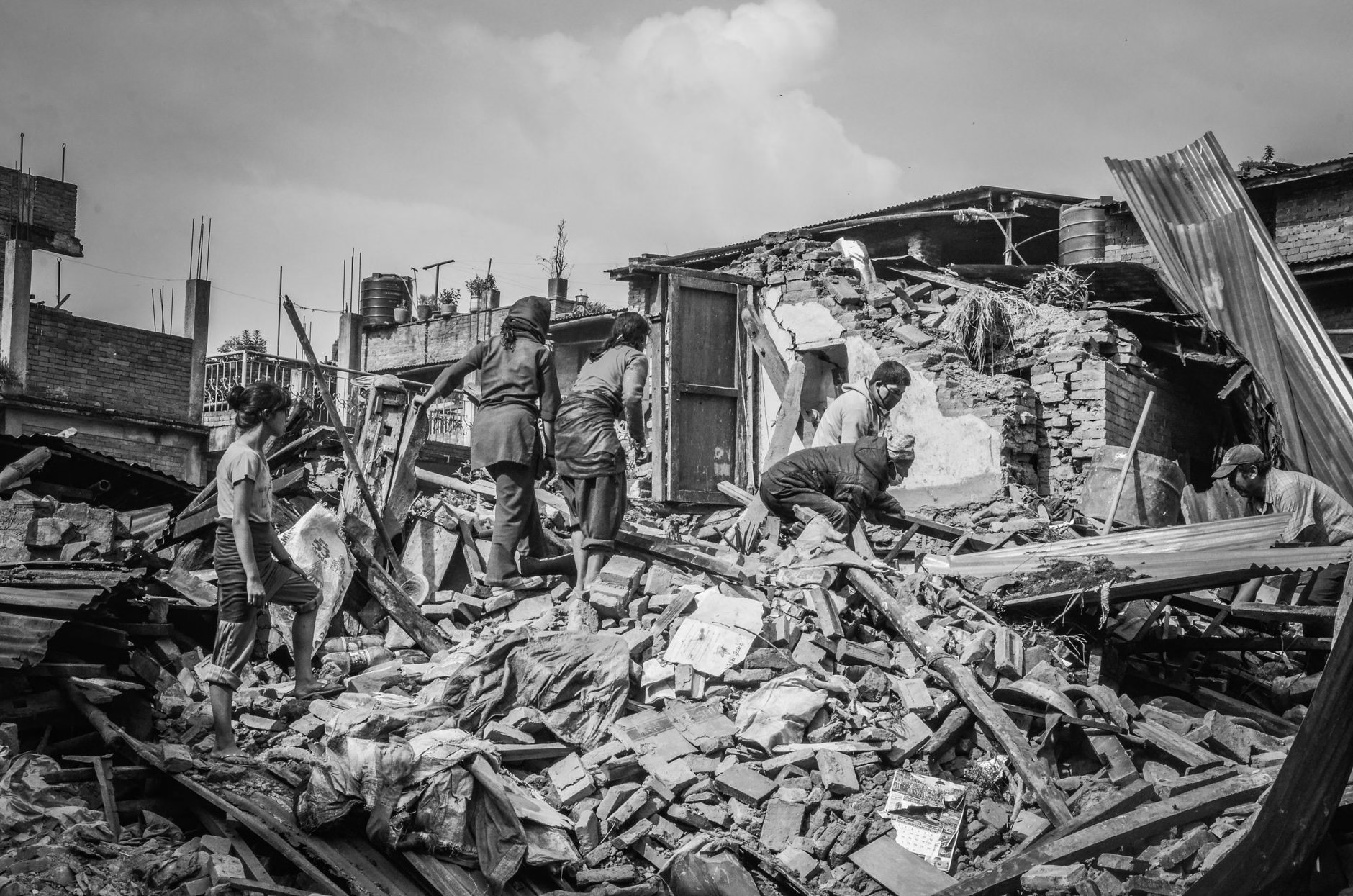
In New Delhi, a tragic structural failure recently unfolded, resulting in at least one fatality and leaving several other individuals trapped beneath the rubble. Emergency response teams and local authorities mobilized quickly to manage the crisis, launching rescue operations to locate survivors and secure the surrounding area. Incidents of this nature highlight the urgent dangers that compromised buildings pose to urban residents during severe weather events.
Seasonal Hazards and Aging Infrastructure
The intersection of heavy seasonal rains and aging infrastructure creates a dangerous environment in densely populated urban centers. Many older buildings suffer from material degradation, water seepage, and weakened foundations over time. Without proactive structural assessments and rigorous enforcement of building codes, these vulnerabilities often go unnoticed until a catastrophe occurs.
Mitigating Future Risks
Addressing this recurring public safety issue requires coordinated efforts between municipal authorities and property owners. Regular inspections before the onset of the heavy rain season can identify at-risk properties and prevent potential disasters. Strengthening safety protocols, improving urban planning, and enforcing maintenance standards are essential steps in protecting lives and reducing the frequency of structural failures during severe weather cycles.























Leave a Reply