


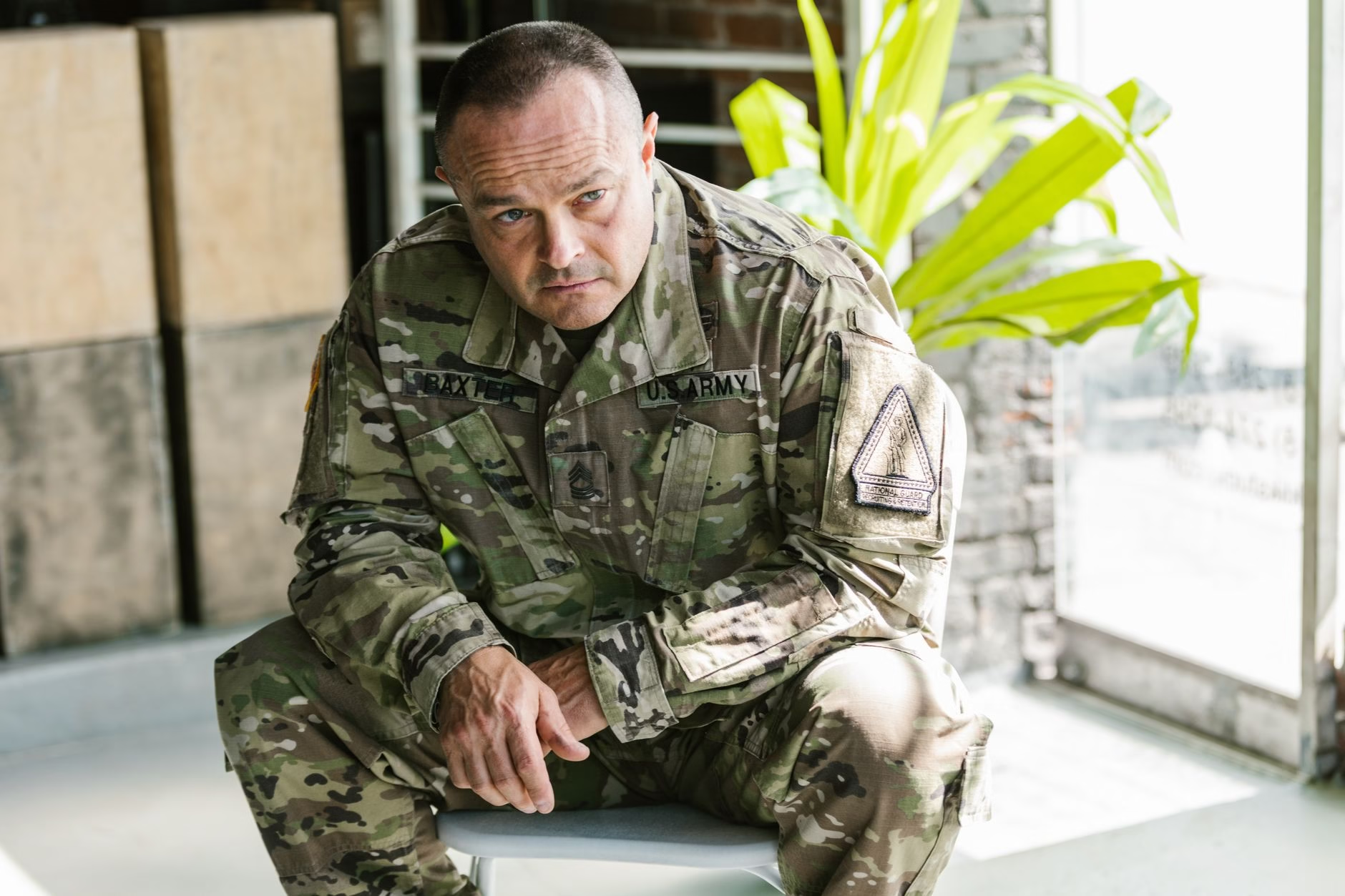
Leadership Stability in Question
The recent resignation of Army Secretary Dan Driscoll has sparked widespread discussions regarding the state of command within the United States military. Operating in high-pressure environments requires a delicate balance of strategic alignment and mutual trust between civilian leaders and military officials. When these relationships fracture at the highest levels, it can create ripples throughout the entire defense apparatus.
Clashes at the Top
Reports indicate that Driscoll stepped down following persistent disagreements with the head of the Pentagon. Such friction underscores the complex dynamics involved in modern defense management, where differing visions for strategic priorities can lead to significant institutional strain. Observers note that these internal disputes are increasingly coming to light, drawing intense scrutiny from lawmakers, defense analysts, and the public alike.
Implications for the Armed Forces
Transitions at the leadership level often introduce uncertainty into ongoing initiatives and long-term planning. The Army relies heavily on steady governance to manage complex readiness demands, personnel challenges, and modernization efforts. When a key official departs amid policy disputes, it raises valid questions about how effectively the organization can execute its core missions while navigating executive-level disagreements.
Path Forward for Defense Management
As the administration looks toward filling the vacancy, the focus turns to finding a successor capable of bridging divides and restoring organizational harmony. Effective communication and a shared operational philosophy will be vital for the incoming leader to steer the branch forward. Ensuring stability at the top remains essential for maintaining the operational readiness and morale of the armed forces in an increasingly complex global landscape.


















Leave a Reply