


Introduction to the Yemen Conflict
The ongoing civil war in Yemen remains one of the most complex and persistent security challenges in the modern era. Years of sustained fighting, political instability, and fractured governance have left the nation deeply divided. Despite intermittent diplomatic efforts and localized truces, active hostilities continue to flare up across multiple regions, severely impacting the daily lives of millions of citizens.
Historical Background and Key Factions
The roots of the current crisis trace back to prolonged political transitions and power struggles that escalated dramatically. The conflict primarily involves recognized government authorities supported by regional coalitions on one side, and opposition forces controlling major urban centers on the other. This power vacuum has also allowed various extremist factions and regional militias to establish footholds in different parts of the country, further complicating the prospects for a unified resolution.
Impact on Infrastructure and Economy
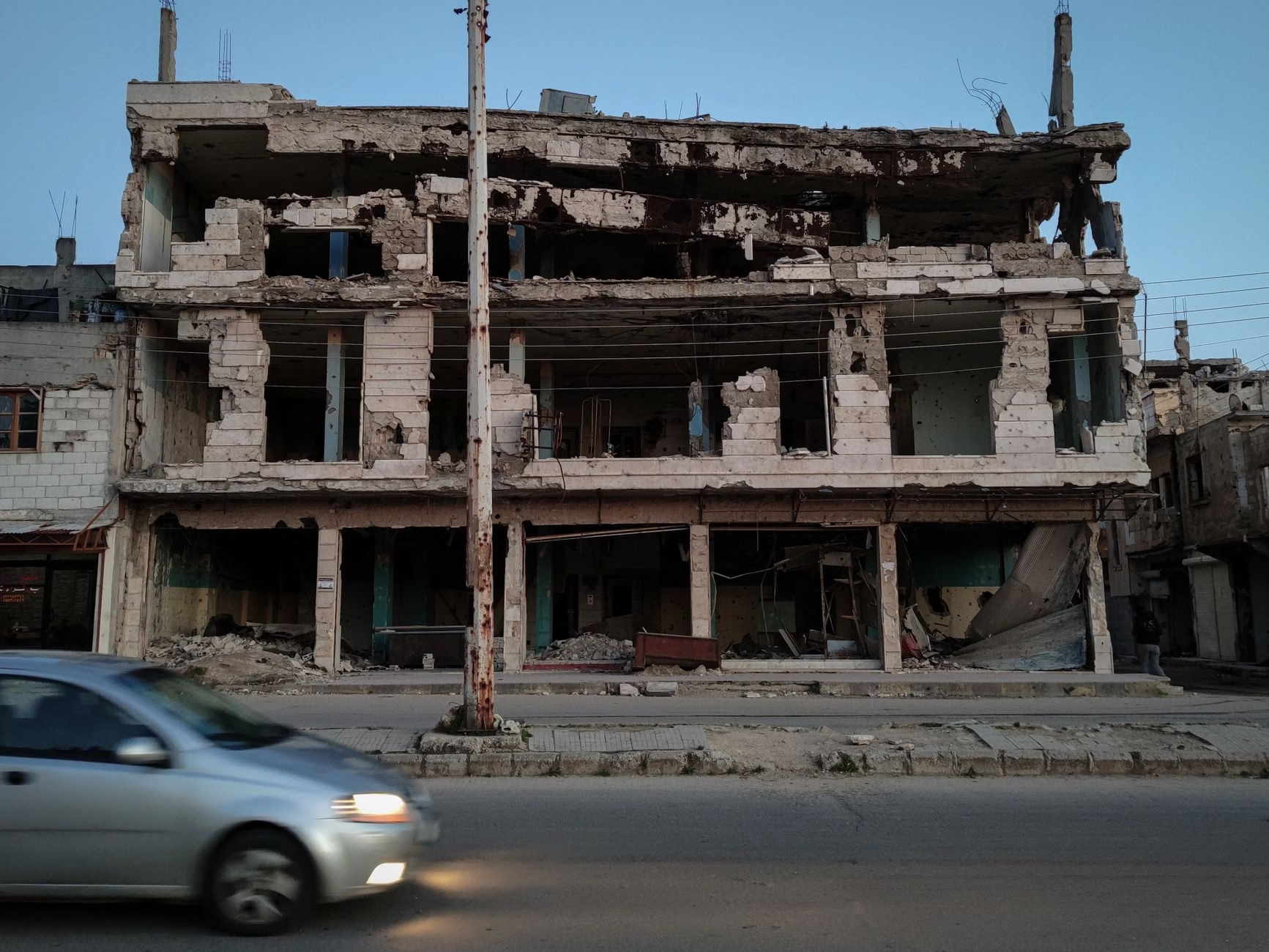
The protracted nature of the hostilities has devastated critical national infrastructure. Hospitals, schools, water treatment facilities, and transportation networks have suffered extensive damage or total destruction. Basic public services have largely collapsed in many areas, leaving populations without reliable access to electricity, clean water, and functioning healthcare systems. The national currency has faced severe depreciation, driving hyperinflation and pushing the vast majority of the population below the poverty line.
Humanitarian Crisis and Displacement
International aid organizations frequently describe the situation in the country as a severe humanitarian catastrophe. Millions of individuals remain displaced from their homes, living in makeshift camps or overcrowded urban shelters with limited resources. Food insecurity affects a significant portion of the populace, with malnutrition rates remaining critically high, particularly among young children and vulnerable demographics. Restrictions on the flow of commercial imports and humanitarian aid have historically hampered relief efforts, though international agencies continue to negotiate access corridors.
Regional and International Involvement
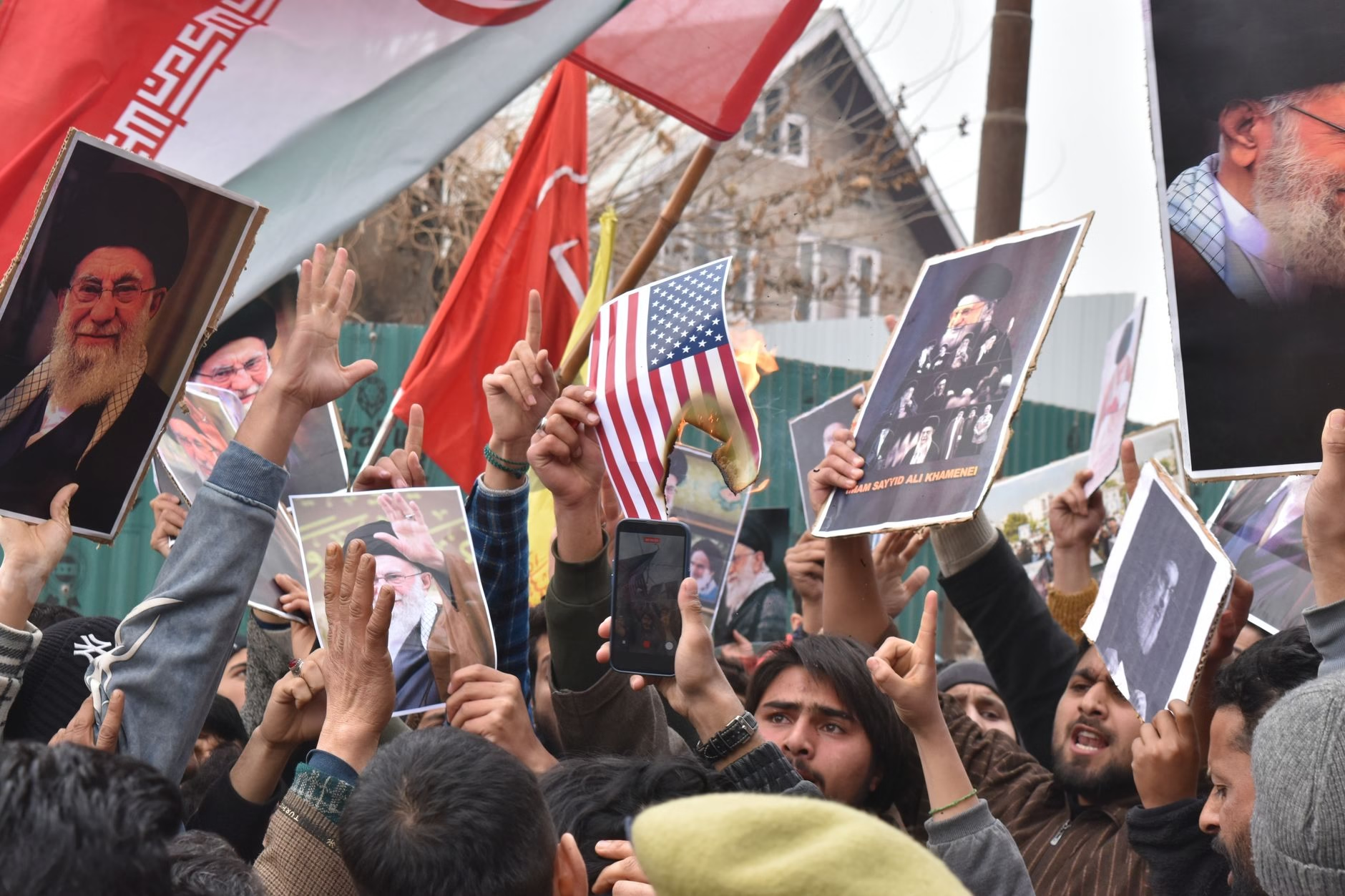
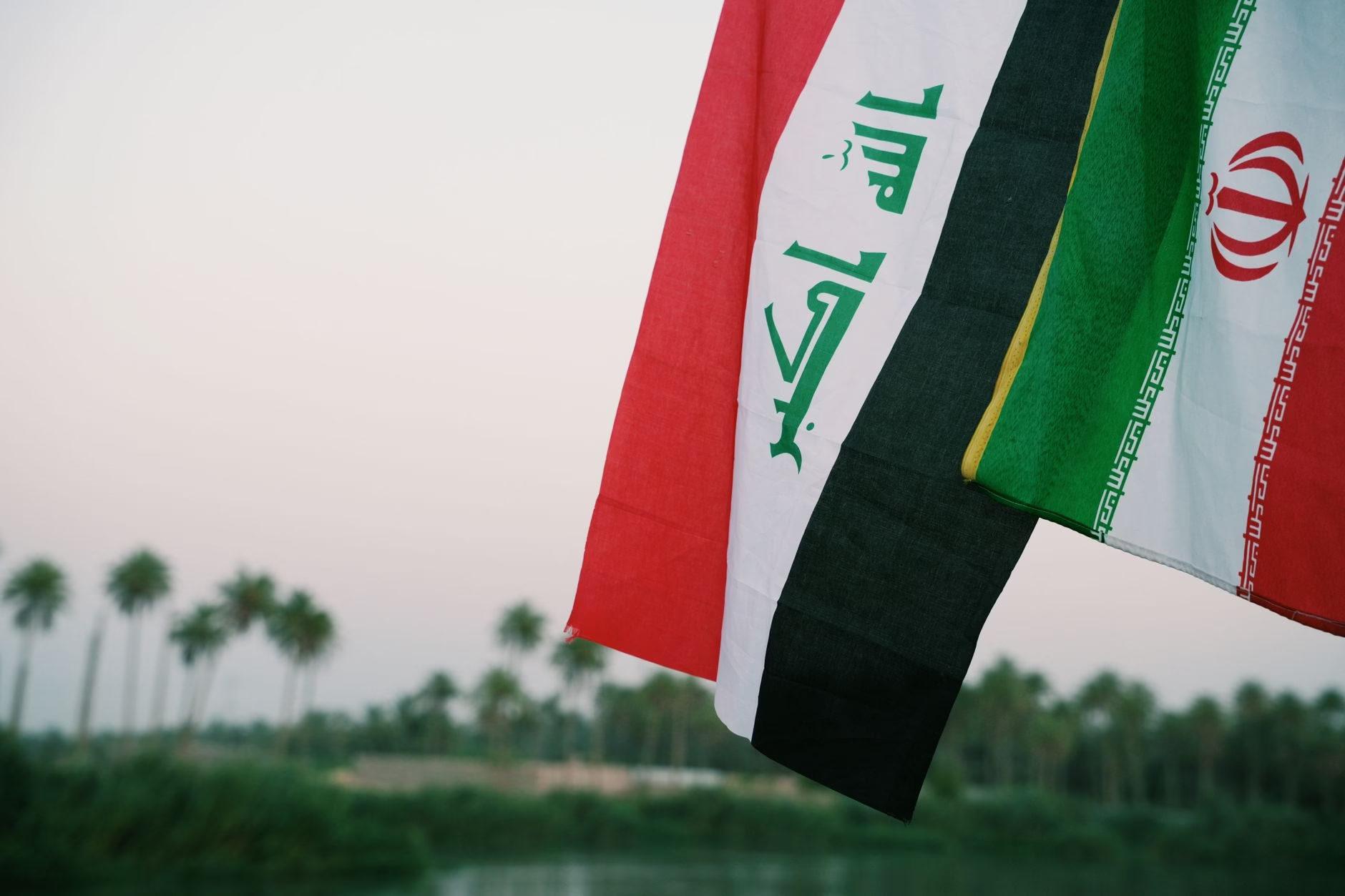
External actors have played a substantial role in shaping the trajectory of the conflict. Neighboring states and global powers have provided varying levels of financial, logistical, and military support to the primary domestic factions. Diplomatic initiatives led by the international community and regional mediators aim to broker a lasting ceasefire and initiate inclusive political dialogues. However, competing strategic interests and deep-seated mistrust between the warring parties have repeatedly stalled these peace processes.
Pathways Toward Peace and Reconstruction
Resolving the crisis requires a comprehensive political framework that addresses the root causes of the division and ensures equitable representation for all regional groups. Sustainable peace depends not only on a permanent cessation of hostilities but also on a massive international commitment to economic recovery and physical reconstruction. Until a durable agreement is reached, the population will continue to navigate the profound challenges of a fractured state and an uncertain future.




















Leave a Reply