


Strategic Maritime Shifts in Asia
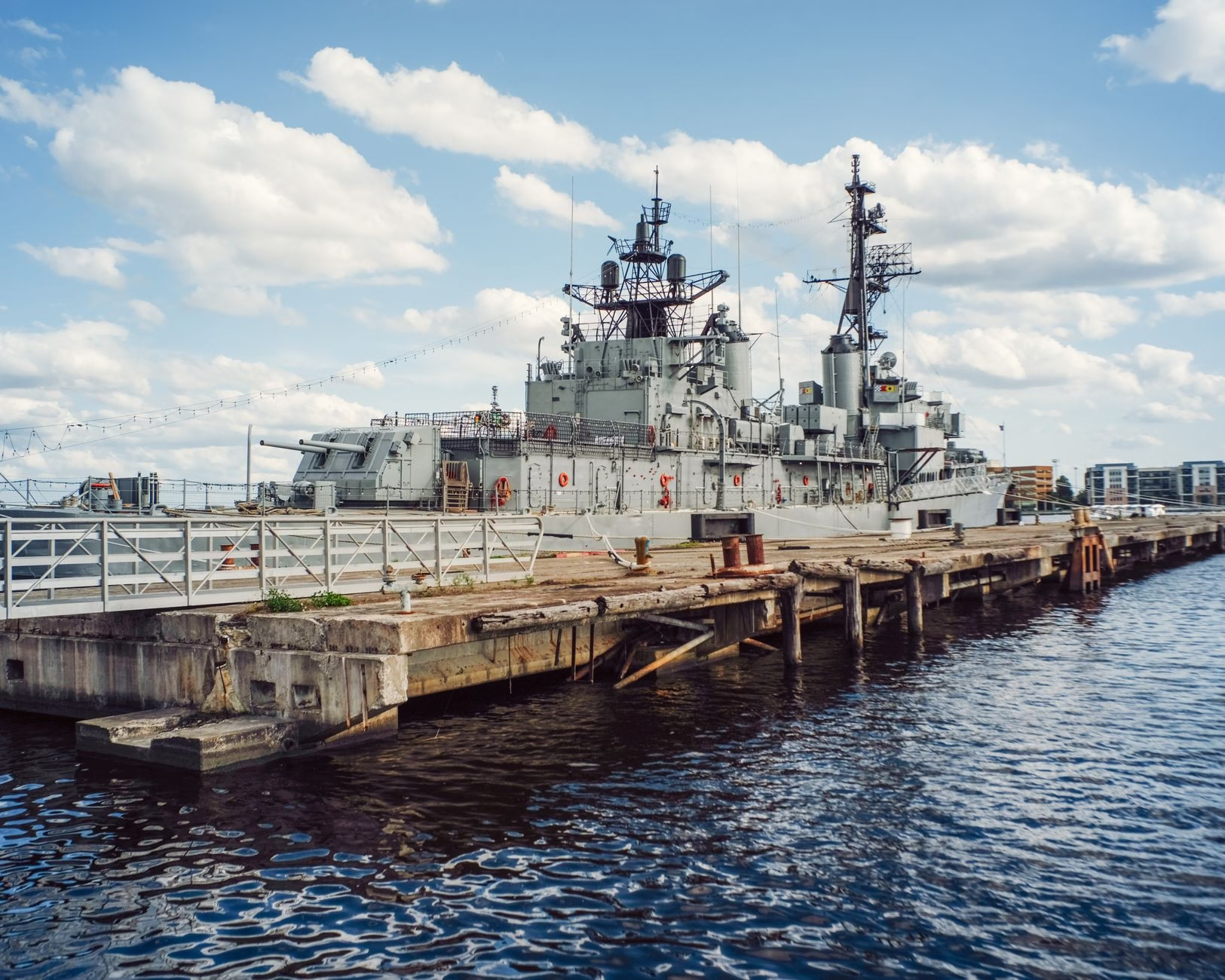
Japan is actively transforming its decommissioned naval vessels into vital instruments of foreign policy. By transferring retired warships to nations across Southeast Asia, Tokyo aims to bolster regional security partnerships and counter expanding geopolitical influences in contested waters.
The Evolution of Defense Aid
Traditionally, Japan maintained strict self-imposed restrictions on the export of defense equipment. Recent legislative and policy updates, however, have allowed the government to recalibrate its approach. Decommissioned military assets now serve as practical contributions to partner nations seeking to enhance their maritime law enforcement and coastal defense capabilities.
Fostering Regional Partnerships
Countries throughout Southeast Asia face ongoing challenges regarding territorial integrity and open sea lanes. By supplying these nations with well-maintained patrol boats and naval hardware, Japan addresses critical resource gaps. This defense diplomacy helps cultivate deeper trust and long-term strategic alignment between Tokyo and its regional neighbors.
Ensuring Indo-Pacific Stability
The broader objective behind these vessel transfers involves maintaining a free and open Indo-Pacific region. As maritime traffic surges and geopolitical tensions rise, cooperative security frameworks become essential. Japan’s proactive stance demonstrates its commitment to supporting allies through tangible assets rather than mere diplomatic rhetoric.
Future Outlook for Naval Diplomacy
As more vessels reach the end of their active service life within the domestic fleet, the framework for secondary deployment is expected to expand. This innovative use of retired naval assets ensures that Japan remains a central pillar of regional security and international cooperation for years to come.






















Leave a Reply