


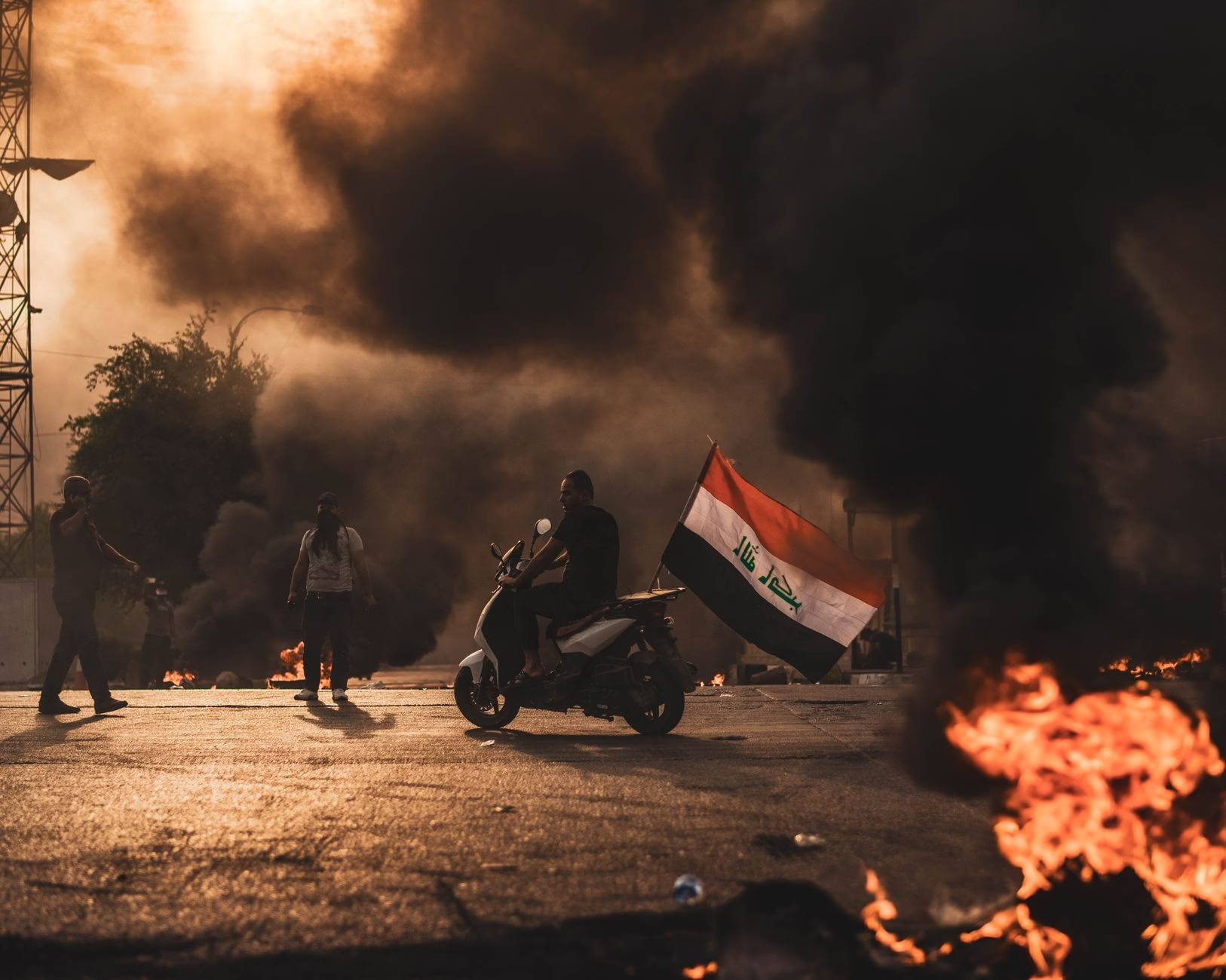
Background on the 2019 Iraqi Demonstrations
During the autumn of 2019, major urban centers across Iraq experienced unprecedented civil unrest. Citizens took to the streets to voice deep frustration regarding systemic corruption, poor public services, and high unemployment rates. These demonstrations largely galvanized younger generations demanding comprehensive structural reforms within the government.
State and Paramilitary Response
The civic mobilization faced severe resistance from security personnel and associated armed factions. As demonstrations intensified, the state and various allied groups deployed lethal force to suppress the crowds. Numerous international human rights organizations documented widespread abuses, arbitrary detentions, and numerous fatalities throughout the weeks of unrest.
Recent Admissions by the Badr Organization
In a significant development, leadership within the Badr Organization, an influential Iranian-backed paramilitary faction operating in Iraq, has publicly acknowledged its participation in the suppression of the 2019 movement. According to statements attributed to the group, operatives were deployed to counter the civil unrest, resulting in thousands of casualties among the demonstrator population.
Implications for Accountability
This acknowledgment sheds new light on the command structures and operational decisions that governed the state response during the crisis. Legal advocates and families of the victims have long sought transparency and accountability for the severe violence witnessed during that period. The recent admissions could potentially impact ongoing domestic and international efforts to address past human rights violations in the region.
Conclusion
The revelation regarding the Badr Organization marks a turning point in the public discourse surrounding the 2019 demonstrations. As more details emerge from leadership admissions, pressure continues to mount for formal investigations and justice for those affected by the crackdown.
















Leave a Reply