


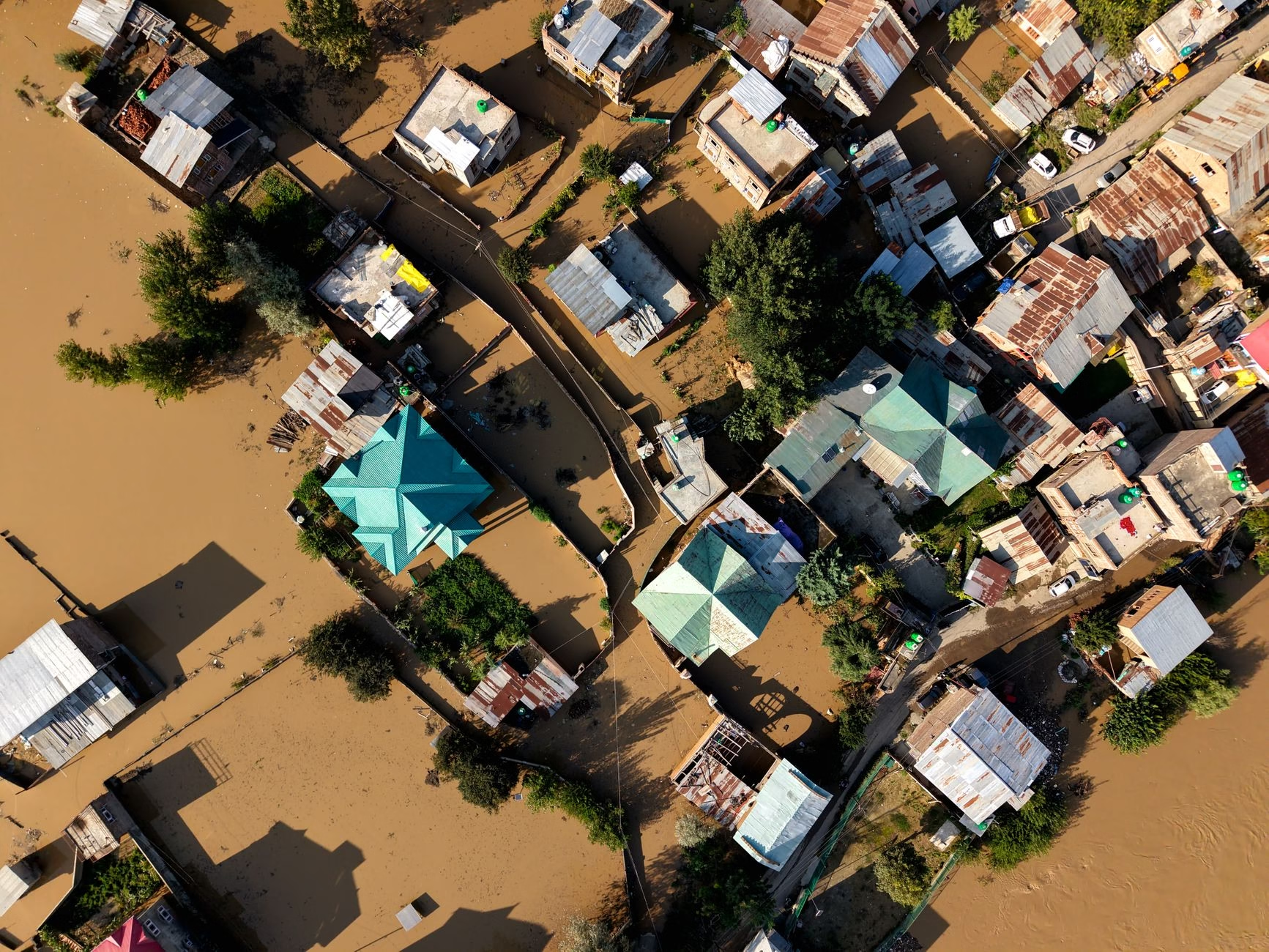
Natural disasters often bring devastation, but modern crises introduce a new layer of complexity through the rapid spread of synthetic media. Following severe flooding and subsequent burials in Nepal, social media networks experienced a significant surge in fabricated visual content. This phenomenon has raised urgent concerns among digital safety experts regarding the integrity of information during humanitarian emergencies.
Understanding the Crisis
The recent weather events in the region caused widespread destruction, displacing thousands and resulting in tragic loss of life. As communities began the solemn process of mourning and burying the victims, public attention surged globally. Unfortunately, bad actors exploited this heightened interest to generate and share fabricated photographs using advanced artificial intelligence tools.
These synthetic images often depicted exaggerated scenes of devastation or dramatic rescue operations that never actually occurred. Because emotional resonance drives engagement online, these deceptive visuals spread rapidly across multiple platforms before fact-checkers could intervene. The blurring lines between reality and artificial generation pose a severe challenge for those seeking accurate reports from the disaster zones.
The Impact on Affected Communities
For families grieving their lost loved ones, the proliferation of fake imagery adds psychological distress to an already overwhelming situation. Local authorities and community leaders in Nepal have emphasized the importance of respecting the dignity of the victims. When synthetic representations of burials and rescue efforts circulate widely, it misrepresents the actual ground realities and exploits human tragedy for digital clout.
Furthermore, misinformation can hinder relief efforts. When organizations and donors rely on inaccurate depictions of the crisis, it may misguide resource allocation. Accurate journalism and verified updates are vital to ensuring that aid reaches the areas that need it most urgently.
Challenges in Detection and Regulation
The rapid evolution of generation software makes distinguishing between authentic photographs and digital fabrications increasingly difficult for the average internet user. Many platforms lack adequate moderation tools to flag or remove synthetic media in real time, especially during fast-moving news cycles.
Experts recommend that individuals exercise caution before sharing dramatic visuals from disaster zones. Checking reliable news outlets and looking for inconsistencies in lighting, anatomy, or background details can help identify manipulated content. Combating this trend requires a combined effort from technology companies, independent fact-checkers, and media-literate audiences.
Moving Forward
The situation in Nepal serves as a stark reminder of the ethical challenges accompanying modern technological advancements. As artificial intelligence becomes more accessible, safeguarding the truth during global crises remains paramount. Protecting the integrity of disaster reporting ensures that communities receive genuine support and that history is recorded accurately.




















Leave a Reply