


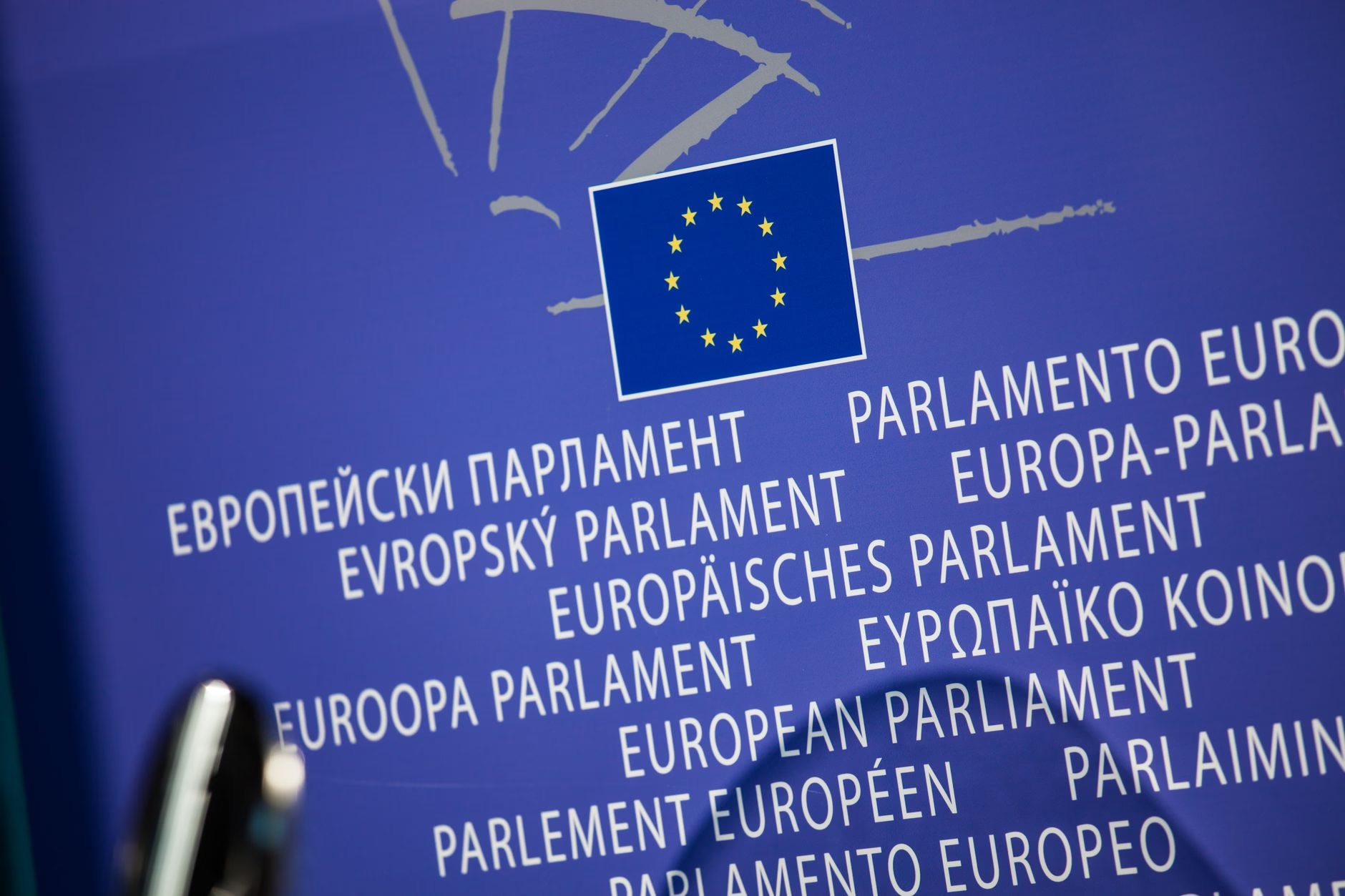
In a significant development for European diplomacy, foreign ministers from across the European Union have convened for crucial discussions. This gathering takes place against a backdrop of escalating geopolitical tensions, particularly following Germany’s formal attribution of a recent drone attack to Russia. The convergence of these high-level talks with such a serious accusation underscores the complex challenges currently facing the continent and the imperative for coordinated European action.
The meeting of EU foreign ministers is a cornerstone of the Union’s foreign policy apparatus. These sessions are designed to foster consensus on external relations, security matters, and responses to global crises. Participants typically deliberate on a wide array of issues, aiming to forge a unified European stance on international affairs. The current agenda is undoubtedly shaped by the pressing security concerns emanating from the ongoing conflict in Eastern Europe and the broader implications for regional stability.
Germany’s Attribution of a Drone Attack
The announcement by Germany, attributing a drone attack directly to Russia, marks a critical escalation in the already strained relationship between Moscow and several European nations. Such an attribution carries substantial weight, as it implies a direct act of aggression or involvement that could have significant diplomatic and security repercussions. While specific details regarding the incident itself are not publicly detailed, the act of a major European power making such a definitive statement suggests a thorough assessment of available intelligence.
Drone warfare has become an increasingly prevalent feature of modern conflicts, offering capabilities for surveillance, reconnaissance, and targeted strikes. The use of drones introduces new complexities to international law and military ethics, often blurring the lines of conventional warfare. When a state attributes a drone attack to another sovereign nation, it raises questions about national sovereignty, international norms, and the potential for retaliatory measures or increased sanctions.
Geopolitical Implications and EU Response
The implications of Germany’s accusation for EU-Russia relations are profound. The European Union has maintained a firm stance against actions perceived as undermining international law and the sovereignty of its neighbors. A direct attribution of an attack by a member state to Russia could necessitate a review of existing policies, potentially leading to further sanctions or a more robust collective security posture.
For the EU, achieving a unified response to such an event is paramount. Member states often have diverse economic and political ties with Russia, which can complicate efforts to present a cohesive front. However, the principle of collective security and the shared commitment to upholding international order typically guide the Union’s decisions in moments of crisis. The foreign ministers’ meeting provides the essential platform for these discussions, aiming to consolidate a strategy that reflects the collective interests and values of the EU.
Historical Context of Germany-Russia Relations
Relations between Germany and Russia have historically been multifaceted, characterized by periods of cooperation and significant tension. In recent decades, economic ties, particularly in the energy sector, have been a defining feature. However, events such as the annexation of Crimea in 2014 and the ongoing conflict in Ukraine have severely strained these connections, leading to a series of EU-imposed sanctions and a re-evaluation of security policies across Europe.
Germany, as a leading economic and political power within the EU, plays a crucial role in shaping the Union’s foreign policy. Its decisions and diplomatic actions often carry considerable influence. The current attribution of a drone attack to Russia by Germany signals a heightened level of concern and a potential shift in the diplomatic landscape, demanding careful consideration from all EU members.
The Path Forward for European Diplomacy
The path forward for European diplomacy is fraught with challenges. The foreign ministers must navigate the immediate concerns raised by Germany’s attribution while also addressing the broader strategic implications for European security. Discussions will likely focus on intelligence sharing, diplomatic pressure, and the potential for further coordinated actions to de-escalate tensions or deter future aggressions.
Effective foreign policy coordination within the EU requires not only agreement on principles but also practical steps to implement shared objectives. The outcomes of this meeting will be closely watched by international observers, as they will indicate the EU’s resolve and capacity to respond to direct security threats. The ability of the Union to present a united and decisive front will be critical in shaping the future trajectory of European security and its relations with key global actors.



















Leave a Reply