


Introduction: La Mancha’s Global Vineyard Dominance
Nestled in the heart of Spain, the region of La Mancha stands as an unparalleled titan in the world of viticulture. Often overshadowed by more famous Spanish wine appellations, this expansive central plateau holds a remarkable distinction: it encompasses more acres of vineyards than any other single wine region on the planet. This vast agricultural landscape, stretching across the autonomous community of Castilla-La Mancha, represents a cornerstone of Spain’s winemaking heritage, offering a unique blend of tradition and burgeoning modernity. Despite its immense scale and historical significance, La Mancha frequently remains an unsung hero among global wine enthusiasts, a hidden gem awaiting broader recognition for its distinctive character and impressive production.
A Landscape Defined by Extremes
The geographical characteristics of La Mancha are fundamental to its viticultural identity. Situated on a high plateau, averaging around 700 meters above sea level, the region experiences a continental climate marked by dramatic temperature fluctuations. Summers are intensely hot and arid, with temperatures frequently soaring, while winters are notably cold. Rainfall is scarce, making water management and drought-resistant grape varieties crucial for survival. This challenging environment, however, has forged resilient vines that produce grapes of concentrated flavor. The predominantly calcareous and clay soils, often mixed with gypsum, contribute to the unique terroir, influencing the vine’s vigor and the grapes’ phenolic ripeness. The sheer flatness and uniformity of much of the terrain allow for extensive, contiguous vineyard plantings, contributing significantly to its unparalleled acreage.
Centuries of Viticultural Heritage
Winemaking in La Mancha is not a recent phenomenon; its roots delve deep into antiquity. Historical records suggest viticulture flourished here during Roman times, with evidence of wine production dating back over two millennia. The region’s winemaking tradition persevered through various historical periods, including the Moorish occupation, when, despite religious proscriptions, grape cultivation continued, often for medicinal purposes or the production of grape juice and raisins. By the Middle Ages, La Mancha had firmly established itself as a significant wine-producing area, supplying wine to various parts of Spain. This enduring legacy underscores the profound connection between the land, its people, and the vine, a relationship cultivated over countless generations.
The Reign of Airén and the Rise of Tempranillo
For centuries, the white grape variety Airén has been the undisputed monarch of La Mancha’s vineyards. Renowned for its exceptional resilience to drought and heat, Airén thrives in the region’s harsh climate, making it the most widely planted white grape in the world. Traditionally, Airén was primarily used for brandy production or as a component in bulk wines. However, modern winemaking techniques have transformed Airén into a source of fresh, crisp white wines, often characterized by subtle fruit notes and a pleasant acidity.
While Airén maintains its dominance, the red grape Tempranillo, locally known as Cencibel, has steadily gained prominence. This noble Spanish variety, famous for its role in Rioja wines, finds a distinct expression in La Mancha, yielding full-bodied reds with ripe berry flavors, often complemented by notes of vanilla and spice when aged in oak. Beyond these two titans, other international varieties like Cabernet Sauvignon, Merlot, Syrah, and Chardonnay are also cultivated, alongside indigenous grapes such as Garnacha and Macabeo, contributing to the region’s diverse wine portfolio.
From Bulk Production to Quality Focus
Historically, La Mancha was synonymous with high-volume, bulk wine production, often supplying other regions or serving as a base for various wine products. This perception, while rooted in its past, is rapidly evolving. Over the last few decades, a concerted effort has been made by local wineries, cooperatives, and regulatory bodies to shift the focus from quantity to quality. Investments in modern winemaking technology, including temperature-controlled fermentation, stainless steel tanks, and advanced aging facilities, have become commonplace.
The Denominación de Origen (DO) La Mancha, established in 1932, plays a crucial role in upholding quality standards and promoting the region’s wines. Stringent regulations govern grape growing, harvesting, and winemaking processes, ensuring that wines bearing the DO label meet specific criteria. This commitment to improvement has resulted in a new generation of La Mancha wines that are increasingly sophisticated, expressive, and competitive on the international stage, challenging preconceived notions about the region’s capabilities.
Economic Pillar and Cultural Heartbeat
The wine industry is an indispensable economic engine for La Mancha. It provides employment for thousands of people, from vineyard workers to winemakers, distributors, and those in related tourism sectors. The vast expanse of vineyards shapes the very identity of the landscape and its communities. Wine is not merely an agricultural product here; it is woven into the fabric of daily life, celebrated in local festivals, and deeply ingrained in the cultural heritage of the region. The cooperative model, where numerous small growers pool their resources, remains a significant structure, fostering community spirit and shared prosperity.
Challenges and a Vision for the Future
Despite its strengths, La Mancha faces several challenges. Climate change presents an ongoing threat, with increasing temperatures and unpredictable rainfall patterns demanding adaptive viticultural practices. Market perception, still influenced by its bulk wine past, requires continuous effort to re-educate consumers about the region’s quality advancements. Sustainability is also a growing concern, with initiatives focusing on water conservation, organic farming, and biodiversity preservation becoming increasingly vital for the long-term health of the vineyards.
However, the future of La Mancha wine is bright. The dedication of its winemakers, coupled with ongoing innovation and a renewed emphasis on expressing the unique terroir, positions the region for greater global recognition. Efforts to promote wine tourism are also gaining momentum, inviting visitors to experience the vast vineyards, modern bodegas, and authentic Spanish culture firsthand.
Beyond the Vineyards: Exploring La Mancha
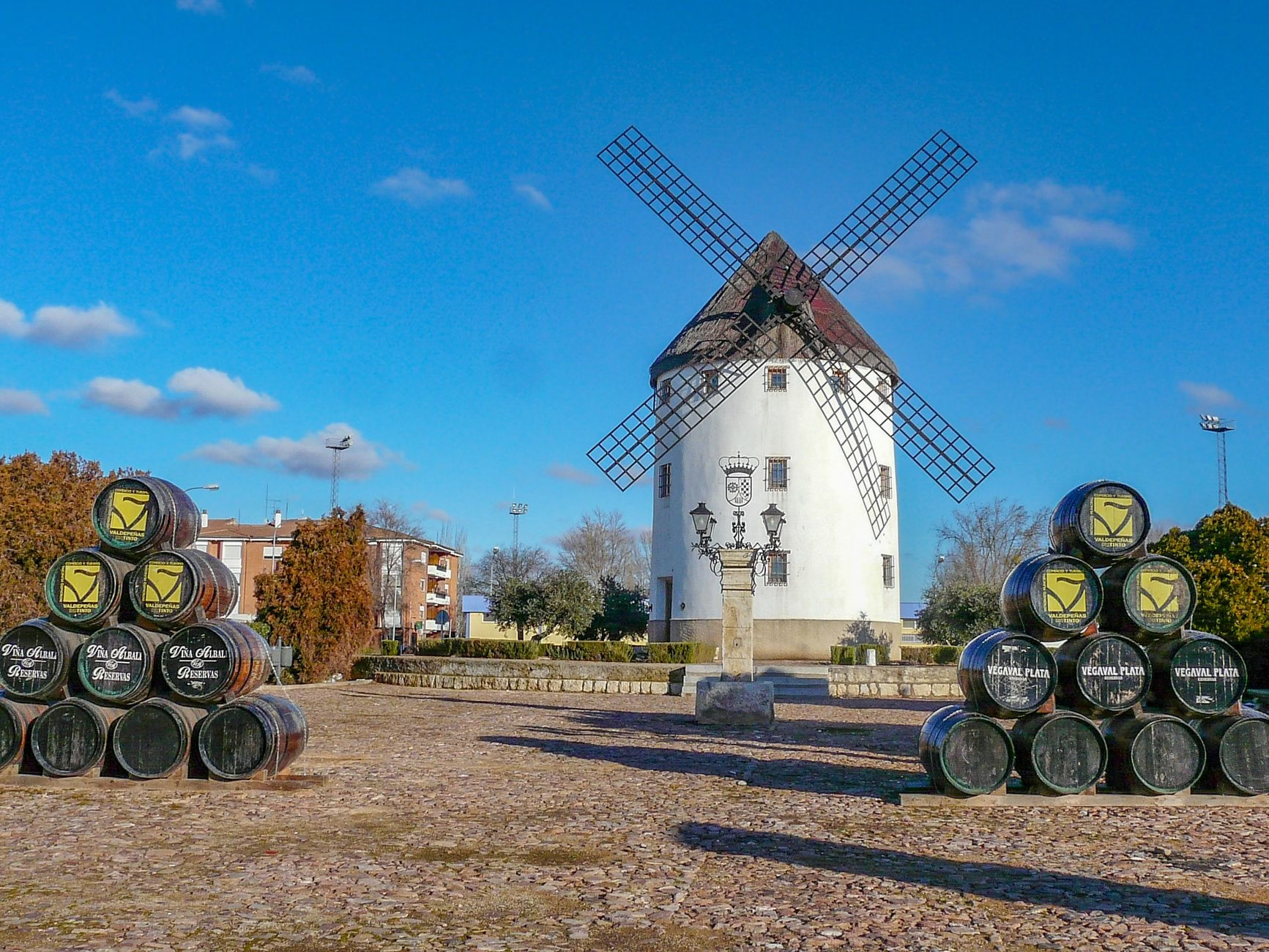
While wine is undoubtedly the star attraction, La Mancha offers a rich tapestry of experiences for the discerning traveler. This is the fabled land of Don Quixote, immortalized by Cervantes, where iconic windmills dot the horizon, inviting exploration and reflection. Historic towns like Toledo, Cuenca, and Ciudad Real boast stunning architecture, ancient castles, and vibrant cultural scenes. The regional gastronomy, characterized by hearty stews, Manchego cheese, and game meats, perfectly complements the local wines, offering a complete sensory journey. A visit to La Mancha is an opportunity to delve into an authentic, unspoiled corner of Spain, where tradition and innovation coexist amidst a landscape of unparalleled viticultural grandeur.
Conclusion: A Region on the Rise
La Mancha, with its extraordinary vineyard acreage and deep-rooted winemaking history, stands at a pivotal moment. No longer content to be merely a source of volume, it is asserting its identity as a producer of quality wines that reflect its unique terroir and the dedication of its people. As global palates increasingly seek authenticity and value, this unsung Spanish destination is poised to emerge from the shadows, inviting the world to discover the richness, diversity, and sheer scale of its viticultural offerings. It is a region that truly embodies the spirit of Spanish winemaking, vast in scope, rich in history, and vibrant in its future.





















Leave a Reply