


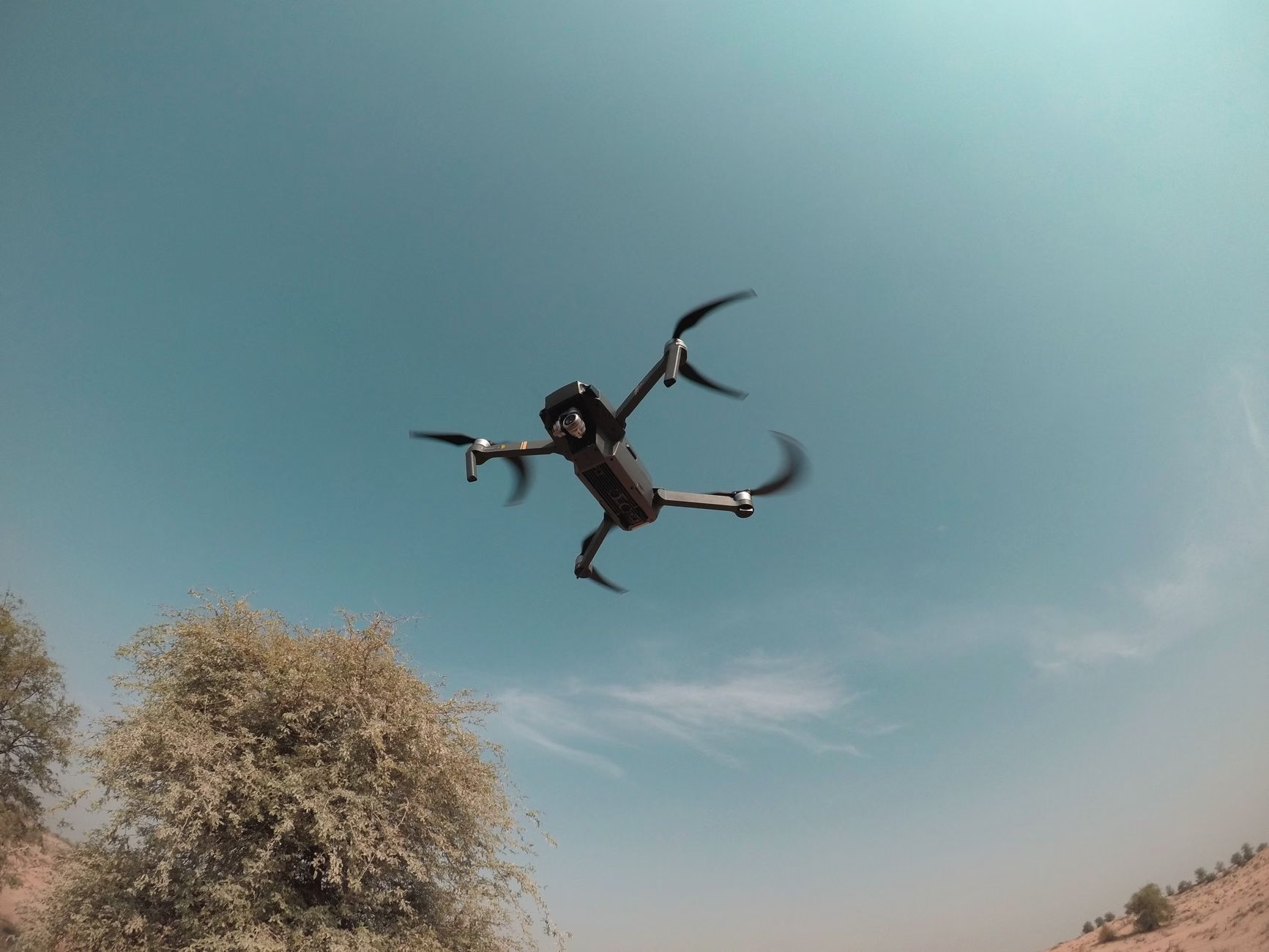
A recent event involving a drone in the United Arab Emirates, specifically near an airbase in the Dubai area, has drawn significant attention. This incident was followed by claims of responsibility from Iran, adding a layer of complexity to the already intricate regional security landscape. Such occurrences underscore the persistent challenges to stability in the Middle East and prompt a closer examination of the evolving dynamics between key regional actors. The response from UAE authorities and the subsequent claims from Iran highlight the delicate balance of power and the potential for escalation in a volatile part of the world.
The Rise of Drone Warfare
The proliferation of unmanned aerial vehicles, or drones, has fundamentally altered modern conflict and security paradigms. These systems offer various capabilities, from surveillance to precision strikes, and have become a tool for both state and non-state actors across the globe. In the Middle East, drones have been increasingly utilized in various capacities, often by groups seeking to project power or challenge established security frameworks. The accessibility and effectiveness of drone technology present unique challenges for air defense systems, requiring continuous adaptation and investment in advanced countermeasures. The strategic implications of drone usage extend beyond immediate tactical gains, influencing regional perceptions of vulnerability and deterrence.
Geopolitical Context and Regional Tensions
The relationship between Iran and several Gulf Cooperation Council (GCC) states, including the UAE, has been characterized by periods of tension and proxy competition. Disagreements over regional influence, political ideologies, and security alliances frequently manifest in various forms of confrontation. Incidents involving alleged attacks or claims of responsibility often occur within this broader geopolitical context. Iran’s stated claims regarding the drone incident near Dubai introduce a direct dimension to these existing tensions, raising questions about the nature of the attack, its intended message, and potential repercussions. Understanding these claims requires an appreciation of the historical and ongoing rivalries that shape the Middle East’s political environment.
International Reactions and Diplomacy
Events that threaten regional stability invariably draw the attention of the international community. Global powers and international organizations often monitor such developments closely, frequently issuing statements or engaging in diplomatic efforts to de-escalate tensions. The response to a drone incident, particularly one involving claims of state-level responsibility, can range from condemnations and calls for restraint to more assertive diplomatic or security measures. The international community’s reaction is crucial in shaping the narrative surrounding such events and in influencing the actions of the involved parties. Diplomacy often plays a critical role in preventing isolated incidents from spiraling into broader conflicts, emphasizing the need for dialogue and adherence to international norms.
Economic Stability and Investor Confidence
The United Arab Emirates, particularly Dubai, is a global hub for trade, finance, and tourism. Its reputation for stability and security is a cornerstone of its economic success and attractiveness to international investors. Any perceived threat to this stability, such as a drone incident near a major economic center, can have immediate and long-term implications for investor confidence and economic activity. Businesses and individuals rely on a predictable and secure environment to operate effectively. Therefore, the UAE’s swift response to such incidents and its commitment to maintaining security are paramount not only for national defense but also for safeguarding its economic prosperity and global standing.
Air Defense and Security Posture
In response to evolving threats, nations in the region, including the UAE, have invested heavily in sophisticated air defense systems. These systems are designed to detect, track, and neutralize aerial threats, including drones and missiles. A drone incident, regardless of its ultimate impact, serves as a critical test and an opportunity for evaluation of existing security protocols and technological capabilities. It prompts a review of vulnerabilities and the need for continuous upgrades to defense infrastructure. The UAE’s proactive approach to security, encompassing advanced surveillance and interception technologies, is a testament to its commitment to protecting its airspace and critical infrastructure from potential aggressions.
Potential for Escalation and Future Outlook
The claims of responsibility following a drone incident introduce a significant factor into the calculus of regional stability. Such claims can be interpreted in various ways: as a warning, a show of capability, or a direct challenge. The potential for escalation depends heavily on the responses of all parties involved, including the UAE, Iran, and their respective allies. De-escalation often requires careful diplomatic maneuvering, clear communication channels, and a commitment to avoiding actions that could further inflame tensions. The future outlook for regional security hinges on the ability of these nations to manage disputes through non-military means and to adhere to principles of sovereignty and non-interference. The international community also plays a role in fostering an environment conducive to peace and stability.
Conclusion
The drone incident near a Dubai-area airbase, coupled with Iran’s claims of responsibility, highlights the ongoing complexities and inherent risks within the Middle East’s security landscape. It underscores the critical importance of robust air defense, strategic diplomacy, and a collective commitment to regional stability. As nations navigate these challenges, the focus remains on preventing escalation, protecting vital infrastructure, and ensuring the continued safety and prosperity of the region. The event serves as a stark reminder of the dynamic nature of modern threats and the continuous need for vigilance and adaptive security strategies.




















Leave a Reply