


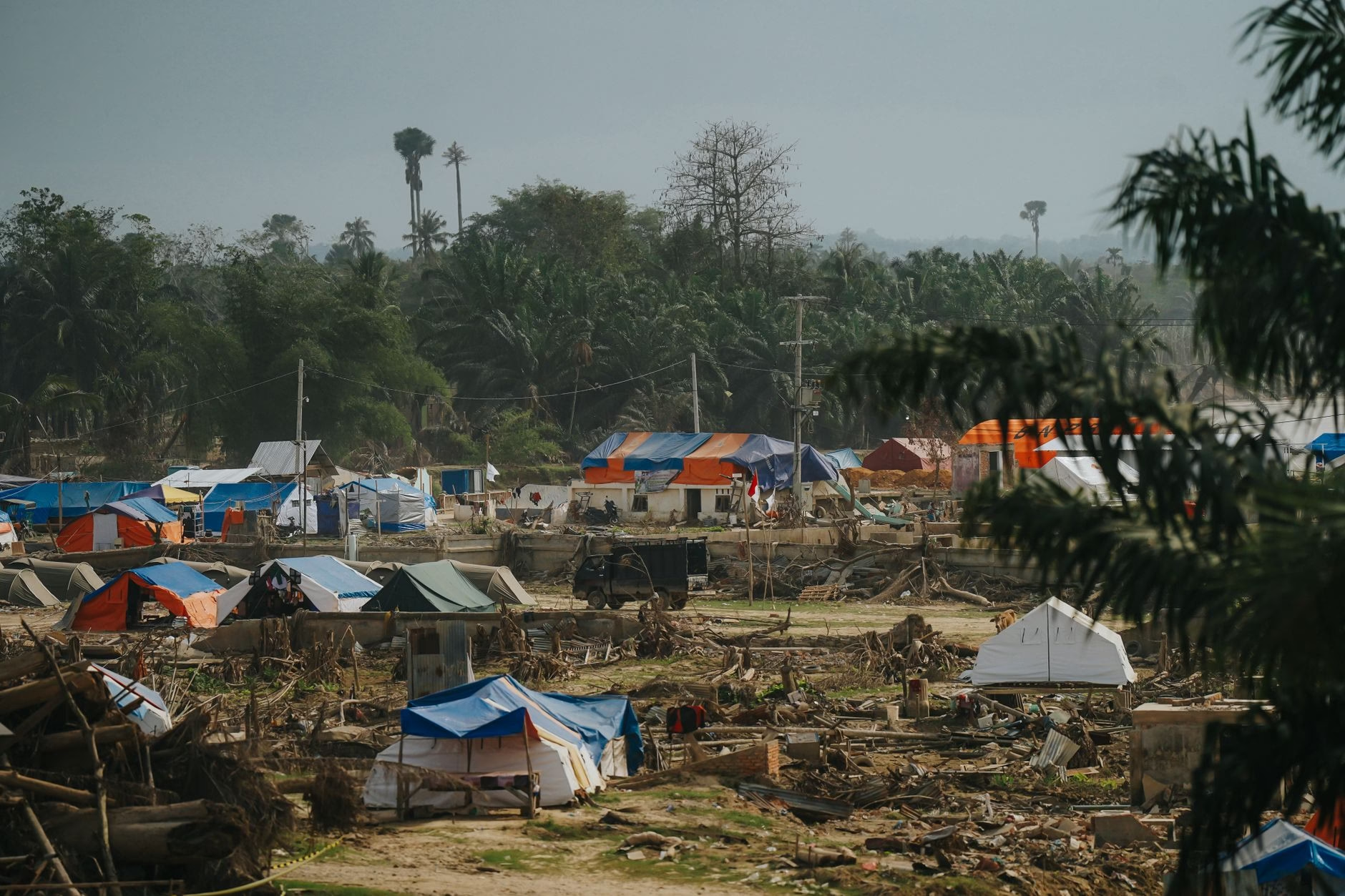
The aftermath of large-scale calamities presents profound and multifaceted challenges to affected regions and the global community. When natural or man-made disasters strike, the immediate priority shifts to saving lives, providing urgent medical care, and ensuring the safety of survivors. These initial hours and days are critical, often determining the scale of human suffering and the effectiveness of subsequent recovery efforts. The complexities involved in mobilizing resources, coordinating diverse agencies, and reaching isolated populations are immense, demanding robust planning and swift execution.
Immediate Humanitarian Imperatives
In the wake of a major incident, humanitarian organizations and governmental bodies face a race against time. The primary objectives include search and rescue operations, emergency medical assistance, and the provision of essential supplies such as food, water, and shelter. Establishing communication channels and logistical routes becomes paramount, especially in areas where infrastructure has been severely damaged or destroyed. Rapid assessments are crucial to understand the scope of the disaster, identify the most vulnerable populations, and allocate aid effectively. The psychological impact on survivors, responders, and communities also requires immediate attention, with mental health support being an integral part of early humanitarian interventions.
Challenges in Search and Recovery Operations
The process of locating and assisting those affected by a disaster is often fraught with peril and difficulty. Debris, unstable structures, and hazardous conditions can impede search and rescue teams, making their work dangerous and slow. The emotional toll on these responders is significant, as they frequently encounter scenes of devastation and loss. Furthermore, the identification and respectful management of fatalities present a solemn and complex task. In situations involving a large number of casualties, dignified handling, identification, and eventual burial or cremation procedures become a critical public health concern and a matter of cultural sensitivity. These operations require specialized forensic expertise and careful coordination to ensure accuracy and respect for the deceased and their families.
Long-Term Recovery and Rebuilding Efforts
Beyond the immediate emergency phase, the focus shifts towards long-term recovery and reconstruction. This phase involves rebuilding homes, infrastructure, and livelihoods, a process that can span years or even decades. Sustainable recovery strategies must address not only physical reconstruction but also economic revitalization, social cohesion, and environmental restoration. Empowering local communities to lead their own recovery is vital, ensuring that solutions are culturally appropriate and meet their specific needs. Education, healthcare, and access to clean water and sanitation are fundamental services that must be restored and improved to foster resilience against future shocks. The transition from emergency relief to development aid requires careful planning and sustained international support.
Fostering Community Resilience
Building resilience within communities is a cornerstone of effective disaster risk reduction. This involves strengthening local capacities to prepare for, respond to, and recover from disasters. Education and awareness campaigns play a crucial role in informing residents about potential hazards and appropriate safety measures. Developing early warning systems, improving building codes, and investing in resilient infrastructure are proactive steps that can significantly mitigate the impact of future events. Furthermore, fostering strong social networks and community leadership can enhance collective action during crises, enabling faster and more effective local responses. Integrating traditional knowledge with modern scientific approaches can also provide valuable insights into local vulnerabilities and adaptive strategies.
The Role of International Cooperation
Major disasters often overwhelm the capacities of individual nations, necessitating robust international cooperation. Global partnerships provide essential financial aid, technical expertise, and human resources, augmenting local efforts. Coordinated humanitarian responses, guided by principles of neutrality, impartiality, and independence, ensure that aid reaches those most in need without political interference. International organizations, non-governmental organizations, and donor countries play a pivotal role in funding relief operations, supporting long-term development projects, and advocating for policies that reduce disaster risk globally. Effective coordination among all stakeholders is critical to prevent duplication of efforts and maximize the impact of assistance.
Future Preparedness and Risk Reduction
Learning from past events is essential for enhancing future preparedness. Post-disaster assessments provide valuable lessons on what worked well and what could be improved, informing policy changes and operational adjustments. Investing in comprehensive disaster risk reduction strategies, including climate change adaptation measures, is not merely a humanitarian imperative but also an economic necessity. By reducing vulnerabilities and strengthening adaptive capacities, societies can minimize the human and economic costs of future disasters. A proactive approach, focusing on prevention and preparedness, is far more effective and sustainable than a reactive one, ultimately saving lives and protecting livelihoods across the globe.



















Leave a Reply