


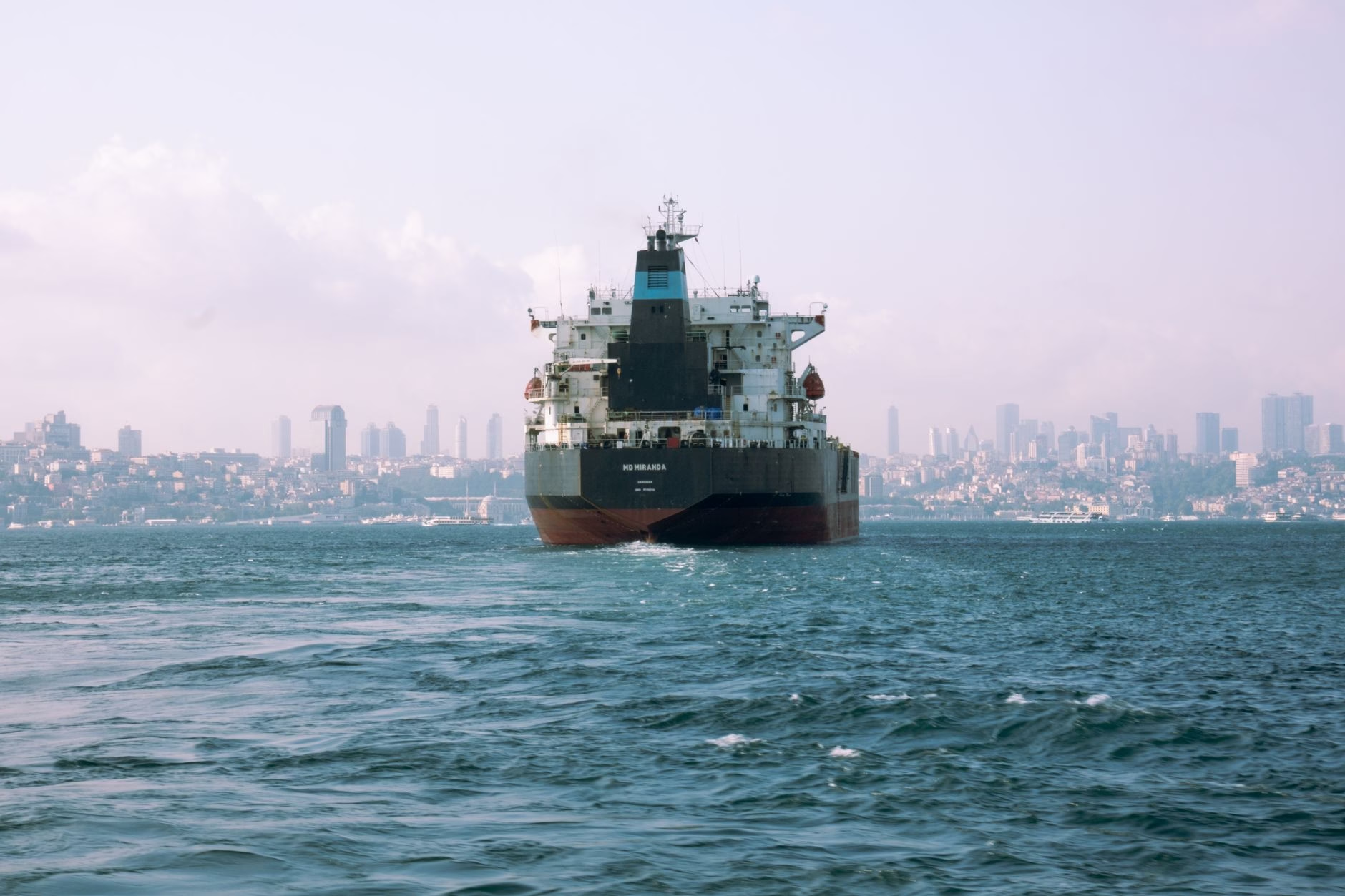
In a significant development for regional stability and global commerce, the nations of Iran and Oman are reportedly nearing a comprehensive agreement concerning the Strait of Hormuz. This prospective deal aims to ensure secure passage through the critical waterway and establish a framework for its future management. The Strait of Hormuz, recognized universally as an indispensable economic conduit, plays a pivotal role in international trade and energy supply. This diplomatic progress unfolds against a backdrop where the United States has notably refrained from imposing secondary sanctions, a factor that could influence the broader geopolitical landscape surrounding the agreement.
The Strategic Importance of the Strait of Hormuz
The Strait of Hormuz stands as one of the world’s most strategically vital maritime choke points. Connecting the Persian Gulf with the Arabian Sea and the broader Indian Ocean, it serves as the sole sea passage from the Persian Gulf to the open ocean for a vast proportion of the world’s crude oil and liquefied natural gas (LNG) exports. An estimated one-fifth of global oil consumption, alongside a substantial volume of LNG, transits through this narrow channel daily. Its significance extends beyond energy, encompassing a wide array of international trade goods. Any disruption to navigation in the Strait can trigger immediate and far-reaching consequences for global energy markets, supply chains, and economic stability. Consequently, maintaining unobstructed and secure transit through this waterway is a paramount concern for numerous nations worldwide, underscoring the profound implications of any bilateral agreement affecting its operation.
Ensuring Secure Maritime Transit
A core objective of the emerging agreement between Iran and Oman is the establishment of secure maritime transit through the Strait of Hormuz. The concept of “safe transit” encompasses measures designed to prevent incidents, ensure the free flow of commercial shipping, and mitigate potential risks to vessels navigating the channel. This includes addressing issues related to navigational safety, environmental protection, and the prevention of any actions that could impede international commerce. For the global economy, predictable and unhindered passage through the Strait is not merely desirable but essential. An agreement that formalizes and enhances security protocols could offer greater assurance to shipping companies, insurance providers, and energy consumers worldwide, potentially reducing perceived risks and associated costs. Such a framework would contribute to a more stable and reliable global energy supply chain.
Future Administration and Regional Cooperation
Beyond ensuring immediate safe passage, the proposed deal also addresses the future administration of this vital economic artery. Joint or coordinated administration by Iran and Oman could signify a new phase of regional cooperation and shared responsibility over a critical international waterway. Both nations share a direct geographical interest in the Strait and possess the capacity to influence its operational dynamics. An administrative framework developed collaboratively could lead to more harmonized regulations, improved coordination for maritime services, and a unified approach to managing the Strait’s resources and challenges. This collaborative model could potentially foster greater trust and stability between the two nations, setting a precedent for regional problem-solving and reducing the likelihood of unilateral actions that might destabilize the area. It underscores a commitment to shared stewardship for mutual benefit and broader regional security.
Geopolitical Context: U.S. Sanctions Policy
The backdrop to this developing agreement includes a notable stance from the United States regarding its secondary sanctions policy. The decision by the U.S. to hold back on imposing such sanctions in this context is a significant geopolitical signal. Secondary sanctions typically target foreign entities that engage in specific transactions with sanctioned countries, aiming to pressure those nations by limiting their international economic interactions. The U.S. restraint in this instance suggests a potential strategic calculation, perhaps to facilitate diplomatic efforts, encourage regional de-escalation, or acknowledge the importance of the emerging Iran-Oman cooperation. This approach could be interpreted as creating an environment conducive to the successful negotiation and implementation of the Hormuz deal, potentially signaling a nuanced shift in diplomatic engagement concerning regional maritime security. The absence of additional punitive measures might reduce external pressures that could otherwise complicate or derail bilateral discussions.
Economic Ramifications and Global Stability
The successful conclusion and implementation of a deal between Iran and Oman for the Strait of Hormuz would carry substantial economic ramifications, primarily positive, for global stability. Enhanced security and predictable administration of the Strait would likely translate into reduced risk premiums for shipping and insurance, potentially lowering the cost of transporting oil, gas, and other goods. This stability directly benefits energy-importing nations and global consumers by contributing to more stable energy prices. Furthermore, a formalized agreement could foster greater confidence among international investors and traders operating in the region. By reducing uncertainties associated with transit through this critical choke point, the deal could bolster overall global economic resilience and provide a much-needed element of predictability in a volatile geopolitical region. It underscores the direct link between maritime security and global economic health.
Path Forward and Regional Stability
The impending agreement between Iran and Oman represents a potentially transformative step for maritime security and regional diplomacy in the Middle East. By addressing both the immediate need for safe transit and the long-term framework for administration of the Strait of Hormuz, the two nations are poised to enhance stability in a globally critical waterway. The U.S. decision to withhold secondary sanctions adds another layer of complexity, possibly indicating a broader international interest in supporting such cooperative efforts. This development highlights the potential for regional actors to forge solutions to shared challenges, contributing to a more secure and predictable environment for international commerce and energy flow. The successful implementation of this agreement could serve as a model for future collaborative initiatives, reinforcing the principles of shared responsibility and mutual benefit in managing vital global arteries.






















Leave a Reply