


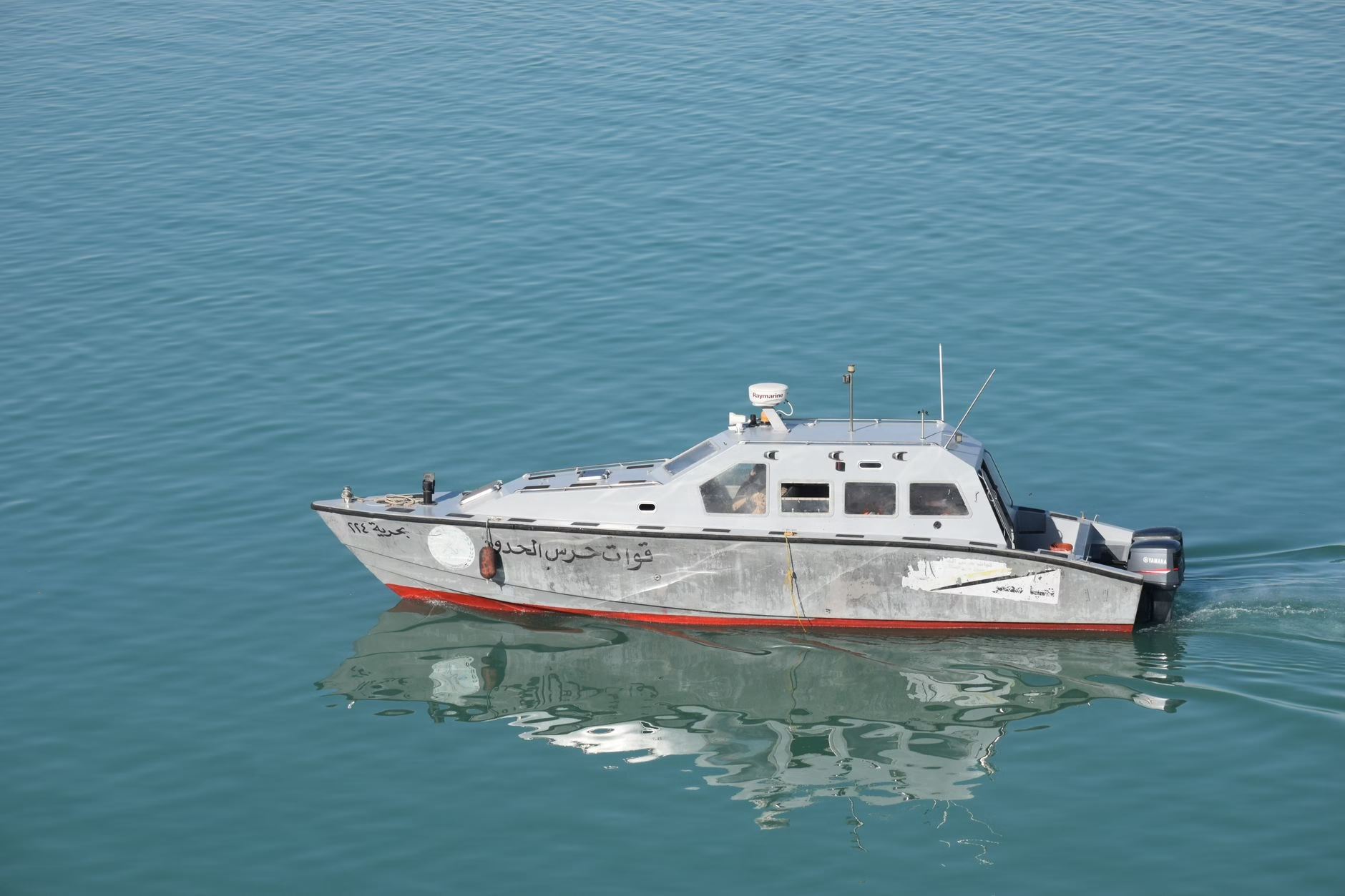
The intricate web of global commerce relies heavily on secure and unobstructed maritime passages. Recent developments in the Middle East, however, indicate a significant deterioration in the safety of two such critical arteries: the Red Sea and the Strait of Hormuz. An alarming escalation of regional conflict has directly impacted these strategic shipping lanes, leading to a notable reduction in vessel traffic through the Strait of Hormuz and a tragic incident in the Red Sea involving an Iran-backed group that resulted in six fatalities. These events underscore a growing threat to international shipping and highlight the far-reaching consequences of geopolitical friction on the global economy. The expansion of existing conflicts into vital maritime zones presents a complex challenge for international security and trade.
The Red Sea’s Pivotal Role in Global Trade
The Red Sea represents a cornerstone of global maritime logistics, serving as the primary conduit for trade between Europe and Asia via the Suez Canal. This narrow waterway facilitates the transit of an immense volume of goods, from manufactured products to essential energy resources. Its strategic geographical position makes it indispensable for maintaining efficient global supply chains. Vessels traversing the Red Sea typically proceed through the Bab-el-Mandeb Strait, a chokepoint at its southern end, before entering the Gulf of Aden and onward to the Indian Ocean. Any disruption in this area has immediate and profound implications for shipping schedules, delivery times, and overall operational costs for companies worldwide. The continuous flow of traffic through this route is vital for the economic stability of numerous nations.
Escalating Threats in the Red Sea
Recent events have brought the vulnerabilities of the Red Sea into sharp focus. A specific incident involving an Iran-backed group resulted in the loss of six lives, marking a grave escalation of hostilities in the region. Such attacks on maritime targets introduce an unprecedented level of risk for commercial vessels and their crews. The presence of hostile actors capable of inflicting casualties and disrupting shipping operations necessitates heightened security measures and raises concerns about the safety of international waters. This incident is not merely an isolated act but rather a symptom of broader regional instability, where various factions leverage strategic maritime locations to exert influence or retaliate against perceived adversaries. The direct impact on human life further underscores the severity of the situation and the urgent need for de-escalation.
The Strait of Hormuz: A Parallel Security Challenge
Concurrently, the Strait of Hormuz, another indispensable maritime chokepoint, has witnessed a significant decline in traffic, reaching unprecedented low levels. This strait, connecting the Persian Gulf with the Arabian Sea, is globally recognized as the most critical oil transit chokepoint in the world. A substantial portion of the world’s seaborne oil and liquefied natural gas (LNG) passes through this narrow passage daily. The reduction in vessel movement through Hormuz signals a profound level of apprehension among shipping companies and energy traders. Such a decline can be attributed to heightened security risks, increased insurance premiums, or a strategic rerouting of vessels to avoid potential conflict zones. The implications of reduced traffic extend beyond immediate shipping costs, potentially affecting global energy prices and supply stability. The perceived threat in the Strait of Hormuz often reflects broader geopolitical tensions in the Persian Gulf region.
Geopolitical Dynamics and Regional Instability
The current maritime security challenges are deeply intertwined with the ongoing geopolitical conflict between the United States and Iran. This long-standing rivalry has frequently manifested in proxy conflicts and strategic maneuvers across the Middle East. The expansion of this conflict into critical shipping lanes like the Red Sea and the Strait of Hormuz indicates a dangerous new phase. Both regions become arenas where regional powers and their allies can exert pressure, disrupt economic activities, and project influence. The involvement of Iran-backed groups in attacks on shipping highlights the complex network of actors contributing to regional instability. Understanding these underlying geopolitical dynamics is crucial for comprehending the motivations behind maritime disruptions and for formulating effective responses to safeguard international commerce.
Economic Repercussions for Global Commerce
The combined impact of heightened risks in the Red Sea and reduced traffic in the Strait of Hormuz presents substantial economic repercussions for global commerce. Shipping companies face difficult decisions regarding route planning, often opting for longer, more expensive detours to circumvent perceived danger zones. This leads to increased fuel consumption, extended transit times, and higher operational costs, which are ultimately passed on to consumers through elevated prices for goods. Furthermore, insurance premiums for vessels operating in these high-risk areas surge dramatically, adding another layer of financial burden. The energy markets are particularly vulnerable, as disruptions in the Strait of Hormuz can trigger volatility in oil and gas prices, impacting economies worldwide. The cumulative effect is a strain on global supply chains, potentially leading to shortages, inflation, and reduced economic growth.
International Responses and Future Outlook
Addressing the escalating threats to maritime security in the Middle East requires a concerted international effort. Naval forces from various nations often patrol these strategic waterways to deter aggression and ensure safe passage. However, the complexity of the current situation, involving state and non-state actors, demands more than just military presence. Diplomatic initiatives aimed at de-escalating regional conflicts and fostering dialogue are paramount. International cooperation on intelligence sharing and coordinated security operations can help mitigate risks. The future outlook remains uncertain, as long as underlying geopolitical tensions persist. The global community faces the challenge of balancing the need for free and secure maritime trade with the complexities of regional power struggles. Sustained engagement and a commitment to international law are essential to prevent further deterioration of security in these vital maritime corridors.
Conclusion
The recent developments in the Red Sea and the Strait of Hormuz represent a critical juncture for global maritime security. The tragic loss of life in the Red Sea and the unprecedented decline in traffic through the Strait of Hormuz are stark indicators of how regional conflicts can spill over into vital economic arteries. These events underscore the fragility of global supply chains and the profound economic consequences that arise when strategic waterways are compromised by geopolitical tensions. Ensuring the safety and freedom of navigation in these crucial areas is not merely a regional concern but a global imperative, demanding sustained attention and collaborative solutions from the international community to safeguard the arteries of global commerce.





















Leave a Reply