


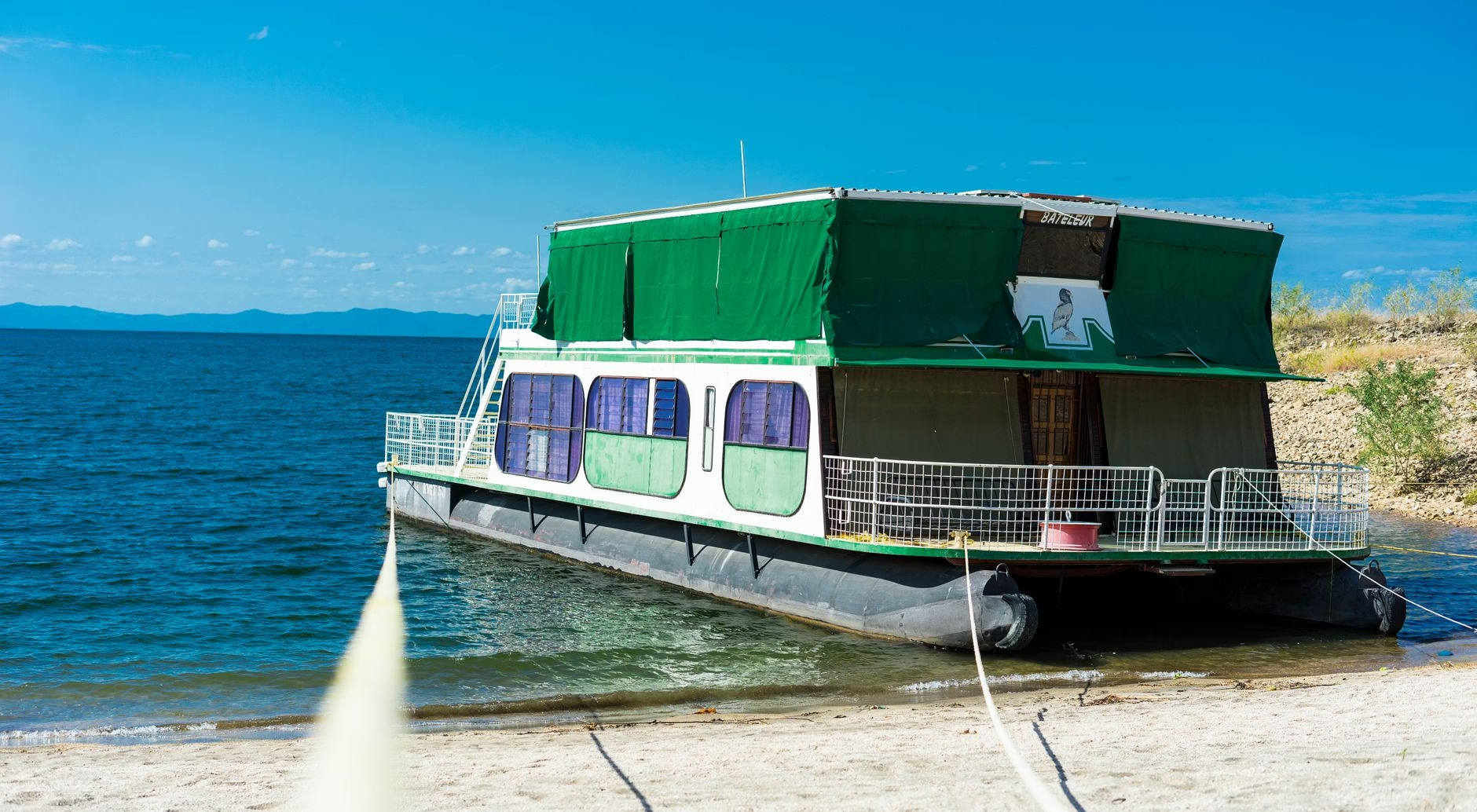
Lake Kariba, a vast man-made reservoir shared by Zimbabwe and Zambia, stands as a crucial artery for transport, tourism, and fishing within the region. Its immense size and strategic importance necessitate rigorous attention to maritime safety protocols. The potential for incidents on such a large body of water underscores the continuous need for vigilance, adherence to regulations, and robust emergency response capabilities to protect lives and ensure secure operations.
Navigating the expansive waters of Lake Kariba presents unique challenges. The lake’s sheer scale, combined with its often unpredictable weather patterns, can create hazardous conditions for vessels of all sizes. Sudden storms, strong winds, and large waves are not uncommon, posing significant risks to navigation. Furthermore, the presence of submerged trees and other obstacles, remnants from the lake’s creation, adds another layer of complexity for boat operators. These environmental factors demand a high level of skill, experience, and careful planning from anyone venturing onto the lake.
Regulatory Framework for Lake Kariba
Effective maritime safety relies heavily on a comprehensive and strictly enforced regulatory framework. For Lake Kariba, this includes guidelines governing vessel registration, seaworthiness inspections, and the licensing of operators. Regulations typically specify requirements for onboard safety equipment, such as life jackets, communication devices, first-aid kits, and fire extinguishers. Adherence to passenger capacity limits is also a critical aspect of these rules, designed to prevent overloading and maintain vessel stability. Regular inspections and audits are essential to ensure that all commercial and private vessels meet these stringent safety standards.
Essential Safety Measures for Operators and Passengers
Both boat operators and passengers share a collective responsibility in upholding safety standards. Operators must ensure their vessels are well-maintained, regularly inspected, and equipped with all necessary safety gear. They should possess the appropriate certifications and have a thorough understanding of navigation rules, local conditions, and emergency procedures. Prior to departure, operators are expected to conduct a safety briefing for all passengers, outlining the location of safety equipment and emergency protocols.
For passengers, wearing life jackets, especially children, is a fundamental safety measure that significantly increases survival chances in the event of an emergency. Passengers should also familiarize themselves with the vessel’s layout and emergency exits. Avoiding excessive movement on board and following the instructions of the crew are crucial for maintaining stability and order. Personal preparedness, such as informing others of travel plans and carrying personal identification, also contributes to overall safety.
Emergency Preparedness and Response
Robust emergency preparedness is paramount for mitigating the impact of any maritime incident. This involves having well-defined search and rescue protocols, readily available rescue assets, and trained personnel. Coordination between various emergency services, including marine police, civil protection units, and local communities, is vital for a swift and effective response. Regular drills and simulations help to refine these response mechanisms, ensuring that all parties can act cohesively and efficiently when a real emergency occurs.
Communication systems play a critical role in emergency situations. Vessels should be equipped with reliable means of communication, such as marine radios or satellite phones, to alert authorities in distress. A centralized command and control center capable of receiving distress calls and coordinating rescue efforts is indispensable for managing incidents on a large body of water like Lake Kariba.
Technological Advancements in Safety
The integration of modern technology can significantly enhance maritime safety. GPS navigation systems, radar, and sonar can assist operators in avoiding hazards and navigating safely, especially in challenging conditions. Weather forecasting technology provides crucial advance warnings of impending storms, allowing vessels to seek shelter or delay their journeys. Furthermore, advancements in vessel design and construction contribute to improved stability and seaworthiness, making boats more resilient to adverse conditions.
Community Engagement and Awareness
Beyond regulations and technology, fostering a strong culture of safety within the Lake Kariba community is essential. This includes ongoing public awareness campaigns to educate both locals and tourists about the importance of maritime safety. Engaging local fishing communities and transport operators in safety discussions and training programs can help to disseminate best practices and encourage compliance. A collective commitment to safety from all stakeholders – operators, passengers, regulators, and emergency services – is the most effective way to prevent incidents and ensure that Lake Kariba remains a safe and reliable waterway for everyone.
Conclusion
Ensuring the safety of all individuals traversing Lake Kariba is a continuous endeavor that demands unwavering commitment. Through strict adherence to regulations, proactive safety measures, robust emergency preparedness, and the adoption of modern technology, the risks associated with water transport can be significantly reduced. The collective responsibility of all stakeholders is fundamental to maintaining a secure environment on this vital Zimbabwean resource, safeguarding lives and preserving the lake’s economic and recreational value.





















Leave a Reply