


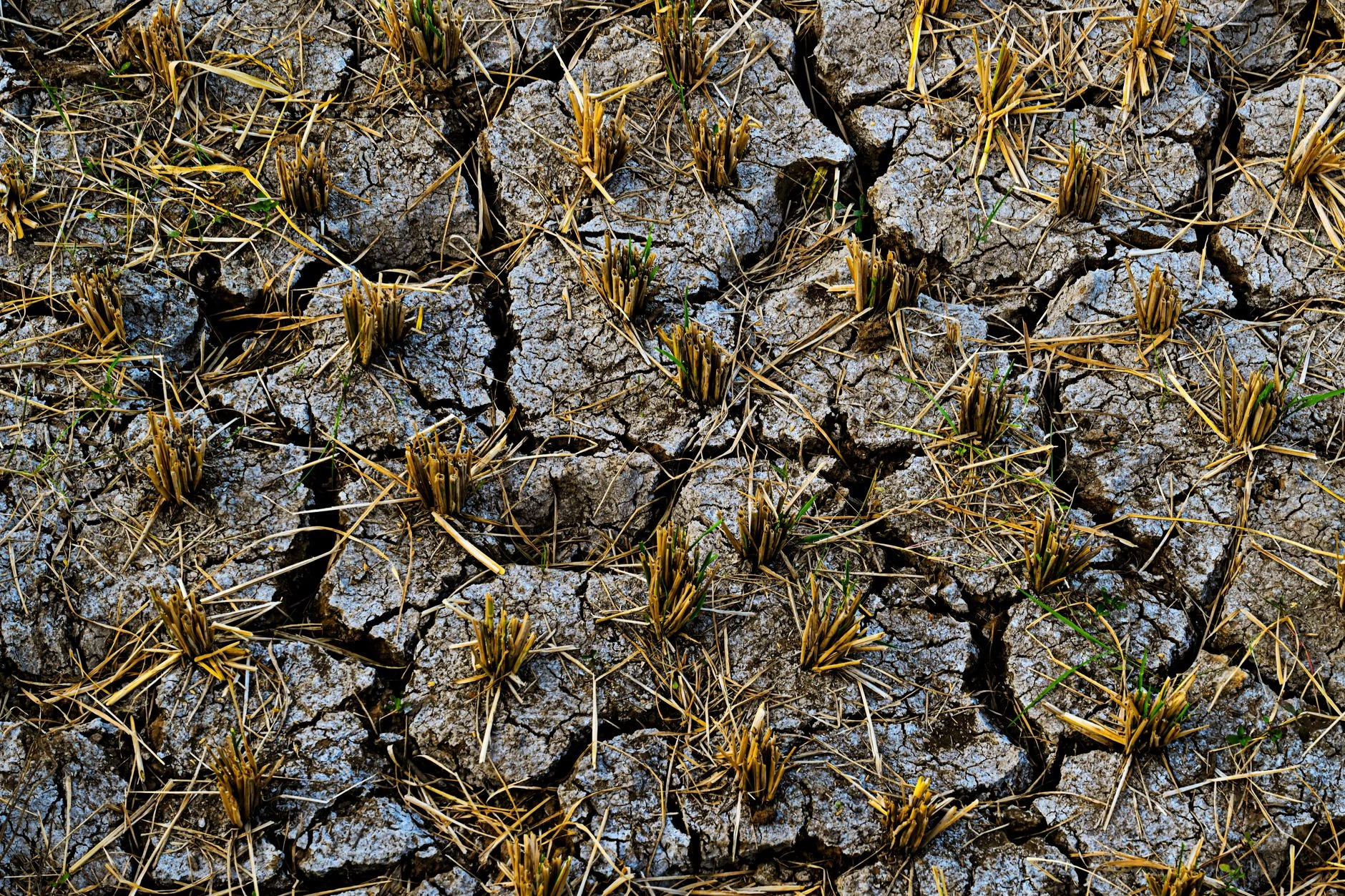
Italy’s renowned rice-producing regions are currently grappling with an exceptionally severe drought, posing an existential threat to the nation’s agricultural sector. This critical situation, particularly acute in the Po River basin, jeopardizes the cultivation of staple grains, most notably the specialized rice varieties essential for iconic Italian dishes like risotto. The scarcity of water, reaching historically low levels, signals a challenging season ahead for farmers and raises broader concerns about food supply and economic stability.
The Unfolding Water Crisis
The heart of Italy’s agricultural landscape, especially its northern plains, relies heavily on consistent water availability from major river systems. However, these crucial arteries are experiencing unprecedented depletion. The Po River, Italy’s longest and most significant waterway, is at the epicenter of this crisis. Its water levels have plummeted to record lows, far below seasonal averages. This drastic reduction in water flow has profound implications for irrigation systems that nourish vast tracts of farmland, including the extensive rice paddies that define the region. The lack of adequate rainfall and snowmelt over an extended period has exacerbated the situation, transforming fertile lands into parched expanses.
Impact on Rice Cultivation
Rice cultivation is inherently water-intensive, requiring substantial and consistent irrigation throughout its growth cycle. The current drought conditions present an insurmountable challenge for rice farmers in regions like Lombardy and Piedmont, which collectively form Italy’s primary “rice belt.” These areas are celebrated for producing high-quality rice, such as Arborio, Carnaroli, and Vialone Nano, varieties indispensable for authentic Italian risotto. With insufficient water to flood the paddies, many farmers face the agonizing decision of reducing planting areas or, in dire cases, abandoning crops entirely. The inability to properly irrigate not only stunts growth but also increases vulnerability to pests and diseases, further compromising yields. The current outlook suggests a significant reduction in this year’s harvest, potentially impacting both domestic supply and export markets.
Economic Repercussions for Farmers
The financial strain on Italy’s rice farmers is immense. For generations, these agricultural communities have depended on predictable water cycles to sustain their livelihoods. The current drought disrupts this fundamental reliance, leading to substantial economic losses. Farmers invest heavily in seeds, labor, and machinery, and the prospect of a failed harvest translates directly into lost income and mounting debt. Many family-run farms, already operating on thin margins, are particularly vulnerable to such widespread crop failures. The ripple effect extends beyond individual farms, impacting local economies that rely on the agricultural sector for employment and commerce. Support services, suppliers, and distributors all face downturns as the primary industry struggles.
Broader Food Security Concerns
Italy is a significant producer and exporter of rice, especially its premium varieties. A substantial reduction in the national rice yield could have far-reaching implications for food security, both within Italy and across international markets. While Italy’s overall food supply is diverse, a shortage of a staple like rice could lead to price increases for consumers. Furthermore, the global food supply chain is interconnected; disruptions in one major producing nation can create instability elsewhere. The potential scarcity of specific risotto rice varieties might also impact the culinary industry, from restaurants to home cooks, who value these unique grains for their texture and flavor.
Contributing Environmental Factors
The current drought is not an isolated incident but rather a stark manifestation of broader climatic shifts. Scientists and environmental experts point to a pattern of increasingly extreme weather events, including prolonged dry spells and reduced precipitation, as hallmarks of climate change. The Mediterranean region, in particular, is identified as a climate change hotspot, prone to more frequent and intense droughts. While natural variability always plays a role, the severity and persistence of the current water deficit suggest a significant anthropogenic influence. Addressing these underlying environmental factors is crucial for developing long-term resilience strategies for Italy’s agricultural sector.
Responses and Future Outlook
In response to the escalating crisis, authorities and agricultural organizations are exploring various mitigation strategies. These include potential water rationing measures, re-evaluating crop choices for less water-intensive alternatives, and investing in more efficient irrigation technologies. However, immediate solutions are limited given the scale of the problem. Long-term planning will necessitate a comprehensive approach, encompassing improved water management infrastructure, policies promoting sustainable farming practices, and robust climate adaptation strategies. The challenge extends beyond the current season, demanding a fundamental re-evaluation of how Italy manages its precious water resources in an era of unpredictable climate patterns. The future of Italy’s rice belt, and indeed its broader agricultural heritage, hinges on effective and timely interventions.
Conclusion
The severe drought gripping Italy’s rice belt represents a profound challenge to the nation’s agricultural foundation and cultural identity. With water supplies at critically low levels, the immediate future for rice cultivation appears precarious, threatening both farmer livelihoods and the availability of beloved Italian staples. This crisis underscores the urgent need for proactive climate adaptation and sustainable resource management to safeguard Italy’s vital agricultural sector against the increasing pressures of a changing global climate. The resilience of these farming communities and the ingenuity of policymakers will be tested as they navigate this unprecedented environmental and economic challenge.





















Leave a Reply