


Geopolitical Shifts Impacting Energy Markets
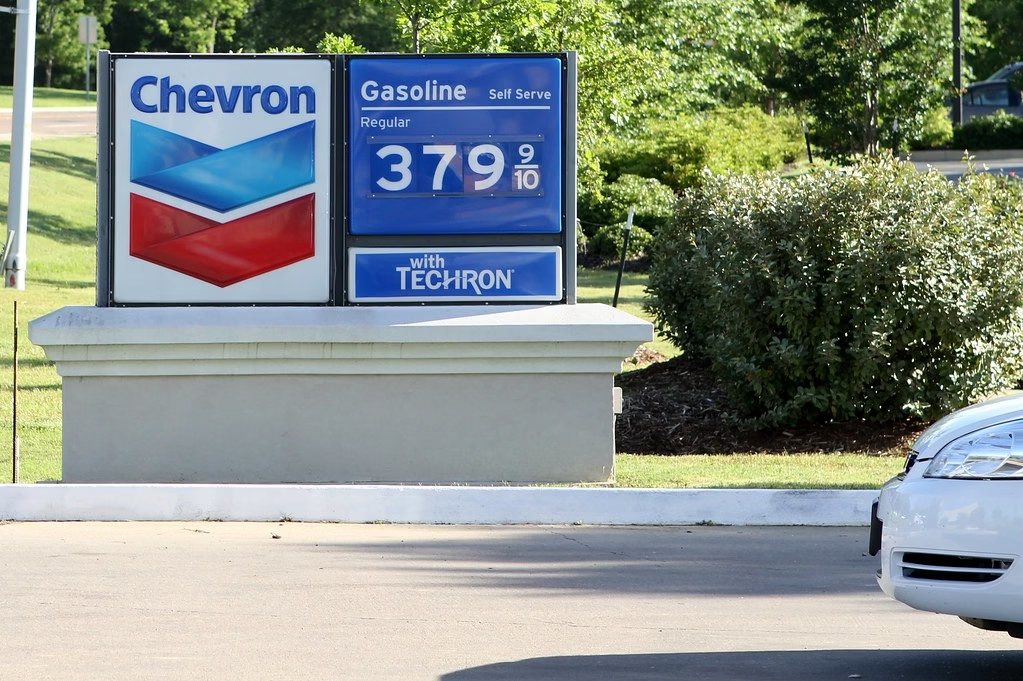
Canadian motorists should prepare for a potential spike in fuel costs this week, as regional analysts warn that geopolitical instability in the Middle East is once again disrupting global oil supply chains. This economic shift follows public statements from U.S. President-elect Donald Trump declaring that the existing peace agreement with Iran is effectively over, triggering immediate volatility in international energy markets.
The announcement has sent shockwaves through the energy sector, as Iran remains a significant player in global crude oil production and exports. Because Canadian retail gas prices are inextricably linked to the global price of West Texas Intermediate (WTI) and Brent crude, any disruption to supply or even the threat of conflict historically leads to an immediate increase at the pump.
Understanding the Price Correlation
Oil prices act as the primary benchmark for the cost of refined gasoline across North America. When political tensions rise in oil-producing regions, market traders often increase the risk premium on crude oil futures, anticipating potential supply constraints.
The current situation involves the collapse of a delicate diplomatic framework that had, until recently, provided a degree of stability to the region. With the U.S. signaling a departure from previous agreements, market analysts are closely monitoring potential sanctions or military escalations that could curtail Iranian oil shipments, thereby tightening global inventories.
Market Volatility and Consumer Impact
Industry experts emphasize that the reaction at local gas stations is often swift, even if the physical supply of oil has not yet decreased. “Markets trade on perception and future risk as much as current supply,” noted an energy analyst tracking the North American fuel retail sector.
Data from the International Energy Agency indicates that even minor fluctuations in crude supply can cause significant price swings in the downstream retail market. For Canadian consumers, who have already weathered periods of inflationary pressure, this development represents a significant headwind for household budgets during the upcoming fiscal quarter.
Retailers often adjust prices daily to reflect the replacement cost of their inventory. As crude futures rise, gas stations are forced to pass these increased wholesale costs onto consumers to maintain their operating margins, leading to the rapid price jumps often observed at the pump.
Broader Economic Implications
The rise in fuel prices extends beyond the cost of filling up a vehicle. Transportation costs represent a significant component of the supply chain for consumer goods, groceries, and industrial materials. If high energy prices persist, there is a strong likelihood of a ripple effect that could increase the consumer price index (CPI) for other essential items.
Central banks and economic forecasters are now watching the situation closely to determine if this energy shock will complicate ongoing efforts to curb inflation. Persistent volatility in the energy sector historically hampers consumer spending, as a larger portion of disposable income is diverted toward essential transit and heating costs.
Moving forward, market observers are looking for signals regarding potential new sanctions on Iranian exports and how major oil-producing nations within the OPEC+ alliance will respond to the tightening supply outlook. Continued monitoring of diplomatic rhetoric and energy production quotas will be essential for predicting the duration of this price surge and determining when, or if, the market will find a new equilibrium.

























Leave a Reply