


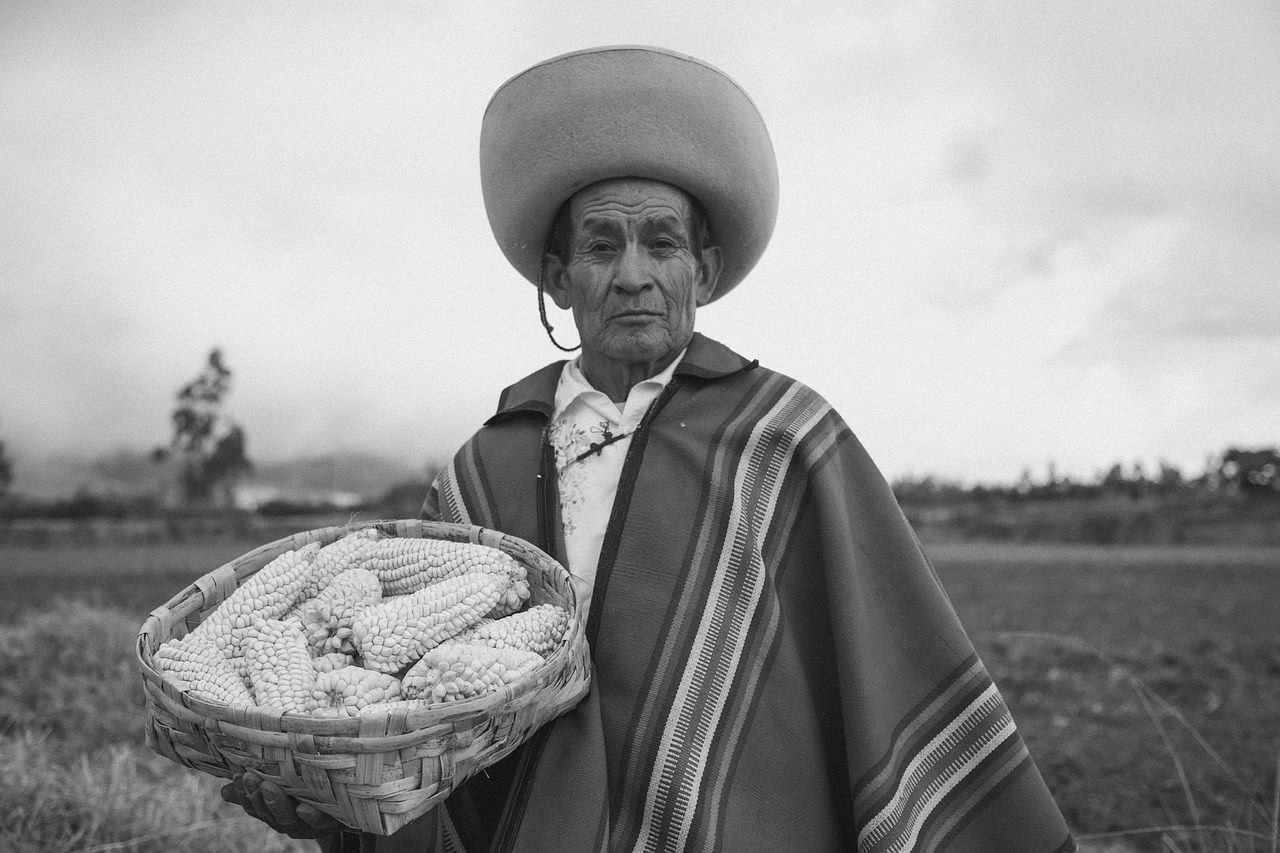
Legislators in Washington are currently debating a series of amendments to the impending Farm Bill that seek to restore USDA programs specifically designed to help Indigenous tribes distribute culturally significant, locally produced foods. As negotiations intensify this year, proponents argue that these provisions are essential for addressing chronic food insecurity and economic stagnation within tribal nations across the United States.
The Historical Context of Tribal Food Systems
For decades, federal nutrition assistance programs have often overlooked the unique nutritional needs and agricultural traditions of Indigenous communities. Historically, the USDA’s commodity distribution programs provided shelf-stable, highly processed foods that frequently clashed with traditional diets and cultural practices.
Advocates note that the disruption of traditional food systems—caused by forced relocation and systemic barriers to land ownership—has left many reservations with limited access to fresh, healthy options. The proposed legislative changes aim to bridge this gap by prioritizing the procurement of local, tribal-produced goods for federal food assistance programs.
Expanding Economic Opportunities and Sovereignty
The core of the initiative centers on the ‘Tribal Nutrition Improvement Act,’ which would streamline the process for tribes to source traditional foods like buffalo, wild rice, and indigenous crops directly from local producers. By bypassing traditional industrial supply chains, these programs aim to keep capital circulating within reservation economies.
Beyond nutrition, supporters highlight the environmental benefits of supporting indigenous-led agriculture. Many tribes are currently utilizing regenerative farming techniques that prioritize biodiversity and climate resilience, offering a model for sustainable food production that could inform broader agricultural policy.
Expert Perspectives on Federal Policy
According to the Intertribal Agriculture Council, providing tribes with the flexibility to define their own nutritional needs is a matter of both health and self-determination. Policy analysts from the Brookings Institution recently reported that tribes with robust, locally controlled food systems demonstrate significantly lower rates of diet-related illnesses, such as Type 2 diabetes, compared to those reliant solely on federal commodities.
However, the transition faces bureaucratic hurdles. Critics of the expansion express concerns regarding the logistical complexity of integrating small-scale, tribal producers into the massive federal procurement infrastructure. Ensuring food safety compliance while maintaining the cultural integrity of the products remains a significant point of negotiation among committee members.
Implications for the Future of Agriculture
For the agricultural industry, these developments signal a shift toward decentralized, community-focused supply chains. Should the amendments pass, federal agencies will need to invest in new infrastructure, such as regional processing facilities and cold-storage solutions, to accommodate the unique requirements of tribal food distribution.
Observers should watch for the upcoming markup sessions in the House and Senate Agriculture Committees, where the specific funding allocations for these programs will be finalized. The outcome of these negotiations will indicate whether the federal government is truly prepared to move toward a more inclusive, regionally diverse approach to national food security.























Leave a Reply