


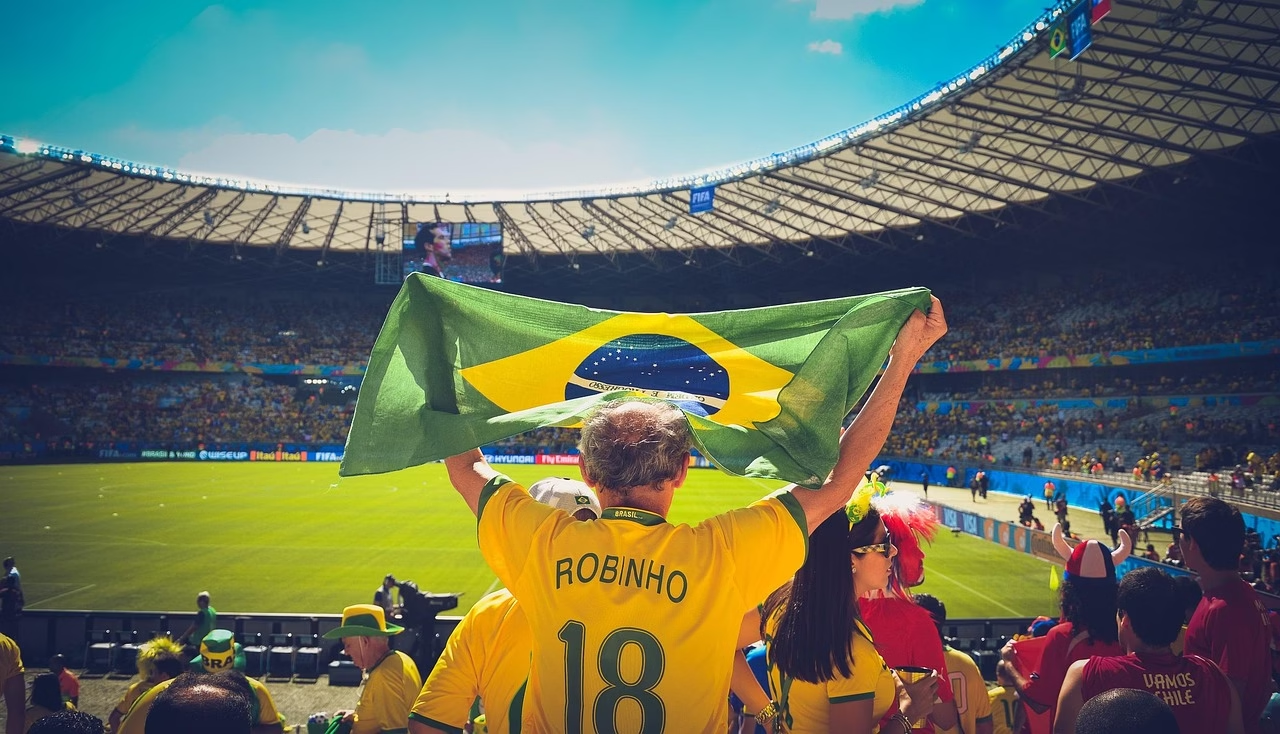
While the Chinese men’s national soccer team failed to qualify for the 2022 FIFA World Cup in Qatar, millions of fans across China have remained deeply engaged with the tournament, finding alternative ways to participate in the global spectacle. Through a combination of individual hero-worship, fascination with officiating, and the massive consumption of tournament-related media, Chinese supporters are proving that national absence does not equate to disinterest.
The Context of Absence
China has historically struggled to find a foothold on the global stage, having qualified for the World Cup only once in 2002. Despite significant state-led investment and the rapid growth of the Chinese Super League over the last decade, the men’s squad currently ranks outside the top tier of international football.
This recurring absence has created a unique cultural phenomenon where Chinese fans adopt “surrogate” teams or focus on individual icons. The lack of a home-country narrative allows supporters to detach from the pressure of national pride and instead focus on the technical artistry of the game.
The Rise of Surrogate Fandom
For many Chinese enthusiasts, the tournament has become a stage for personal preference rather than patriotic duty. Lionel Messi, in particular, has seen his popularity in China surge, with social media platforms like Weibo flooded with tributes and analysis of his performances.
This trend extends beyond star players. Chinese netizens have frequently turned their focus to unconventional subjects, such as the performance of international referees. In recent weeks, discussions surrounding officiating decisions have dominated Chinese sports forums, highlighting a shift toward analytical, rather than purely partisan, viewership.
Economic and Cultural Impact
The absence of the Chinese team has not dampened the economic impact of the tournament on the nation. Chinese companies were among the top sponsors for the Qatar World Cup, contributing roughly $1.4 billion in sponsorship revenue, according to data from GlobalData.
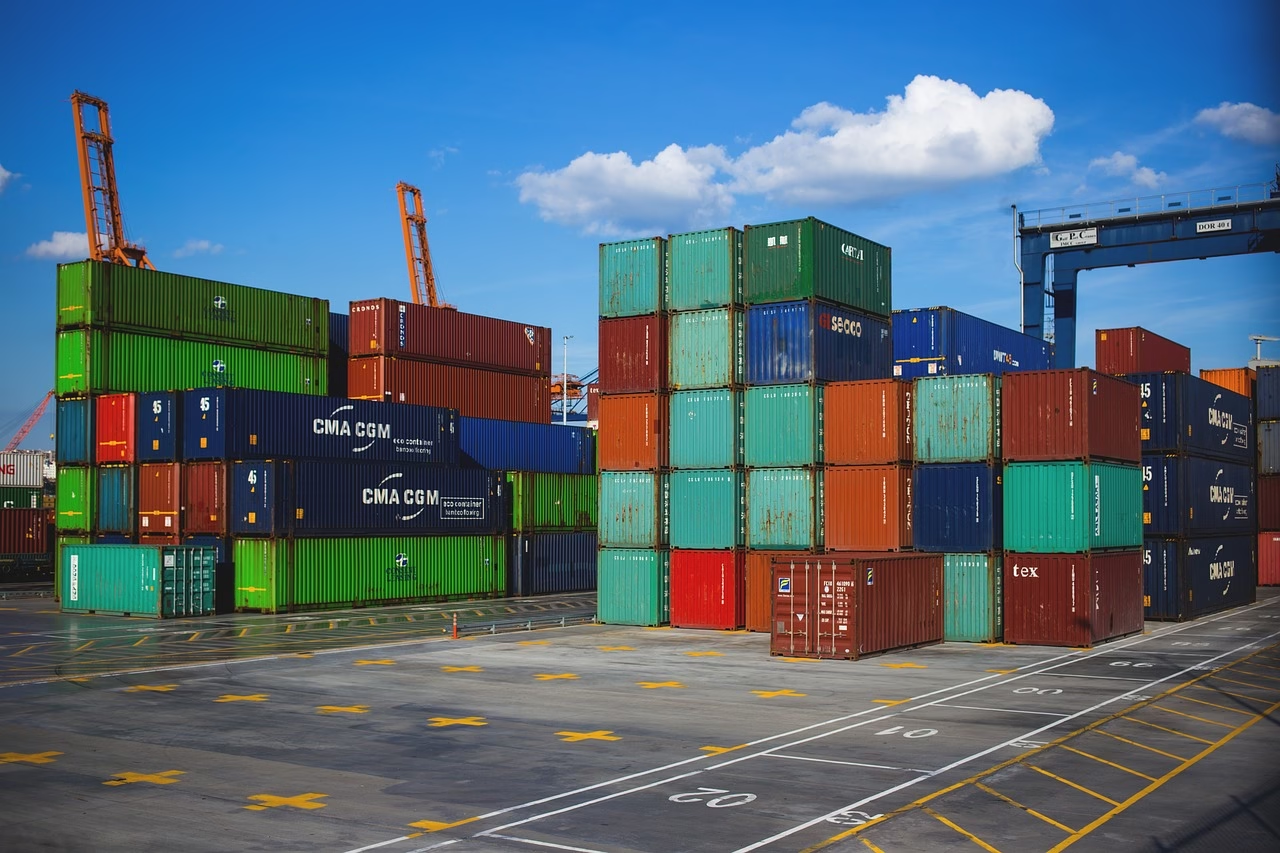
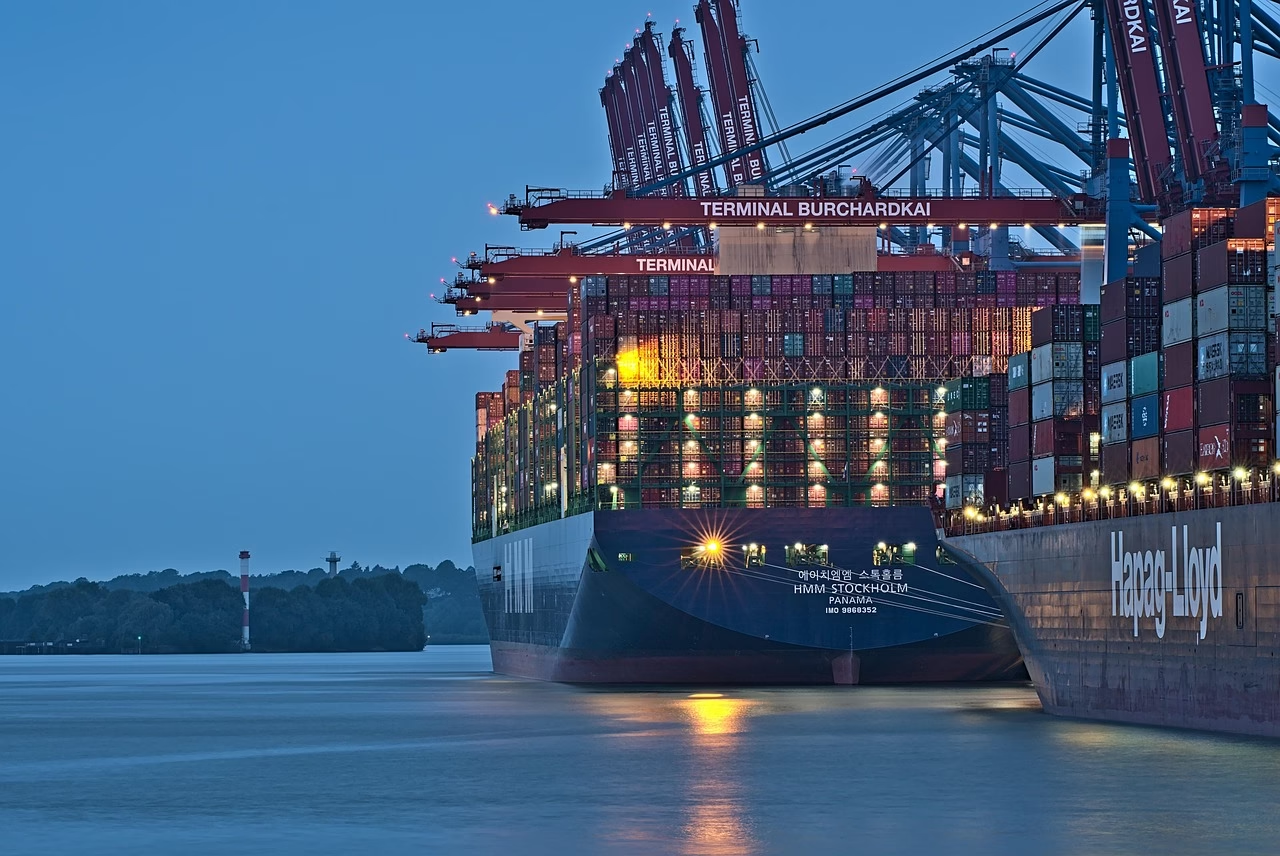
This commercial dominance ensures that even without a team on the field, the “China brand” remains visible throughout every match. The logistical and manufacturing sectors in China also saw a surge in demand, as local factories produced everything from tournament jerseys to official merchandise shipped to Qatar.
Industry Implications
The sustained interest in the World Cup suggests that the Chinese market remains a critical pillar for global football, regardless of the national team’s performance. For international broadcasters and stakeholders, this indicates that engagement is driven by the quality of the content and the charisma of global superstars.
Looking ahead, the focus will shift to whether the Chinese Football Association can leverage this high level of grassroots interest to reform domestic youth development programs. Observers will be watching to see if the next four-year cycle brings substantive changes to player training or if the trend of surrogate fandom will continue to define the Chinese experience of the sport.
























Leave a Reply