


Diplomatic Breakthrough Signals Potential End to Hostilities
Residents across Tehran expressed a mixture of relief and skepticism this week following the announcement of an initial framework agreement between the United States and Iran aimed at ending years of military escalation. The agreement, brokered through indirect diplomatic channels, marks the first significant step toward de-escalation since regional tensions reached a breaking point earlier this year.
Historical Context of Tensions
The geopolitical relationship between Washington and Tehran has been defined by decades of sanctions, proxy conflicts, and severed diplomatic ties. Recent months saw a sharp increase in military posturing, which significantly impacted the Iranian economy and heightened fears of a broader regional conflict among citizens.
The Pulse of the Capital
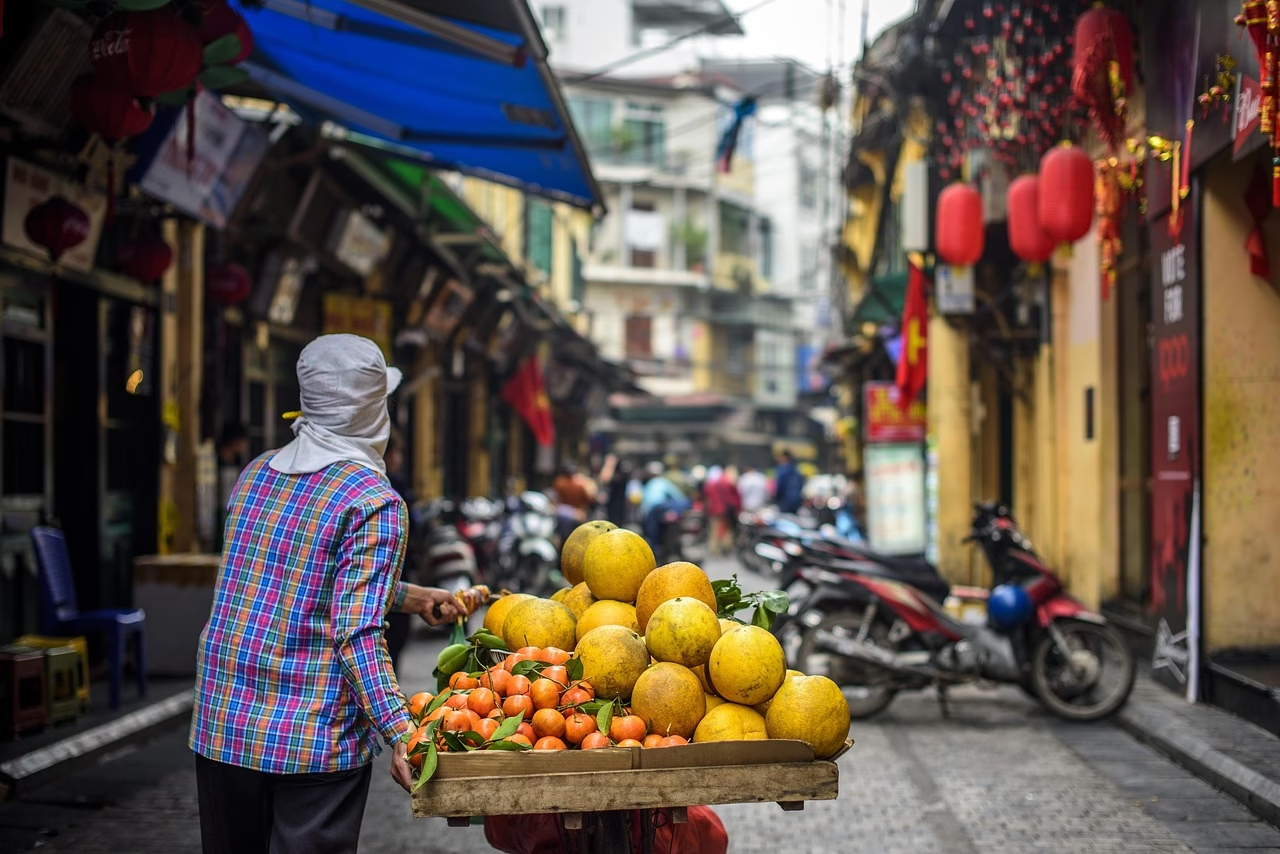
In the bustling markets of central Tehran, the news has dominated conversation, though citizens remain wary of the implementation process. While many view the potential for peace as a long-awaited economic lifeline, others question whether the agreement will yield tangible improvements in their daily lives.
“We have heard promises before, but this feels different because the pressure has become unsustainable for everyone,” said one local shopkeeper who requested anonymity. “If this brings stability, it is the best news we have had in a decade.”
Expert Analysis and Economic Realities
International policy experts suggest the deal is as much a response to domestic economic fatigue as it is to international pressure. According to data from the World Bank, inflation rates in Iran have remained in the triple digits, severely eroding the purchasing power of the middle class.
“This is a pragmatic pivot for both administrations,” noted Dr. Elena Rossi, a senior analyst at the Global Security Institute. “Both sides recognize that the cost of continued confrontation now outweighs the potential benefits of further brinkmanship.”
Long-term Implications
For the average resident, the immediate focus remains on the potential lifting of trade restrictions that have hindered the import of essential goods, including medicine and technology. Businesses are watching the exchange rates closely, as the prospect of renewed diplomatic channels has already begun to stabilize the rial in informal currency markets.
As the framework moves from the negotiating table to potential implementation, observers will be looking for signs of verifiable compliance from both capitals. The coming weeks will prove critical, as both nations navigate the complex domestic political hurdles required to solidify a lasting peace agreement.



















Leave a Reply