


The Appointment Process
President Donald Trump announced this week his intention to appoint James M. McDonald, one of his personal defense attorneys, to serve as the United States Attorney for the Southern District of New York (SDNY). The nomination follows the departure of the current office head, who was tapped earlier this week to transition into the role of Director of National Intelligence. This appointment places a key member of the President’s legal inner circle at the helm of one of the nation’s most prestigious and independent federal prosecutor offices.
Historical Context of the SDNY
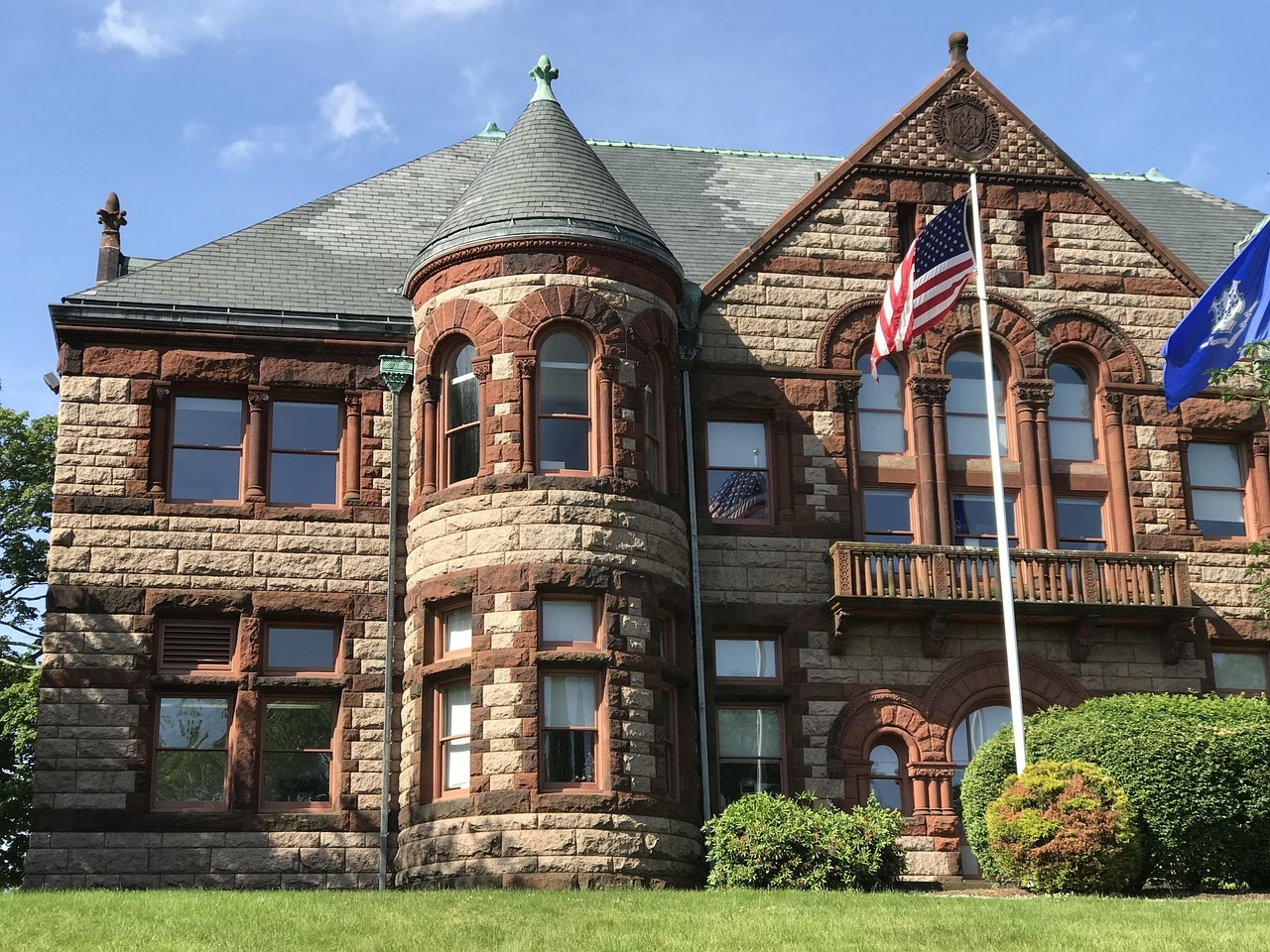
The Southern District of New York, headquartered in Manhattan, holds a reputation as the “Sovereign District” due to its historical autonomy and its focus on high-profile white-collar crime, terrorism cases, and public corruption. Historically, the U.S. Attorney for this district has operated with significant independence from the Department of Justice in Washington, D.C. Past appointees have often been selected from within the ranks of the office itself or from highly seasoned federal prosecutor backgrounds, making this choice particularly notable for its deviation from traditional appointment protocols.
Legal and Political Implications
Legal analysts suggest that placing a personal attorney in this position could fundamentally shift the operational focus of the office. The SDNY manages a vast caseload that includes major financial fraud investigations, international money laundering, and complex cases involving political figures. By appointing a lawyer who has defended the President, the administration signals a potential shift in how the office approaches investigations that may intersect with executive interests.
Expert Perspectives
Former federal prosecutors have expressed concerns regarding the preservation of the office’s institutional independence. According to data from the Department of Justice, the SDNY has historically maintained a high conviction rate in complex financial crimes, a track record that relies heavily on the perceived impartiality of its leadership. Experts argue that the credibility of the office’s future litigation could depend on how McDonald balances his past professional loyalties with the statutory duties required of a federal prosecutor.
The Road Ahead
The nomination now moves to the Senate for confirmation, where lawmakers are expected to scrutinize McDonald’s legal career and his ability to maintain the independence of the prosecutorial role. The confirmation hearings will likely focus on his commitment to existing office protocols and his approach to investigations involving current or former government officials. Industry observers will be watching closely to see if this appointment leads to a restructuring of senior staff within the Manhattan office or if it signals a broader change in how federal law enforcement priorities are set during the remainder of the presidential term.

















Leave a Reply