


A Monumental Pest
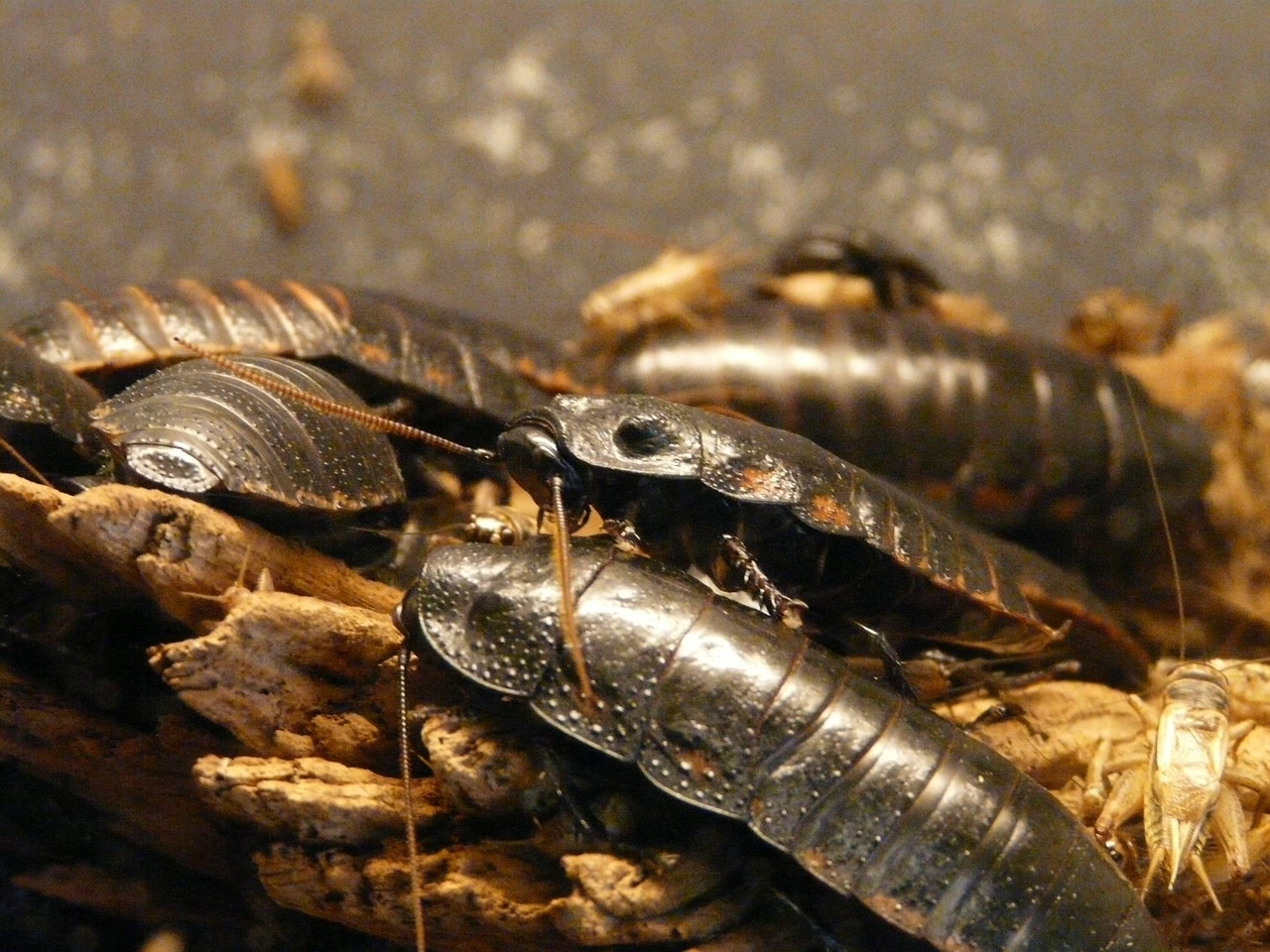
In the quiet town of Ozu, located in the Ehime Prefecture of Japan, local tourism officials recently unveiled a massive, hyper-realistic statue of a cockroach, transforming a common household pest into a viral sensation that has drawn thousands of visitors since its installation late last month. The project, commissioned by the Ozu Tourism Association, serves as the centerpiece of a quirky marketing campaign designed to revitalize the region’s declining foot traffic by embracing the unconventional and the surreal.
The Context of Niche Tourism
Japan has long utilized ‘yuru-chara’ (mascot culture) to promote regional identity, but the Ozu cockroach represents a pivot toward ‘bizarre tourism’—a growing trend where municipalities leverage oddities to capture the attention of social media users. Historically, Ozu relied on its preserved Meiji-era architecture and river landscapes to attract travelers, but recent data from the Japan National Tourism Organization suggests that smaller, rural towns must increasingly offer ‘Instagrammable’ or unique experiences to compete with the draw of major urban hubs like Tokyo and Osaka.
Anatomy of a Viral Campaign
The statue, crafted from high-density resin and standing nearly six feet tall, was designed with meticulous attention to biological detail, including iridescent wings and articulated antennae. Local officials report that the decision to build the statue stemmed from a desire to spark curiosity rather than traditional admiration. By leaning into the discomfort often associated with the insect, the town has successfully generated millions of impressions across platforms like X and TikTok.
Dr. Kenji Sato, a consultant in regional development, notes that this strategy relies on the ‘novelty effect.’ According to Sato, when a town defies traditional expectations of beauty or cultural significance, it lowers the barrier for online engagement. The sheer unexpected nature of the exhibit forces users to share the content, effectively crowdsourcing the marketing budget through organic social media reach.
Expert Perspectives on Regional Marketing
Data from the local Chamber of Commerce indicates that hotel bookings in Ozu have risen by 15% in the four weeks following the statue’s debut. While some residents initially expressed skepticism regarding the choice of subject matter, the economic influx has quieted dissent. Retailers near the statue site have reported a sharp increase in sales for ‘insect-themed’ local snacks and souvenirs, proving that the shock value translates into tangible revenue.
However, urban planners warn that relying on gimmicks presents long-term challenges. Maintaining the novelty requires constant evolution, or the location risks becoming a ‘one-hit wonder’ that fades once the initial social media buzz subsides. Sustainability in this sector requires integrating these attractions into a broader narrative of the town’s history or natural environment.
Future Implications for Rural Tourism
As Ozu looks toward the next fiscal quarter, the town plans to expand the exhibit into an interactive educational trail about local entomology, aiming to convert passing curiosity seekers into repeat visitors. Other rural municipalities are now closely monitoring these metrics to determine if they should adopt similar ‘provocative’ branding strategies. Observers should watch for whether this trend triggers a ‘race to the bottom’ where towns compete to build increasingly bizarre monuments, or if it marks a permanent shift toward the gamification of rural Japanese travel.




















Leave a Reply