


The United Nations World Food Programme (WFP) warned this week that millions of people across vulnerable regions are being pushed into acute hunger as a direct result of the escalating conflict involving Iran. As regional hostilities intensify, the disruption of global supply chains and the persistence of elevated oil prices are creating a compounding food security crisis that threatens the most impoverished nations worldwide.
The Economic Ripple Effect
The conflict has triggered significant volatility in international energy markets, with oil prices remaining stubbornly high. Because modern agriculture relies heavily on fossil fuels for transport, fertilizer production, and machinery operation, these price spikes have inflated the cost of staple food items globally.
Developing nations, which already spend a disproportionate amount of their national budgets on food imports, are finding it increasingly difficult to secure basic supplies. The WFP notes that when fuel costs rise, the cost of delivering humanitarian aid also skyrockets, effectively reducing the amount of food that can reach those in desperate need.
Humanitarian Impact and Supply Chain Disruptions
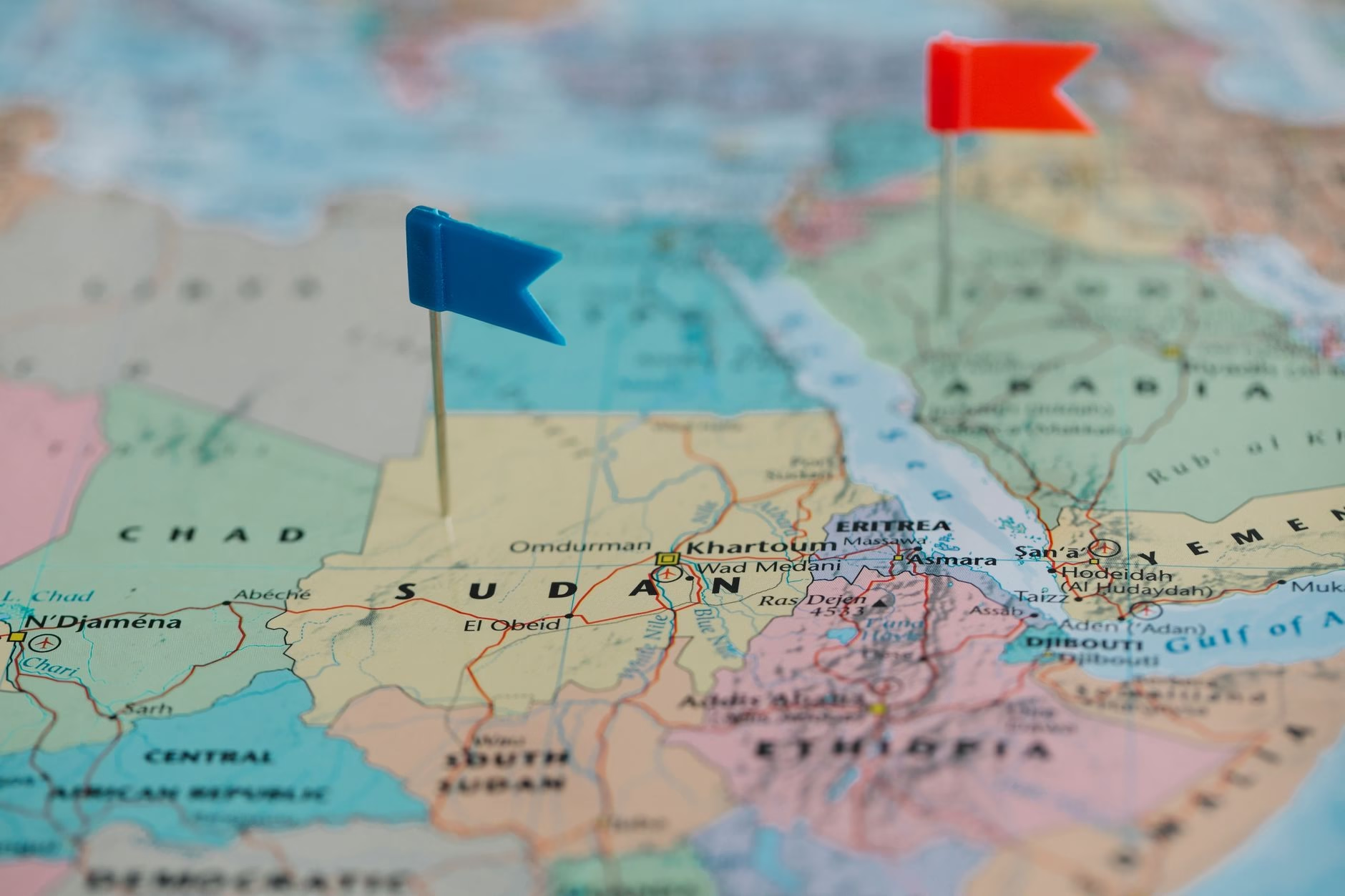
The instability in the Middle East has disrupted key maritime trade routes, forcing shipping companies to reroute vessels and increasing insurance premiums. These logistical challenges have slowed the delivery of essential grain, cooking oil, and medical supplies to regions already grappling with pre-existing climate shocks and economic downturns.
According to recent data from the Food and Agriculture Organization (FAO), global food prices remain sensitive to geopolitical tensions. When major producers or transit hubs in the Middle East are threatened, the ripple effect is felt in markets from sub-Saharan Africa to Southeast Asia.
Expert Perspectives on Global Vulnerability
“We are witnessing a dangerous intersection of geopolitical conflict and food insecurity,” says Dr. Elena Vance, a senior economist specializing in global food systems. “When energy prices climb, the entire food supply chain becomes brittle. For a family in a low-income country, a 20 percent increase in fuel costs can mean the difference between two meals a day and none.”
The WFP’s latest reports indicate that the number of people facing “crisis” levels of hunger or worse has reached record highs. Experts warn that if the conflict in Iran leads to a prolonged blockage of the Strait of Hormuz, the resulting spike in energy costs could trigger a secondary wave of food inflation that would be difficult to mitigate through existing relief programs.
Looking Ahead: Future Risks
The primary concern for international observers is the potential for a sustained period of high energy costs that outlasts current humanitarian reserves. Policymakers are now scrambling to secure alternative trade corridors to ensure that food supplies remain insulated from military volatility.
In the coming months, global markets will be closely monitoring oil production levels and the stability of regional shipping lanes. If the conflict shows no signs of de-escalation, the international community may need to significantly increase funding for emergency food assistance to prevent widespread famine in the most exposed regions.



















Leave a Reply