


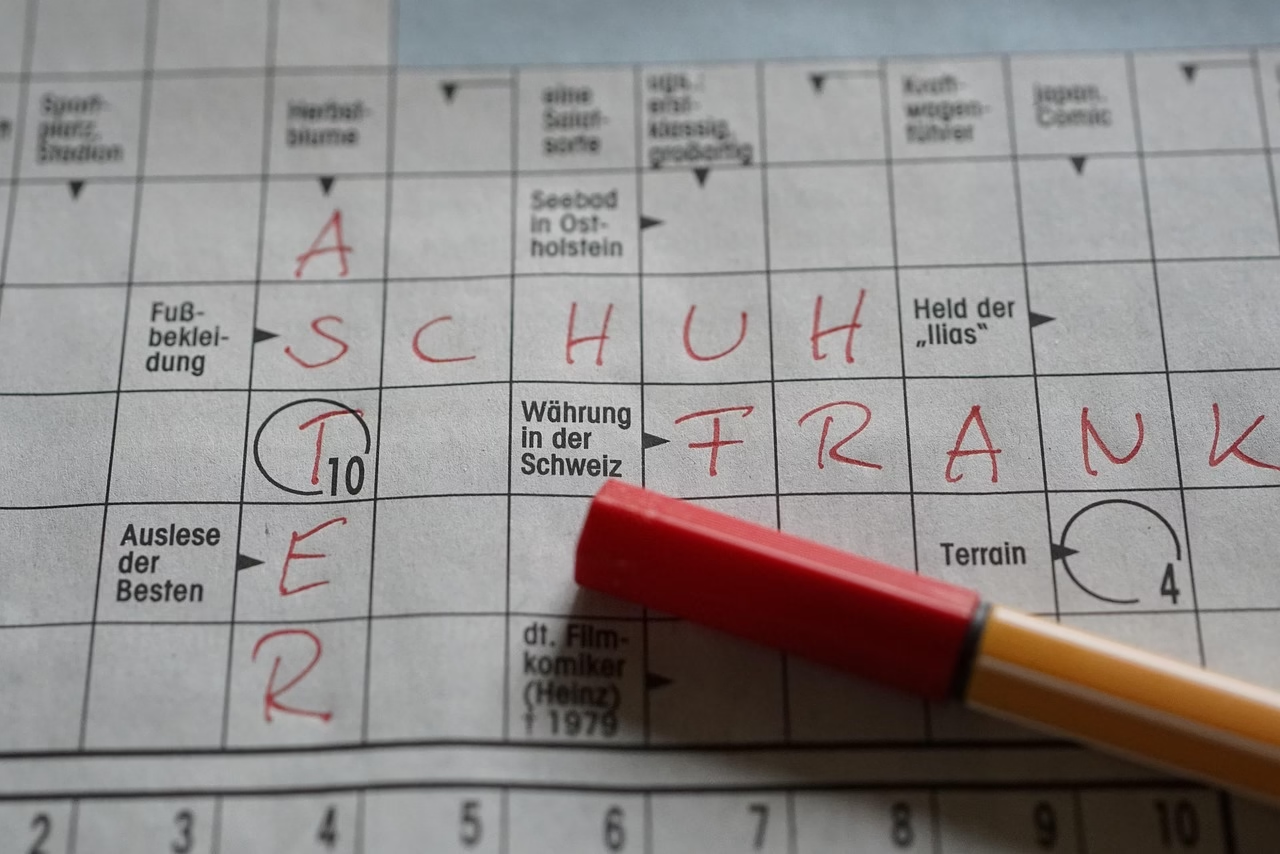
A growing demographic of Gen Z enthusiasts is driving a resurgence in crossword puzzle popularity across the United States in 2024, trading digital doom-scrolling for the tactile satisfaction of pen-and-paper grids. Driven by a desire for cognitive engagement and a reprieve from algorithmic content, young adults are increasingly turning to daily word games as a cornerstone of their morning routines.
The Evolution of a Century-Old Pastime
The crossword puzzle has served as a staple of American journalism since Arthur Wynne published the first ‘word-cross’ in the New York World in 1913. For decades, the pastime remained largely the domain of print newspaper readers, characterized by a leisurely pace and a specific set of cultural knowledge.
The digital transformation of the crossword, spearheaded by the New York Times Games platform, fundamentally altered this landscape. By gamifying the experience with streaks, leaderboards, and mobile accessibility, publishers successfully lowered the barrier to entry for younger generations who prioritize instant feedback and social connectivity.
The Psychology of the Grid
Industry analysts point to a ‘slow-living’ trend as a primary driver for the crossword’s modern appeal. As digital burnout reaches record levels, the deliberate, low-stakes challenge of a puzzle offers a rare opportunity for focused, single-tasking.
Dr. Elena Rossi, a cognitive psychologist, notes that the crossword provides a ‘Goldilocks’ level of stimulation. It offers enough difficulty to trigger the brain’s reward system through small wins, yet remains structured enough to reduce the anxiety often associated with open-ended digital environments.
Data and Cultural Shift
Data from the New York Times reveals that the median age of its digital puzzle subscribers has trended downward significantly over the past five years. Social media platforms, particularly TikTok and Instagram, have fueled this momentum through ‘puzzle-tok’ communities where creators share their completion times and discuss cryptic clues.
This shift has forced publishers to adapt their content. Modern crosswords now frequently feature pop culture references, internet slang, and diverse perspectives that reflect the lived experiences of a younger, more globalized audience, moving away from the exclusionary trivia of the mid-20th century.
Industry Implications
The success of the crossword model suggests a broader shift in media consumption habits. Readers are increasingly willing to pay for high-quality, non-news content that provides utility, mental health benefits, or community-building potential.
For the media industry, the lesson is clear: long-standing intellectual traditions can thrive if they are packaged with modern user experience design. The crossword is no longer just a filler feature on the back page of a newspaper; it is now a primary digital product that drives retention and daily habits.
Looking Ahead
As the puzzle market continues to saturate, industry experts expect to see a rise in niche, community-driven word games and collaborative solving apps. The next frontier for the crossword will likely involve augmented reality integration or AI-driven difficulty adjustments that personalize the grid to each player’s specific vocabulary and knowledge base, further cementing the crossword’s place in the daily lives of the next generation.






















Leave a Reply