


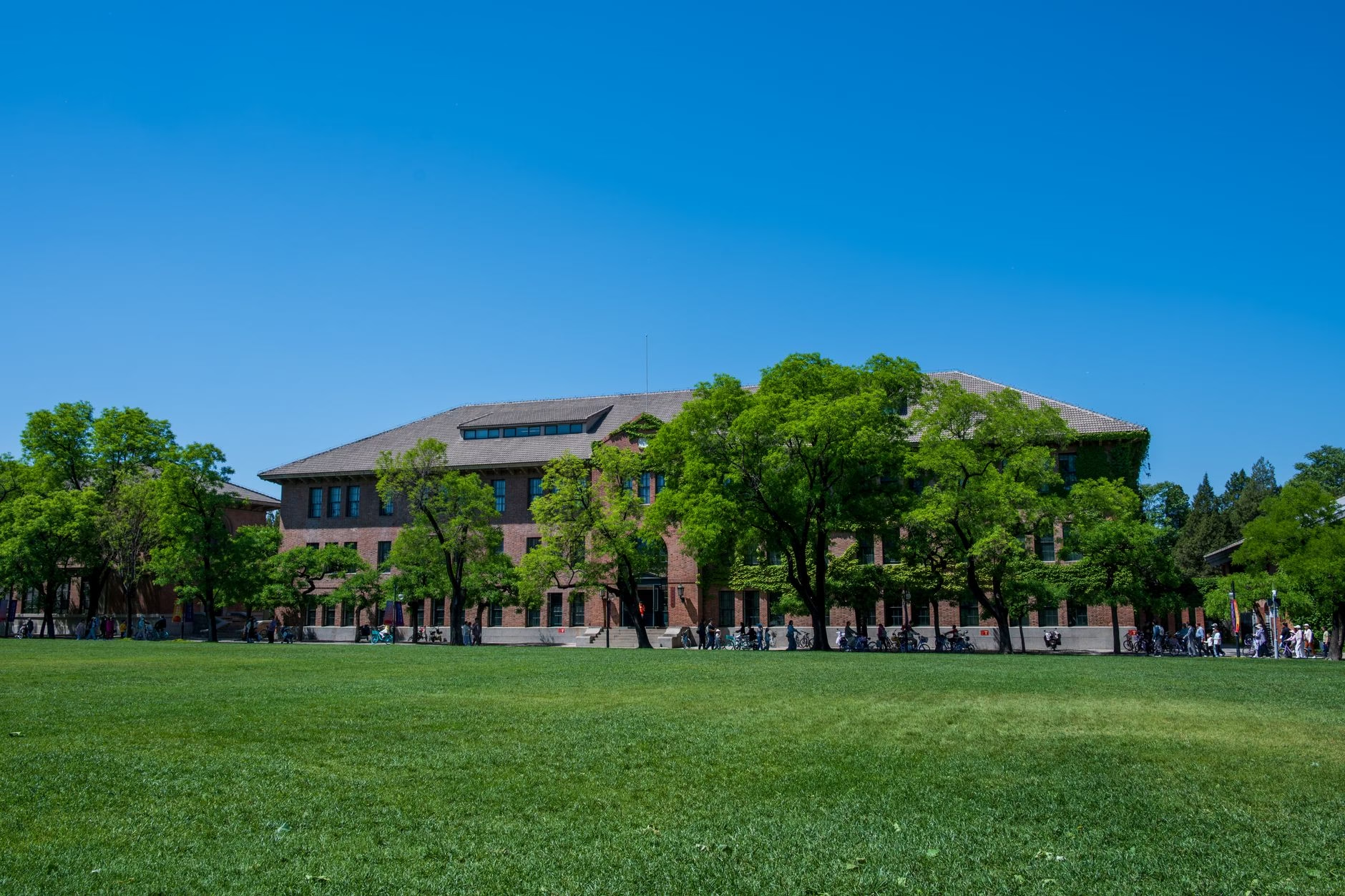
The Higher Education Landscape in Mississippi
Mississippi currently maintains a total of 23 public colleges and universities across the state. This substantial network of higher education institutions serves a diverse student population, offering degrees, vocational training, and community-focused educational programs. However, the sheer number of campuses relative to the state population has sparked significant discussions among policymakers, educational leaders, and taxpayers regarding long-term viability.
The Debate Initiated by Lawmakers
Questions surrounding the future of these institutions gained renewed momentum when Representative Trey Lamar brought the issue into the public spotlight. The central dilemma focuses on whether a state with Mississippi demographic profile and economic resources can effectively and efficiently fund 23 distinct public higher education entities without compromising the quality of education provided at any single campus.
Financial Realities and Resource Allocation
Operating a higher education system requires vast financial resources, including faculty salaries, facility maintenance, technological infrastructure, and student support services. When funding is spread across 23 different public colleges and universities, institutions may face budgetary constraints. Lawmakers and financial analysts frequently debate whether consolidating certain resources or campuses could lead to better outcomes for students and a more efficient use of taxpayer dollars.
Enrollment Trends and Demographic Shifts
Another critical factor influencing the discussion is shifting enrollment patterns. Many regions, particularly in rural areas, are experiencing demographic changes that impact the number of traditional college-aged students enrolling in higher education. As enrollment fluctuates, smaller institutions may struggle to maintain comprehensive academic programs, forcing administrators to evaluate operational models and long-term sustainability.
Balancing Access and Excellence
Proponents of maintaining the current network emphasize that having numerous public colleges and universities ensures geographic accessibility, allowing students from all corners of the state to pursue higher education close to home. Conversely, critics argue that spreading state appropriations too thin might hinder institutions from achieving higher standards of academic excellence and research output. Finding the right balance between widespread access and fiscal responsibility remains a primary challenge for Mississippi leadership.
Looking Ahead for Mississippi Universities
As the conversation surrounding higher education continues to evolve, stakeholders must weigh the cultural and economic importance of each institution against modern financial realities. Whether through structural reforms, increased funding efficiencies, or targeted consolidations, the decisions made in the coming years will significantly shape the future of higher education in Mississippi.






















Leave a Reply