

Introduction To The Upper West Side Owl Habitat
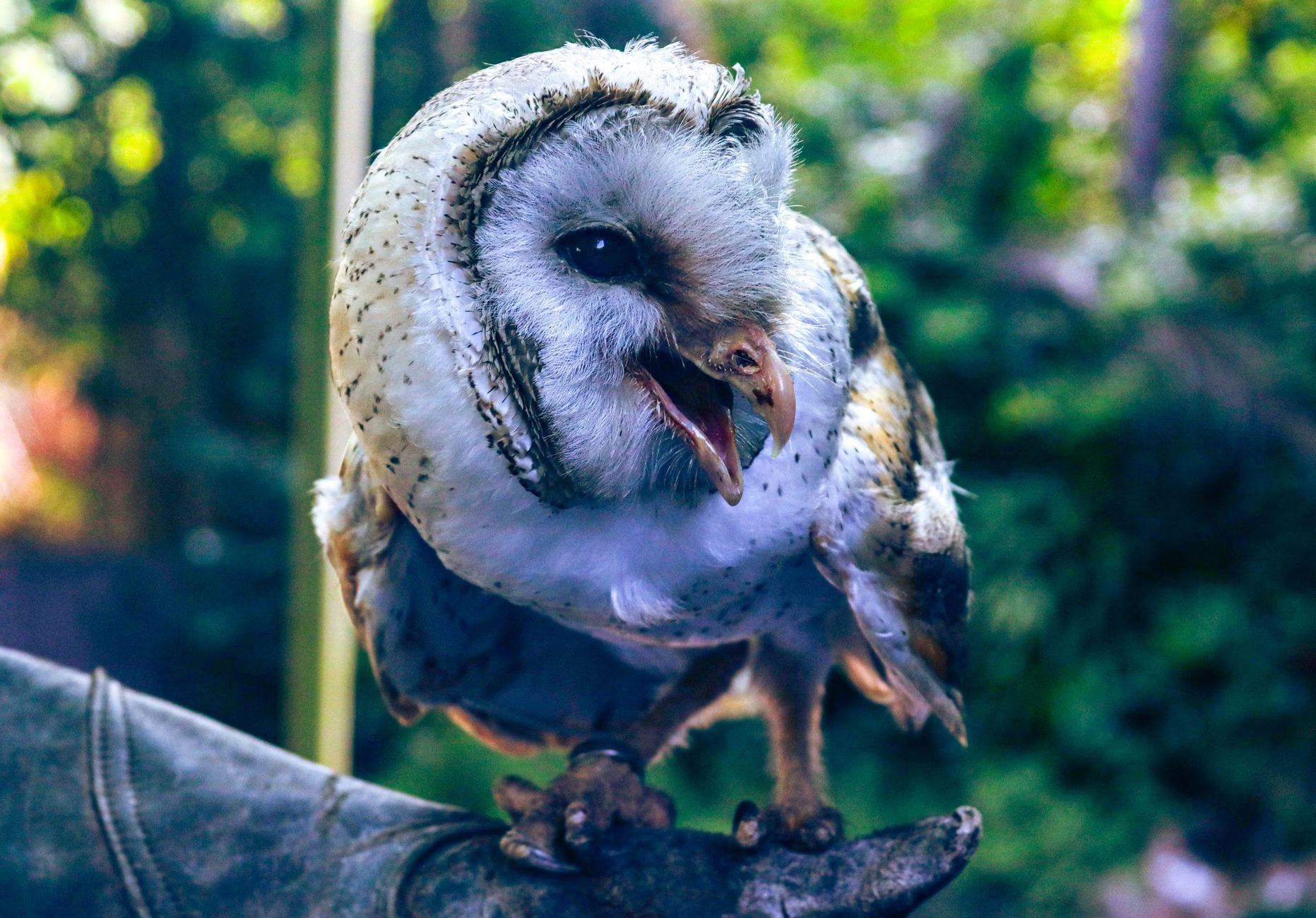
A surprising event recently unfolded in New York City when the protective cover of a wooden water reservoir atop an Upper West Side building in Manhattan was taken away. This specific structure had gained local fame and attention for serving as the unexpected nesting ground for a rare family of barn owls.
The unique urban habitat caught the interest of bird enthusiasts and residents alike, turning the rooftop into a focal point for urban wildlife observation. Barn owls are not commonly seen nesting in the densely populated concrete landscape of Manhattan, making this avian family a special occurrence for the borough.
The Removal Of The Water Tower Roof
Building maintenance and infrastructure requirements often necessitate updates to older rooftop fixtures throughout the city. Unfortunately, the recent operational changes resulted in the removal of the water tank covering that the owls had utilized as their home.
Property management and municipal authorities frequently balance urban infrastructure needs with local ecological awareness. However, the alteration of this specific rooftop site leaves the future of these rare birds uncertain as they search for alternative shelter within the urban environment.
Urban Wildlife And Environmental Impact
The presence of barn owls in Manhattan highlights the adaptability of certain bird species to highly urbanized settings. These predators play a beneficial role in controlling local rodent populations, acting as a natural pest management solution for the neighborhood.
When vital nesting locations are altered or destroyed, local wildlife populations face immediate challenges. Experts in avian behavior note that displacement forces birds to navigate unfamiliar territory, where they encounter new hazards such as vehicle traffic, domestic pets, and limited food supplies.
Community Response And Future Outlook
Local residents and urban conservationists who followed the daily lives of the owls have expressed concern regarding the removal of the protective structure. Many in the community value these rare encounters with wildlife and advocate for better protective measures during essential building repairs.
As the situation develops, observers continue to monitor the area to see if the barn owls will attempt to return or establish a new nesting site nearby. The incident serves as a reminder of the delicate balance between urban development and the preservation of urban nature.














Leave a Reply