

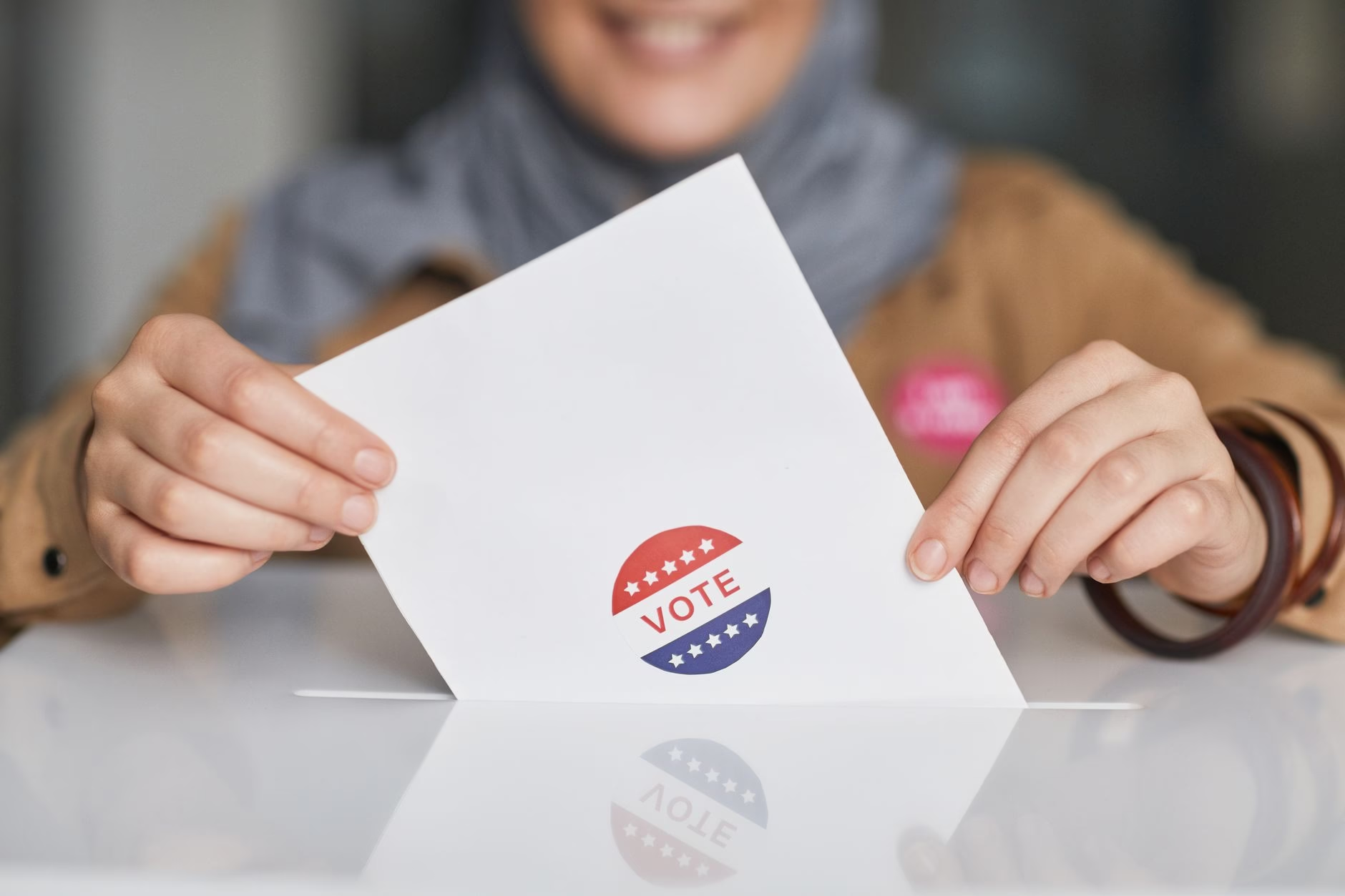
The political landscape of the Middle East faces a potential turning point as citizens head to the polls for a crucial parliamentary vote. This election marks the first time the electorate has gathered to cast ballots since the outbreak of the devastating war in Gaza that began following the October 7, 2023, attacks. The outcome of this democratic exercise carries immense weight, as it could ultimately decide whether Prime Minister Benjamin Netanyahu remains at the helm of the government or if new leadership will take charge.
A Nation at a Crossroads
The timing of this vote underscores the profound domestic and international pressures facing the nation. Nearly three years after the security breaches and subsequent military campaigns reshaped regional dynamics, voters are deeply divided over the current administration’s handling of security, foreign relations, and the ongoing humanitarian and military crises. Campaign discussions have focused heavily on national defense, economic stability, and the long-term strategy for achieving lasting peace and stability in the region.
Assessing the Leadership of Benjamin Netanyahu
Prime Minister Netanyahu, one of the longest-serving leaders in the country’s history, has anchored his campaign on his security credentials and his unwavering stance against perceived regional threats. Supporters credit his administration with decisive military responses and strong diplomatic alliances. However, critics argue that his policies have exacerbated international isolation and failed to secure a sustainable resolution for the hostages and the broader conflict. The electoral contest serves as a direct referendum on his continued stewardship of the state during its most challenging period in recent memory.
The Mechanics of the Parliamentary Vote
The political system requires coalition-building to form a functioning government, meaning that the raw vote count is only the first step in a complex political process. Various political factions, ranging from right-wing nationalist groups to centrist and left-leaning parties, are fiercely competing for seats in the legislature. Once the final tallies are confirmed, the head of state will consult with party leaders to determine who has the best chance of assembling a viable governing coalition. Small shifting alliances could ultimately tip the scales, making the final outcome unpredictable until every ballot is tabulated.
Global Implications and International Watchers
Governments and analysts around the world are closely monitoring the unfolding results. The future direction of foreign policy, regional alliances, and ongoing diplomatic negotiations largely hinges on the composition of the incoming government. International partners are particularly interested in how a potential shift in leadership might influence defense strategies, humanitarian aid efforts, and diplomatic initiatives involving neighboring states and global superpowers.
Looking Ahead to the Final Results
As election day concludes and the lengthy tabulation process begins, citizens and international observers alike await the official outcomes. The decisions made at the ballot box will reverberate far beyond the borders of the nation, setting the trajectory for domestic policy and regional diplomacy for years to come. Whether the electorate chooses continuity under established leadership or opts for a fresh political direction will soon become clear as the final numbers are verified.





















Leave a Reply