


Understanding the Persistent Threat
Regional security analysts note that a complex combination of challenging terrain, diminishing missile defense supplies, and rapidly changing operational methods allows Houthi forces to continue their dangerous offensive campaigns against Saudi Arabia and vital international energy infrastructure.
The Role of Regional Geography
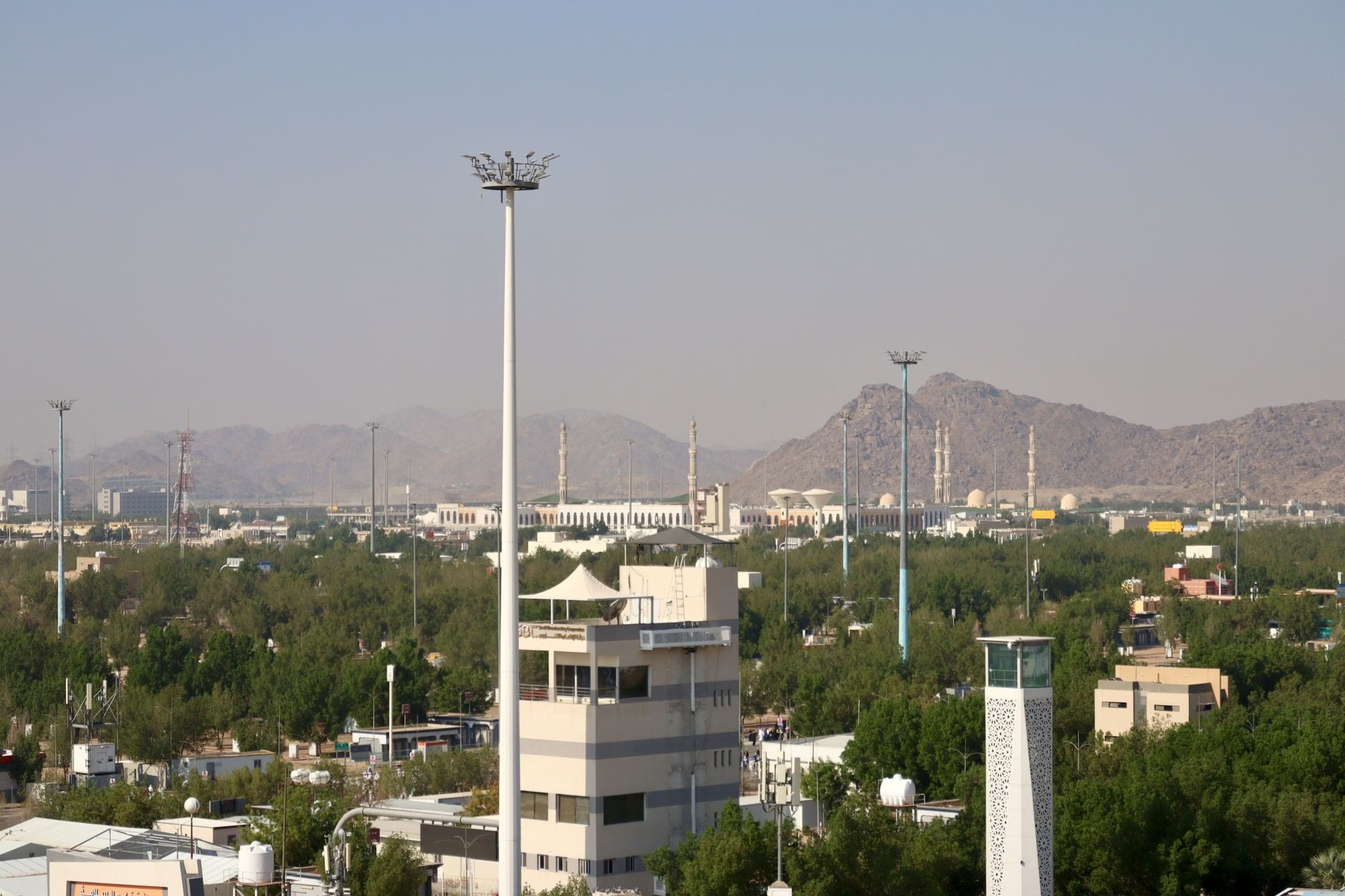
The physical landscape of the region plays a massive role in ongoing defense difficulties. Rugged mountains and vast desert expanses provide numerous natural hiding spots and launch locations for mobile missile and drone units. This makes pre-emptive tracking and neutralization extraordinarily difficult for regional defense forces.
Interceptor Shortages and Defense Pressures
Another critical factor is the dwindling availability of advanced defensive interceptors. Continuous engagement against incoming aerial threats places immense strain on existing military arsenals. Maintaining a steady supply of high-end missile defense systems presents an ongoing logistical hurdle.
Evolving Tactics by Iranian-Backed Forces
Security specialists highlight that the attacking group constantly adapts its military strategies. By employing more sophisticated unmanned aerial vehicles and modern cruise missiles alongside traditional weaponry, the proxy fighters bypass standard defensive measures with increasing frequency.
Implications for Global Energy Markets
Because the region remains central to worldwide petroleum production and distribution, successful strikes directly jeopardize global energy stability. Fluctuations in market confidence often follow these high-profile incidents, threatening economic security well beyond the immediate Middle East region.























Leave a Reply