


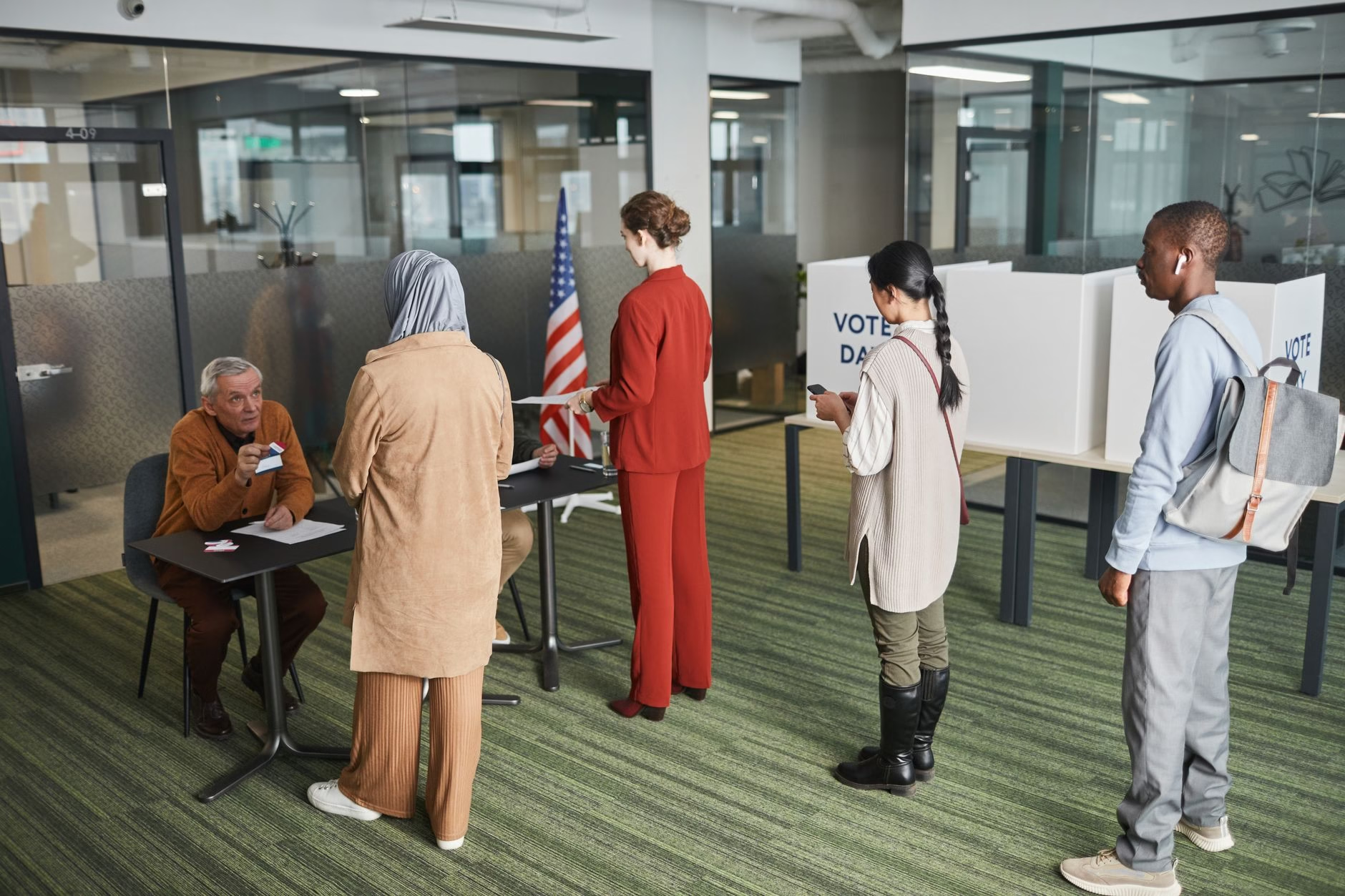
Federal authorities have launched a major enforcement action in California, resulting in criminal charges against more than two dozen foreign nationals accused of unlawfully registering and participating in United States elections. The sweep highlights ongoing federal scrutiny regarding the integrity of voter rolls and the enforcement of laws governing citizenship requirements for the franchise.
Background of the Federal Investigation
The recent arrests stem from coordinated investigations by federal law enforcement agencies operating within the state of California. According to official statements from the Justice Department, the targeted individuals are noncitizens who allegedly bypassed legal restrictions to place themselves on local voter registration lists and cast ballots in prior elections.
Federal statute strictly prohibits individuals who lack United States citizenship from voting in federal contests, and many state and local jurisdictions maintain parallel restrictions. Investigators utilize cross-referencing between immigration databases, state Department of Motor Vehicles records, and voting history logs to identify discrepancies that suggest unlawful registration.
Legal Charges and Potential Penalties
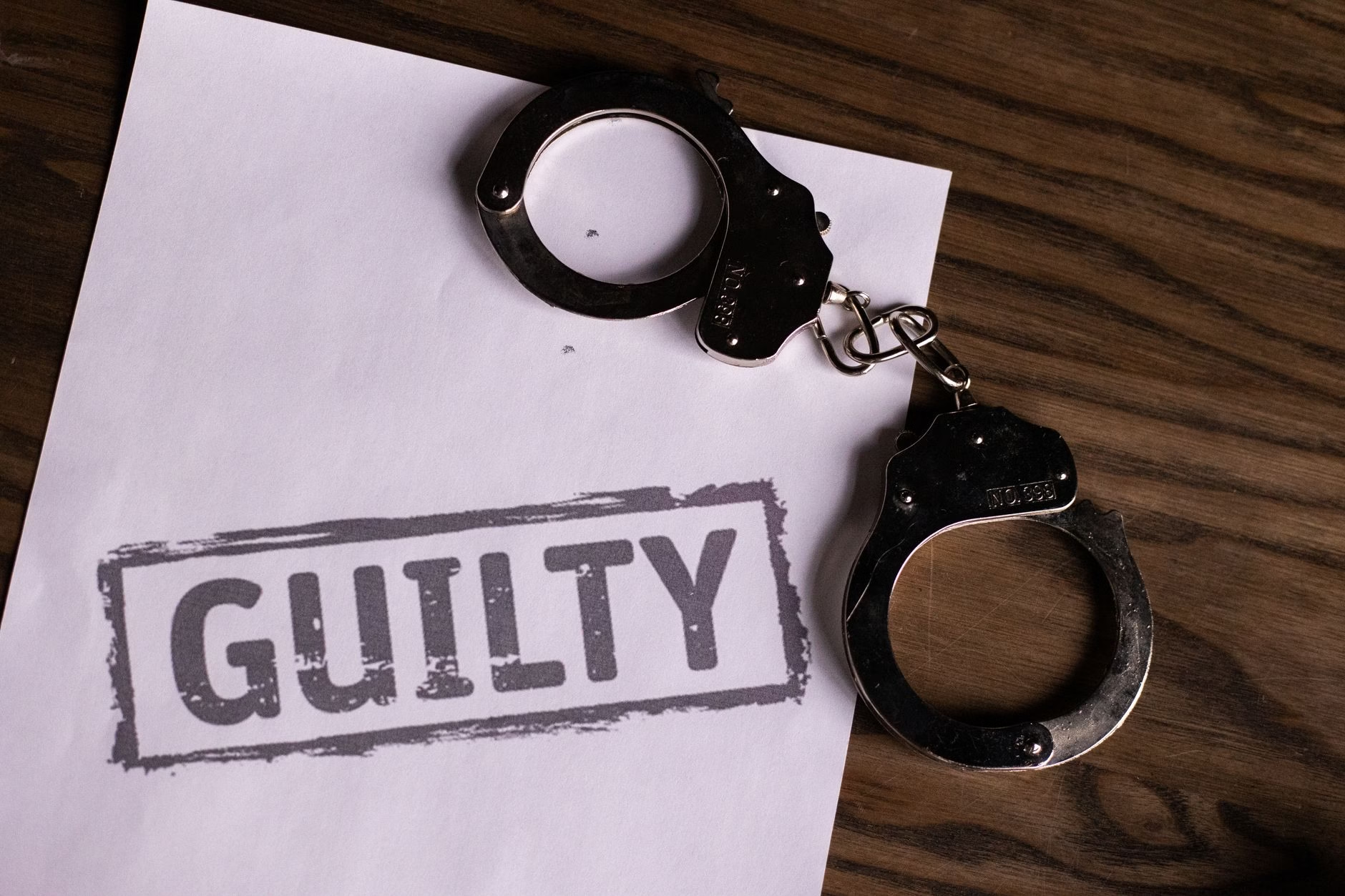
The individuals swept up in the California operation face serious federal charges related to false claims of citizenship and unlawful voting. Legal experts note that voting as a noncitizen carries severe criminal penalties under federal law, including potential imprisonment, substantial financial fines, and subsequent deportation proceedings for those convicted.
Prosecutors involved in the case emphasized that safeguarding the electoral process remains a paramount priority for the Department of Justice. The enforcement sweep is designed to send a clear deterrent message regarding the strict enforcement of election eligibility rules.
Broader Implications for Election Integrity
The California enforcement action arrives amidst heightened national debate concerning voter registration procedures and administrative oversight. Lawmakers and election officials across the political spectrum frequently debate the best methods to maintain accurate voter lists without disenfranchising eligible citizens.
While federal law requires states to maintain clean voter rolls, critics and supporters of current policies differ sharply on how frequently and aggressively purges or audits should be conducted. Proponents of strict enforcement argue that transparent oversight is essential to preserving public trust in democratic outcomes. Meanwhile, voting rights advocates caution against measures that might create unnecessary barriers for newly naturalized citizens or lawfully registered voters.
Next Steps in the Judicial Process
The accused noncitizens are scheduled to make their initial appearances in federal court districts across California as the legal proceedings move forward. Defense attorneys will review the specific evidence gathered by investigators, while federal prosecutors prepare to present their cases to grand juries.
As these cases proceed through the judicial system, they are likely to fuel further discussions among federal and state leaders regarding enhanced security protocols for voter registration and the verification of citizenship status moving forward.



















Leave a Reply