


The Importance of Natural Water Management
Across arid landscapes, landowners and conservationists are looking toward unconventional allies to secure vital water supplies. Water scarcity poses a severe threat to agriculture and wildlife, prompting experts to reevaluate natural hydrological processes. Rather than relying solely on engineered infrastructure, environmental specialists are turning their attention to semi-aquatic rodents known for their remarkable building skills.
Ecosystem Engineers at Work
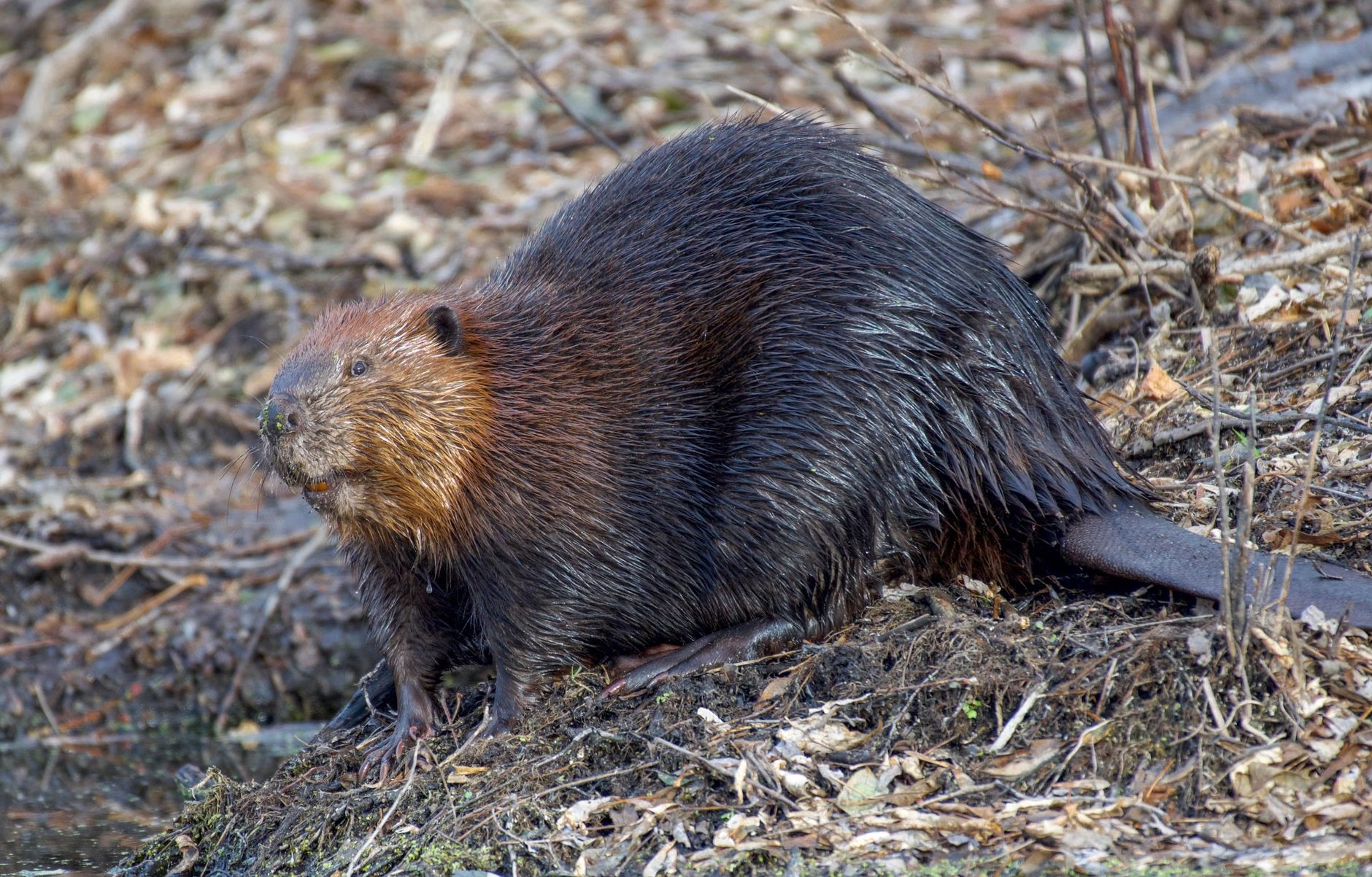
Beavers function as natural architects within their environments. By constructing dams from branches, mud, and stone, these animals alter the flow of streams and small rivers. This instinctive behavior creates ponds and expansive wetlands that slow down the rapid movement of spring runoff and heavy precipitation. The resulting water storage helps stabilize local hydrology, ensuring that moisture remains in the soil long after the rainy season concludes.
Case Study in Wyoming
Practical applications of this conservation strategy are already underway in regions facing severe water challenges. On a family-managed ranch situated in the southwestern portion of Wyoming, agriculturalists have welcomed these animals onto their property. Jackson Ramsay and his family have observed firsthand how the presence of these wildlife engineers transforms dry creek beds into thriving, hydrated riparian zones that support diverse flora and fauna.
Combatting Drought Conditions
Extended dry periods and diminishing snowpacks severely impact regional water availability for farming operations. Natural dams mitigate these effects by raising the local water table. When water pools behind these structures, it gradually infiltrates the surrounding ground, recharging underground aquifers. This slow-release mechanism maintains streamflows during peak summer months when water is scarcest, providing a reliable resource for livestock and irrigation.
Biodiversity and Habitat Renewal
Beyond water retention, the dams created by these animals foster rich ecosystems. The still ponds attract a wide variety of birds, amphibians, and beneficial insects. Vegetation thrives along the expanded banks, offering critical shade and nourishment for native fish populations. This interconnected web of life enhances overall ecological health, making the landscape far more resilient to environmental stressors.
Collaborative Conservation Strategies
Implementing this approach requires careful planning and cooperation between agricultural producers, wildlife agencies, and hydrologists. While the benefits are substantial, managing the proximity of wildlife to human infrastructure requires proactive measures. Solutions such as flow devices can regulate pond levels, preventing unwanted flooding of roads or pastures while maintaining the ecological advantages of the habitat.
Looking Toward a Resilient Future
Integrating wildlife into watershed management represents a sustainable shift in environmental stewardship. By working in tandem with natural processes, communities can bolster their defenses against recurring dry spells. The success seen on modern ranches demonstrates that ecological restoration and agricultural productivity can complement one another effectively.





















Leave a Reply