


Surviving At Sea Against The Odds
A maritime incident recently captured international attention when a cruise passenger was rescued alive after spending nearly an entire day adrift in the open sea. The remarkable ordeal highlights the unpredictable nature of ocean travel and the critical role played by coordinated international search and rescue operations.
The Incident Unfolds
The situation began when a 44-year-old woman went overboard from a vessel operated by Royal Caribbean. Such events instantly trigger extensive emergency protocols, mobilizing maritime authorities and nearby watercraft to scour vast expanses of the ocean in search of the missing individual. Time is always of the essence in these high-stakes scenarios, as survival rates diminish significantly with each passing hour due to exhaustion, dehydration, and environmental exposure.
The Rescue Operation
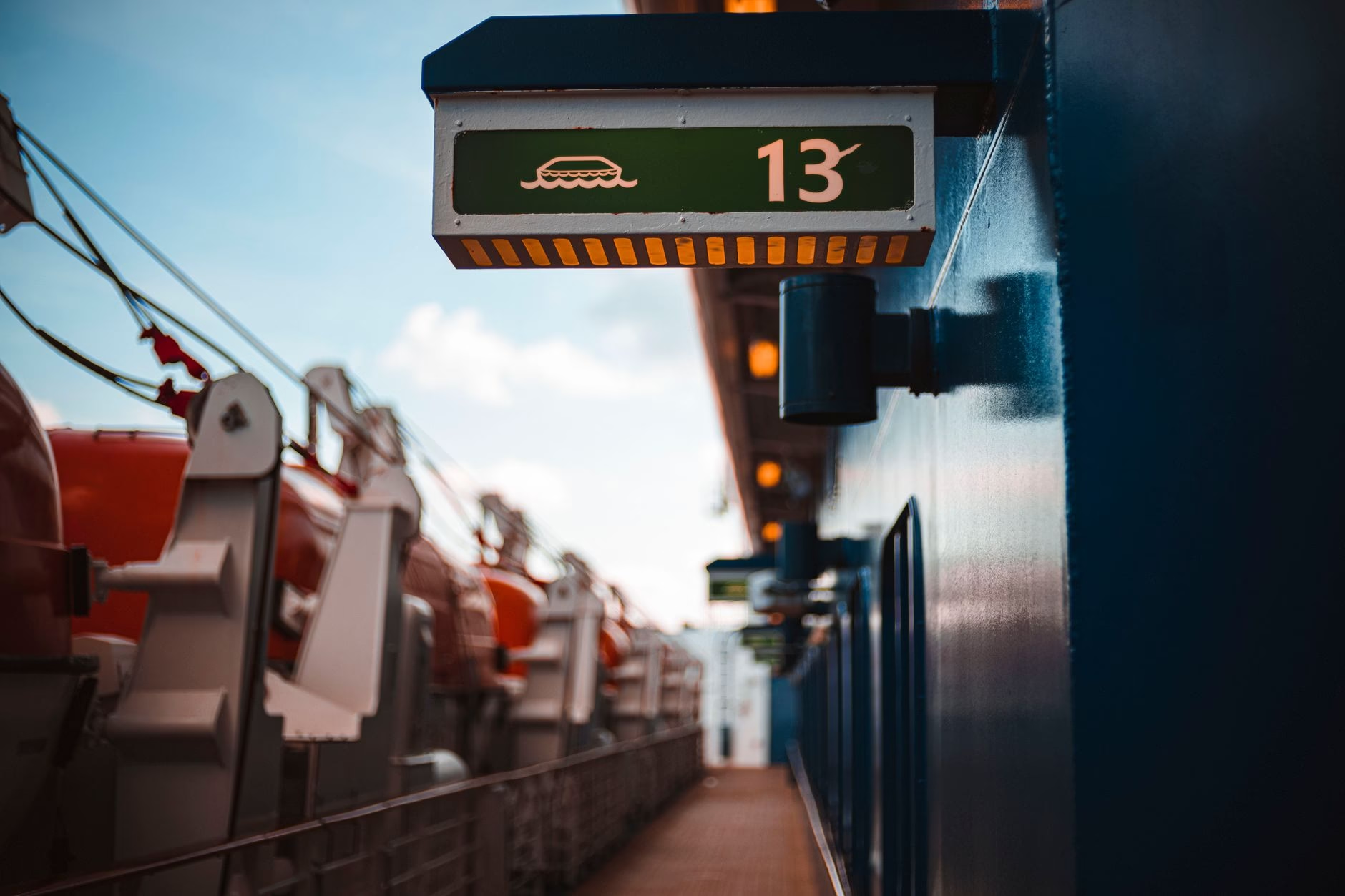
Following hours of intense searching, a breakthrough occurred when a commercial cargo ship participating in the coordinated rescue effort spotted the missing individual. According to reports from the Hellenic Coast Guard, the woman was discovered conscious while actively floating inside a lifebuoy. This essential flotation device undoubtedly played a major role in keeping her afloat throughout the harrowing twenty-hour period.
A Remarkable Survival Story
Surviving twenty hours overboard in the open ocean is an extraordinary feat of endurance. Ocean conditions, varying water temperatures, and fatigue make prolonged survival exceptionally rare. The successful outcome of this search serves as a testament to both the victim’s resilience and the relentless efforts of the maritime rescue teams and participating cargo vessel crew members who refused to abandon the search.
Broader Implications For Maritime Safety
Incidents of this nature invariably prompt renewed discussions regarding passenger safety on major cruise liners. While modern vessels are equipped with advanced tracking technology, security cameras, and rapid response protocols, ocean environments remain inherently hazardous. The prompt collaboration between commercial shipping vessels and official coast guard authorities in this case emphasizes the enduring maritime tradition of rendering aid to anyone in distress at sea.
Conclusion
The miraculous rescue of the Royal Caribbean passenger brings a positive conclusion to what could have easily been a tragic event. As the individual recovers from the ordeal, the maritime community continues to reflect on the importance of vigilance, preparedness, and international cooperation in safeguarding lives on the water.























Leave a Reply